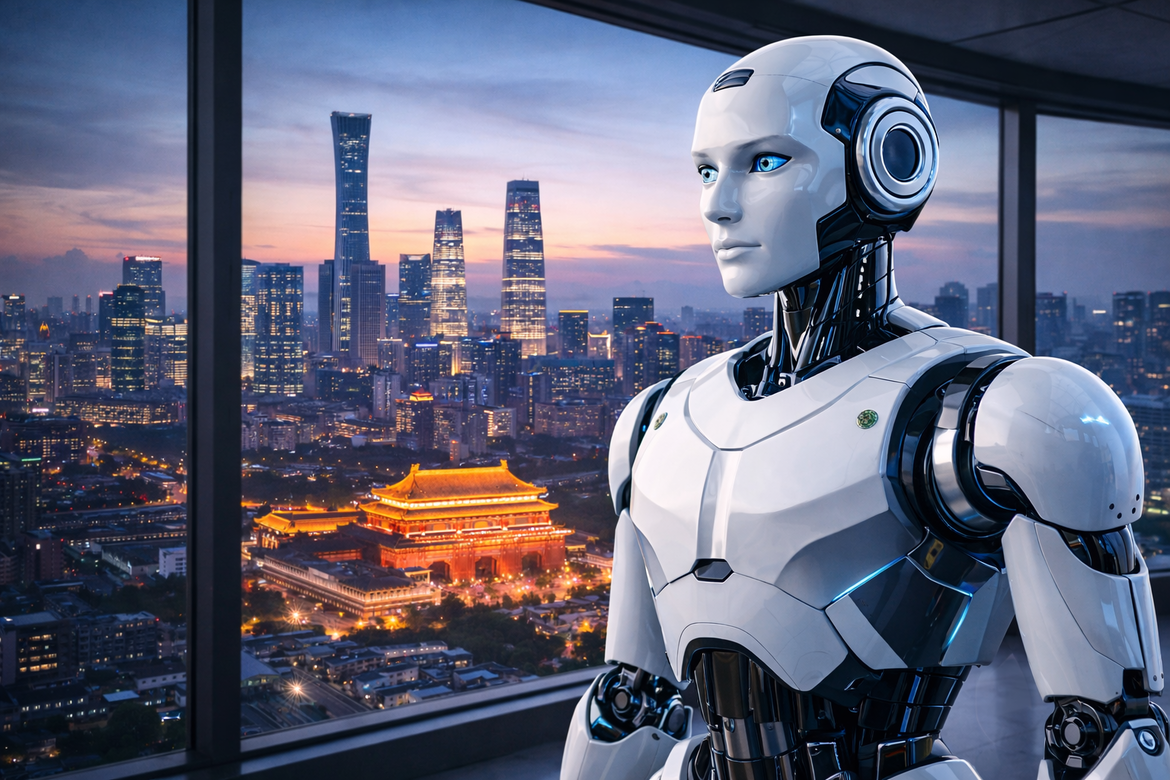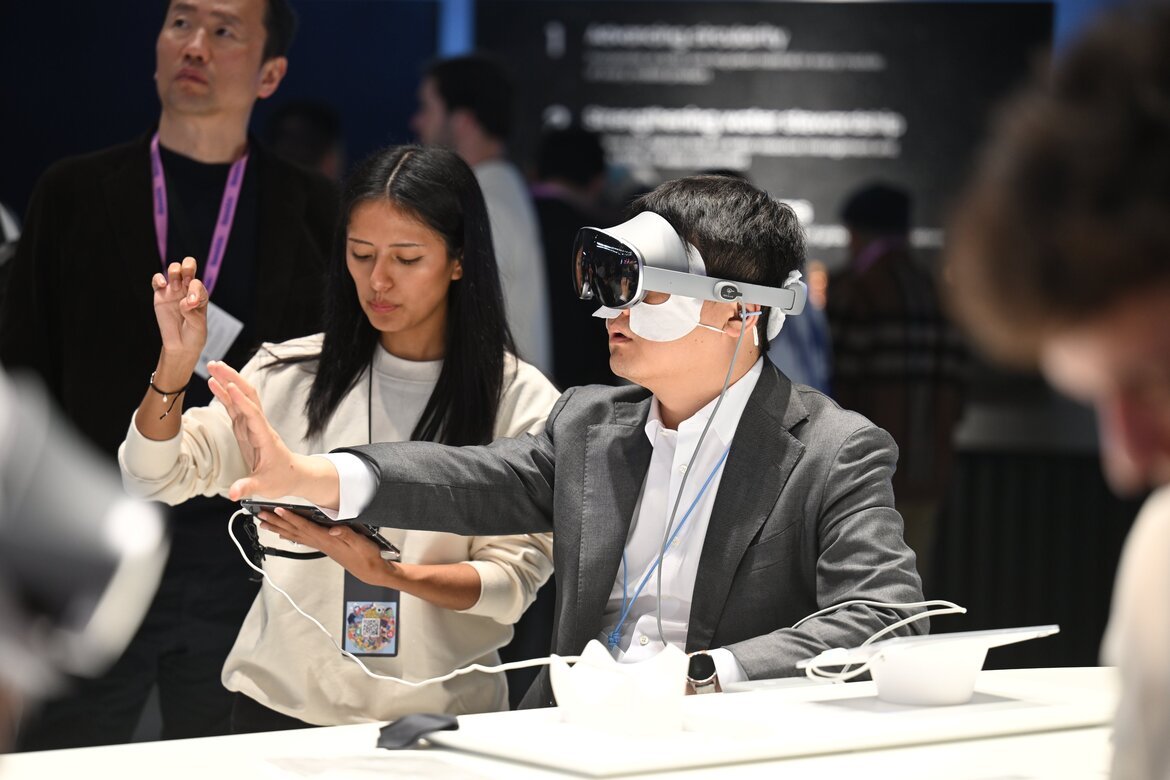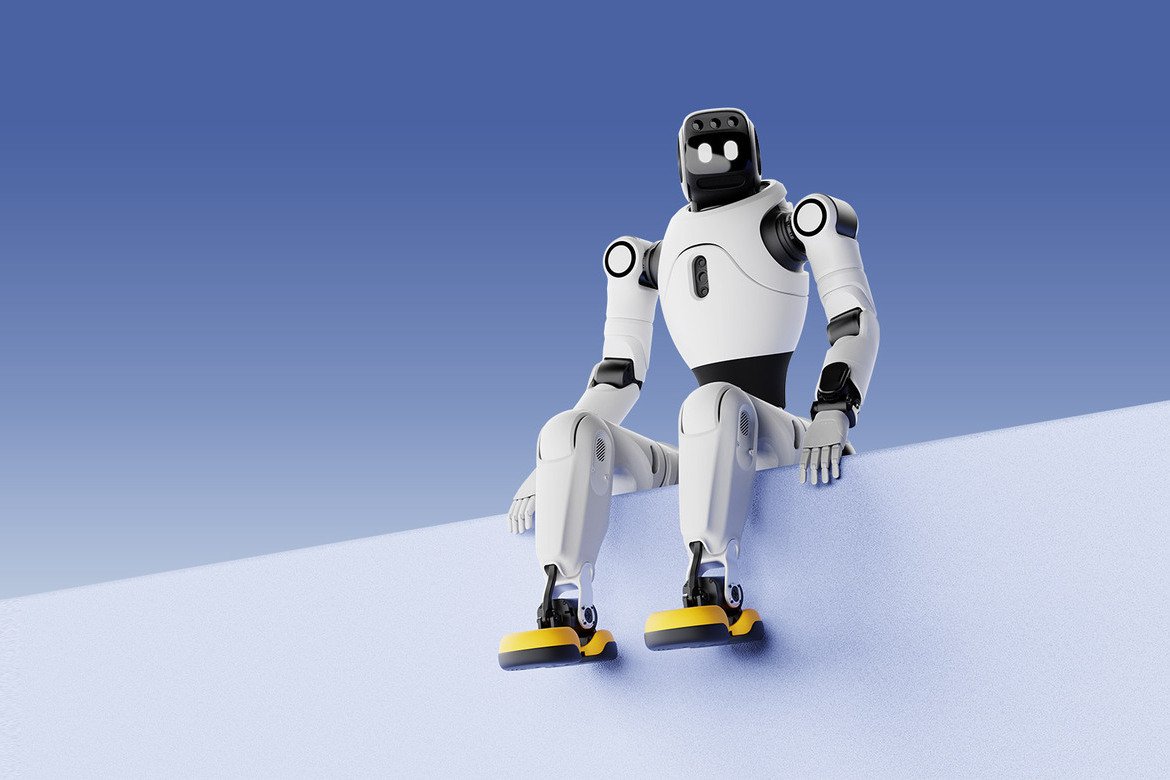
At Mobile World Congress 2026 in Barcelona, humanoid robots were no longer treated as experimental curiosities. Instead, attention shifted toward companies capable of demonstrating commercial traction. Among them was AGIBOT, which used the event to showcase its X2 humanoid robot and emphasize its scale ambitions.
According to industry research firms including IDC and Omdia, AGIBOT ranked first globally in humanoid robot shipments in 2025. The company has also reported revenue exceeding RMB 1 billion, placing it among a small group of robotics firms claiming measurable commercial performance rather than pilot-stage experimentation.
The X2’s presence at MWC reflected that transition from demonstration to deployment.
X2: Motion and Function in Balance
The AGIBOT X2 is part of the company’s X Series, designed to combine advanced motion capability with interactive intelligence. The robot features 25 degrees of freedom and can reach walking speeds of up to 2 meters per second.
On the show floor, the X2 demonstrated stable locomotion and responsive movement, positioning itself between heavy industrial humanoids and lighter entertainment-focused machines.
Rather than emphasizing raw technical specifications alone, AGIBOT framed the X2 as a platform suited for defined operational scenarios. The company has segmented its portfolio into multiple product lines:
- The A Series for presentation and reception roles
- The G Series for factory and precision industrial environments
- The X Series for advanced motion and intelligent interaction
- The D Series quadrupeds for inspection and patrol applications
This structured segmentation signals a shift away from generic humanoid branding toward scenario-driven deployment strategies.
From Prototypes to Revenue Metrics
The humanoid robotics industry has seen dozens of prototypes unveiled over the past two years. However, few companies have disclosed shipment volumes or revenue figures.
AGIBOT’s public positioning around shipment rankings and revenue milestones suggests that scale, rather than spectacle, is becoming a primary differentiator. As more robotics firms move beyond lab environments, investors and enterprise customers are increasingly focused on production capacity and deployment readiness.
Industry data indicates that humanoid robotics remains a small but rapidly expanding segment within the broader robotics market. Commercial viability will depend on reliability, support infrastructure, and cost-effective scaling – not just technical performance.
Robot-as-a-Service Expands Overseas
AGIBOT is also pursuing international expansion through regional partnerships built around a Robot-as-a-Service model. Instead of centralizing global leasing operations, the company works with local partners to manage deployments and service contracts, particularly in Europe.
This approach aligns with a broader industry trend toward service-based robotics adoption. Many customers prefer flexible operational models over large upfront hardware investments, especially as humanoid robots remain a developing technology category.
Localized partnerships can also address regulatory requirements and after-sales support – both critical factors for scaling robotics across different markets.
MWC Signals a Shift in Industry Tone
Mobile World Congress has historically served as a barometer for technology maturity. In 2026, humanoid robotics appeared to enter a new phase where commercial scale and operational readiness overshadowed novelty.
AGIBOT’s X2 demonstration reflected that shift. The company’s messaging centered less on futuristic potential and more on deployment metrics and structured product segmentation.
As the humanoid robotics field matures, the competitive landscape may increasingly be defined by production capacity, service ecosystems, and real-world performance – rather than prototype announcements alone.
For companies seeking to lead the next stage of embodied AI, the challenge is no longer proving that humanoid robots can walk. It is proving that they can work – consistently and at scale.