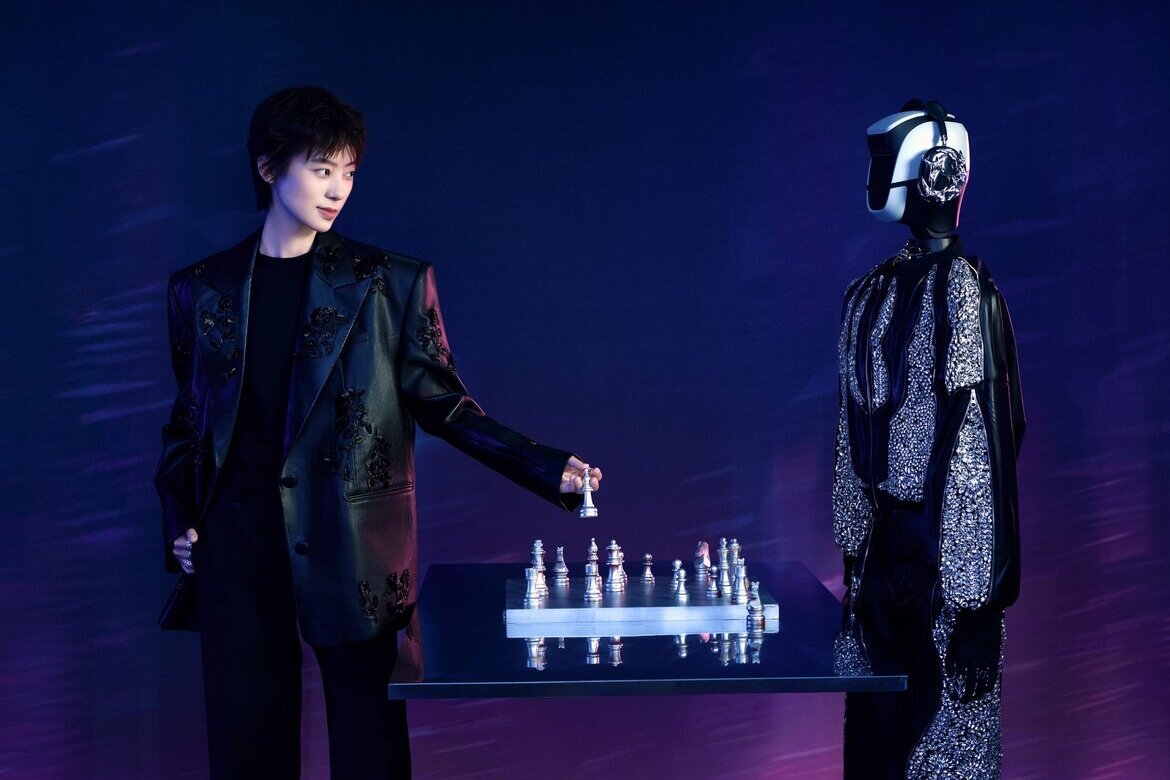
Humanoid robots are beginning to step out of factories and into the spotlight.
Shenzhen-based LimX Dynamics has unveiled its latest humanoid robot, Luna, at a consumer-facing event in China, marking a notable shift in how robotics companies are positioning their machines – not just as industrial tools, but as interactive systems designed for public environments.
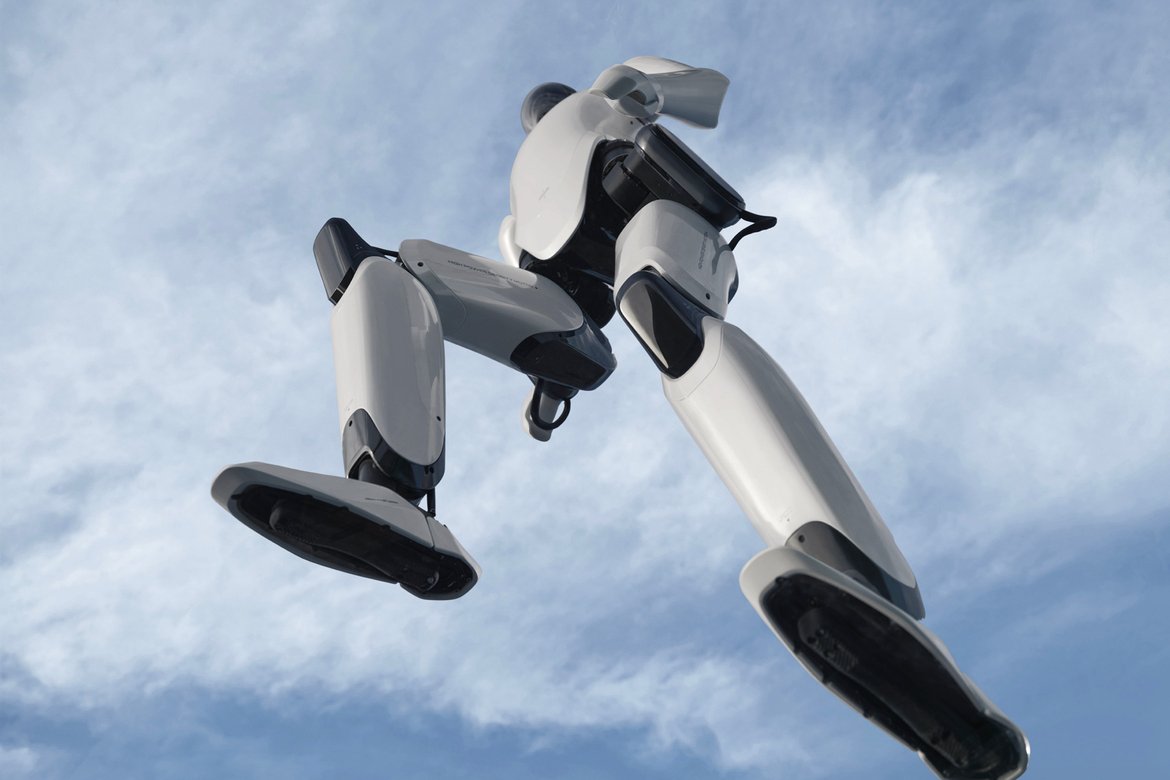
The robot made its debut at the Taobao Influencer Festival, where it performed a catwalk demonstration, showcasing balance, coordination and fluid motion rather than task-specific industrial capabilities.
The choice of venue underscores a broader trend: robotics companies are increasingly targeting applications that involve direct human interaction, from retail and entertainment to hospitality and public services.
From Industrial Platforms to Lifestyle Robots
LimX’s earlier humanoid platform, OLI, was built for industrial use, focusing on durability and operation in demanding environments such as construction sites.
Luna represents a departure from that approach.
With a more refined design and human-like proportions, the robot is intended for environments where appearance, movement and interaction matter as much as functionality. The system features 33 degrees of freedom, enabling more complex motion patterns and smoother walking dynamics.
During its public demonstration, Luna executed a controlled catwalk and an “illusion turn”, a movement designed to test dynamic balance and coordination.
These demonstrations, while not tied to specific industrial tasks, highlight the importance of mobility and expressiveness in robots designed for shared human spaces.
Hardware Meets Human Interaction
Under the surface, Luna builds on the same computing architecture as LimX’s industrial robots.
The system integrates multiple perception technologies, including depth cameras, RGB vision and LiDAR, combined with simultaneous localization and mapping (SLAM) to navigate dynamic environments.
Its software stack is based on ROS 2 and runs on high-performance edge computing hardware, enabling developers to build custom behaviors and applications.
This combination of advanced hardware and flexible software reflects a broader shift in robotics toward platforms that can be adapted for multiple use cases.
Rather than designing robots for a single task, companies are increasingly building general-purpose systems that can operate across different environments with appropriate software layers.
A New Phase for Humanoid Robotics
The unveiling of Luna comes at a time when humanoid robotics is expanding beyond early industrial pilots.
Companies are experimenting with applications that require not only physical capability but also social presence – guiding customers, interacting with audiences or participating in public events.
This shift introduces new challenges.
Robots operating in public spaces must meet higher expectations for safety, reliability and human-like behavior. Movement quality, appearance and interaction design become critical factors in user acceptance.
LimX’s recent funding round suggests that investors are backing this broader vision, betting that humanoid robots will find roles beyond traditional automation.
For now, demonstrations like Luna’s catwalk remain symbolic. But they point to an evolving industry where the success of humanoid robots may depend as much on how they move and interact as on what tasks they perform.