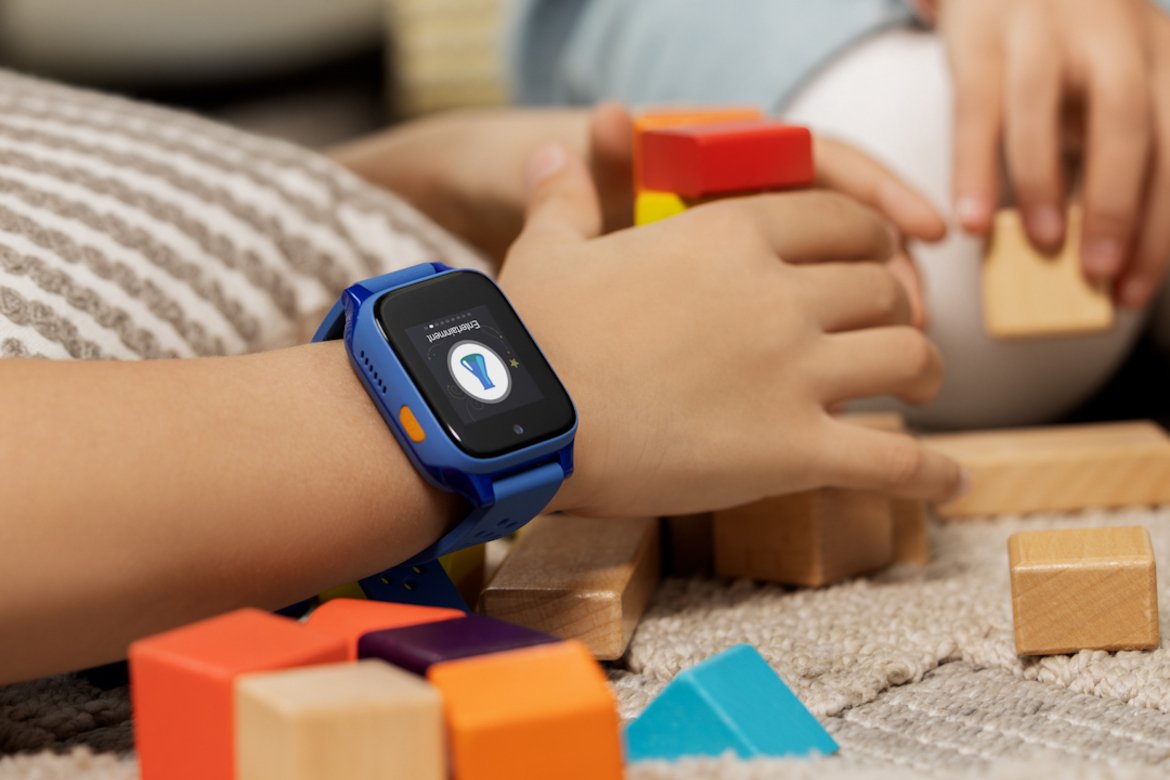
At Mobile World Congress 2026 in Barcelona, TCL presented a concept device that blends wearable technology with home robotics. Called Tbot, the desktop robot is designed to pair with TCL’s children’s smartwatches, acting as both a charging dock and an AI-powered companion.
The concept reflects a broader shift in consumer robotics toward focused, task-specific devices rather than fully autonomous humanoid machines. Instead of building a standalone home robot, TCL is extending the functionality of an existing wearable into a stationary, home-based form.
For now, the Tbot remains a concept with no announced release date or pricing.
Thrilled to introduce TCL Tbot, the world’s first AI desktop companion concept device designed to extend the kids watch experience.
Paired with the TCL Kids Watch MT48, TCL Tbot is designed to continue providing reassuring companionship and assistance even when the watch is… pic.twitter.com/HrFZ1chOpc
— TCL Mobile (@TCLMobileGlobal) March 2, 2026
Extending the Smartwatch Experience Indoors
Children’s smartwatches have become popular for location tracking, communication, and safety monitoring. However, their functionality typically pauses when the watch is removed for charging.
TCL’s idea is to bridge that gap. The Tbot features a magnetic dock that holds and charges the smartwatch when it is not being worn. During that time, the desktop robot takes over certain AI-driven features.
According to TCL, Tbot can handle morning alarms, homework timers, and bedtime routines. The device is positioned as a supportive assistant rather than a surveillance tool, offering reminders and guidance tailored to children.
By maintaining continuity between outdoor and indoor use, TCL aims to create a unified digital experience across environments.
AI Companion Designed for Routine and Learning
Beyond basic alarms and timers, Tbot is designed to act as a conversational learning companion. Children can ask questions and explore topics, while the system provides age-appropriate responses.
At night, the robot can transition into a sleep-support role, offering calming stories or audio to help children wind down. Parents can configure notifications and receive updates, maintaining oversight without constant direct interaction.
TCL emphasizes that AI features would operate with parental permission and regulatory compliance in mind, reflecting increasing scrutiny around children’s data privacy.
Consumer Robotics Moves Toward Targeted Use Cases
The Tbot concept illustrates a growing trend in consumer robotics: devices focused on narrow, clearly defined roles rather than broad household autonomy.
Rather than competing with smart speakers or building full humanoid assistants, TCL is exploring how robotics can complement wearables. The Tbot’s design integrates charging infrastructure with AI interaction, creating a hybrid between dock, assistant, and companion device.
This approach aligns with a wider industry movement where robotics capabilities are embedded into familiar consumer products instead of introduced as entirely new categories.
Concept Stage Highlights Industry Direction
TCL has not confirmed whether Tbot will enter mass production. The device was presented at MWC as a demonstration of the company’s direction in AI-enabled family technology.
Concept products at major trade shows often serve as signals rather than immediate commercial offerings. In this case, TCL is indicating interest in expanding beyond smartphones and wearables into interactive home robotics.
As AI becomes more integrated into everyday devices, companies are experimenting with ways to connect physical hardware with digital services in more seamless ways.
If Tbot reaches the market, it could represent an early example of robotics moving into family-focused, screen-light applications – where the machine’s role is subtle, supportive, and embedded within existing ecosystems.
For now, Tbot remains a prototype. But it underscores how robotics is increasingly intersecting with consumer electronics, particularly in categories centered on education, safety, and home routines.