Waymo has raised $16 billion in a major new investment round, signaling renewed momentum behind autonomous ride-hailing as the company moves to scale operations beyond its early U.S. strongholds. The funding positions Waymo to significantly expand its robotaxi fleet, invest in infrastructure, and accelerate launches in international markets including Europe and Asia.
The round underscores growing confidence that autonomous driving is shifting from long-running pilot programs into a capital-intensive phase of real-world deployment. Waymo said the funding will support vehicle procurement, fleet operations, mapping, safety validation, and continued development of its autonomous driving system.
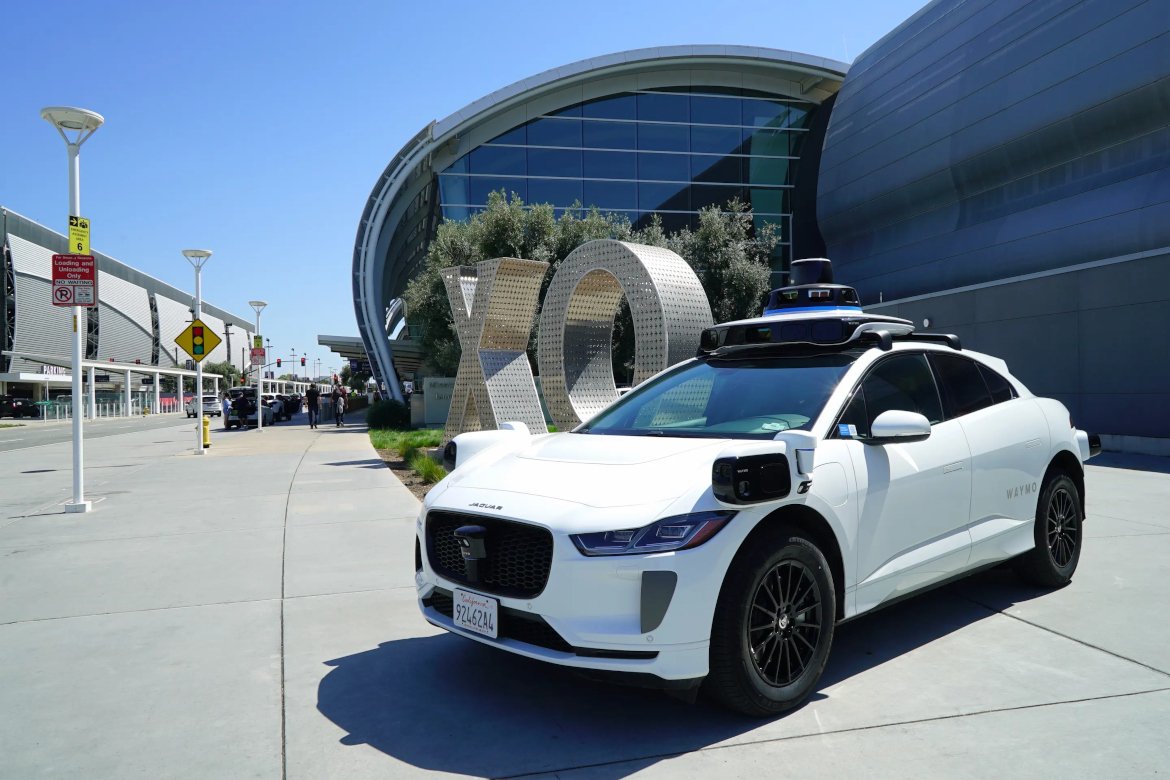
Waymo is widely regarded as the most mature self-driving operator in the market, with fully driverless commercial services already running in Phoenix, San Francisco, and Los Angeles. Riders in these cities can summon autonomous vehicles without a safety driver, marking a milestone that most competitors have yet to reach.
Scaling Fleets and Expanding Globally
A central goal of the new capital is rapid fleet expansion. Waymo plans to add thousands of vehicles over the coming years, increasing ride availability and reducing wait times in existing markets. The company is also preparing for launches in new U.S. cities while laying the groundwork for international deployments.
Executives have pointed to London and Tokyo as priority markets, reflecting a broader strategy to enter dense, regulation-heavy cities where ride-hailing demand is high and public transit integration is critical. These expansions will require close coordination with regulators, city governments, and transportation agencies, as well as localized mapping and safety validation.
Waymo’s approach differs from earlier autonomy hype cycles by focusing on controlled geographic rollouts rather than nationwide launches. The company has emphasized that scaling safely, even if slower, is essential to long-term viability and public trust.
From Moonshot to Business Unit
Originally founded as a self-driving research project inside Google, Waymo has evolved into a core subsidiary of Alphabet. The latest fundraising reflects its transition from experimental technology to operational transportation business, with unit economics now under closer scrutiny.
Waymo generates revenue through ride-hailing and commercial partnerships, but profitability remains a long-term goal. Autonomous fleets require heavy upfront investment in vehicles, sensors, compute, and operations, making scale essential to improving margins. The company has said the new funding gives it the runway needed to reach that scale without compromising safety standards.
Industry analysts note that Waymo’s progress has helped reset expectations across the autonomous vehicle sector, which has seen several high-profile retrenchments and shutdowns over the past two years.
Competitive Landscape and Investor Confidence
While rivals such as Cruise, Zoox, and various Chinese autonomous driving firms continue development, Waymo remains the clear leader in fully driverless commercial operations. Its ability to raise $16 billion in a challenging capital environment highlights investor belief that autonomy, while slower than once promised, still represents a transformative shift in transportation.
The funding also reflects broader interest in physical AI systems that operate reliably in the real world, a theme gaining traction across robotics, logistics, and industrial automation.
Waymo said it will continue to prioritize safety, transparency, and incremental expansion as it deploys the new capital. For the autonomous vehicle industry, the round marks one of the clearest signs yet that robotaxis are moving from experimental novelty toward global infrastructure.