Qualcomm CEO Cristiano Amon says robotics will become a major revenue stream by 2028, as the company positions its Dragonwing chip at the center of the physical AI market.
By Laura Bennett | Edited by Kseniia Klichova
Published:
Updated:
Qualcomm’s Dragonwing processor is designed to power next-generation robots, from industrial automation systems to humanoid platforms. Photo: Qualcomm
Qualcomm expects robotics to become a major revenue driver within the next two years, signaling a strategic shift for the semiconductor company as it seeks growth beyond smartphones.
Speaking at Mobile World Congress in Barcelona, CEO Cristiano Amon said robotics would scale commercially by 2027 and evolve into a significant business segment by 2028. The comments accompanied Qualcomm’s broader push into “physical AI” – artificial intelligence systems designed to operate in real-world environments.
To support that ambition, Qualcomm introduced its Dragonwing processor earlier this year, a chip built specifically for robotics platforms.
From Snapdragon to Dragonwing
Qualcomm’s strategy mirrors its earlier success in mobile computing. Just as Snapdragon became a widely adopted processor family for smartphones, the company hopes Dragonwing can serve as a common computing platform across robotics manufacturers.
Dragonwing is designed to power a range of machines, from industrial automation systems and logistics robots to emerging humanoid platforms. By focusing on edge AI processing – where computation occurs directly on the robot rather than in the cloud – Qualcomm aims to enable real-time perception and decision-making.
Amon framed robotics as the next frontier for semiconductor growth, arguing that advances in physical AI have made robots more capable and commercially viable.
“Robotics will start to get scale within the next two years,” he said during an interview, describing the opportunity as larger than many investors currently assume.
Physical AI Expands the Robotics Market
The renewed optimism around robotics is closely tied to breakthroughs in AI models capable of interpreting vision, language, and motion in physical environments.
Unlike traditional industrial robots that follow fixed programming, newer systems incorporate machine learning models that adapt to changing conditions. These capabilities increase the range of tasks robots can perform, from warehouse automation to advanced humanoid applications.
Industry forecasts underscore the potential scale. Analysts estimate that general-purpose robotics could grow into a market worth hundreds of billions of dollars within the next two decades. Humanoid robots, still largely in prototype stages, are projected by some financial institutions to represent a multi-trillion-dollar opportunity by mid-century.
Currently, the global robotics sector is valued at roughly $67 billion and growing at double-digit annual rates, according to recent market data.
Competitive Pressures Intensify
Qualcomm is not alone in targeting robotics as a growth engine. Nvidia has positioned its own computing platforms as foundational infrastructure for AI-driven machines, while companies such as Tesla and several Chinese robotics startups are advancing humanoid robot development.
Qualcomm’s differentiation strategy centers on scalable silicon and edge processing efficiency. By embedding AI acceleration directly into robotics hardware, the company aims to reduce latency and dependency on cloud connectivity.
However, scaling robotics remains complex. Development costs for advanced AI models are high, supply chains for specialized components can be constrained, and commercialization timelines are often longer than anticipated.
Following Amon’s comments, Qualcomm shares dipped slightly during trading, reflecting broader market volatility rather than a fundamental shift in investor outlook.
Diversifying Beyond Smartphones
For Qualcomm, robotics represents part of a broader effort to diversify revenue streams beyond mobile handsets. The company has already expanded into automotive chips and IoT devices, areas that share similar requirements for embedded AI processing.
Robotics combines elements of all three: mobility, connectivity, and autonomous computation.
If Dragonwing gains traction across multiple robotics manufacturers, Qualcomm could position itself as a key supplier in the emerging physical AI ecosystem.
Whether robotics achieves the scale projected by Amon by 2028 remains to be seen. But the semiconductor industry’s growing focus on embodied AI suggests that the competition to supply the brains of next-generation robots is accelerating.
BMW has introduced the AEON humanoid robot at its Leipzig plant to automate battery assembly tasks as part of a broader push into physical AI-powered manufacturing.
BMW Group has begun testing humanoid robots in its Leipzig manufacturing plant, marking a new phase in the company’s effort to integrate artificial intelligence and robotics into automotive production. The pilot program introduces the AEON humanoid robot, developed with Hexagon’s robotics division, to assist with complex assembly tasks in battery manufacturing.
The deployment represents the first European test of BMW’s broader “physical AI” strategy, which combines advanced artificial intelligence with real-world robotics systems capable of operating on factory floors.
The company is evaluating whether humanoid robots can automate physically demanding and repetitive production processes as electric vehicle manufacturing becomes increasingly complex.
Humanoid Robots Enter Battery Production
The AEON robot is being tested for tasks related to high-voltage battery assembly and component manufacturing. In these roles, the system uses modular gripping tools, scanning sensors, and mobile locomotion to handle materials and support assembly workflows.
Battery production involves heavy components and precise placement operations, making it a potential candidate for robotic assistance. BMW is particularly interested in determining whether humanoid robots can operate across multiple production stages rather than performing a single specialized task.
According to BMW production executives, the goal of the Leipzig pilot is to evaluate the robot’s ability to perform multifunctional tasks across various parts of the manufacturing process, including energy module assembly and exterior component production.
The project follows earlier experiments at BMW’s Spartanburg facility in the United States, where humanoid robots were tested in live factory environments.
Simulation and AI Accelerate Robot Training
The AEON system was developed using a simulation-first approach. Much of the robot’s training occurred in virtual environments before deployment in the real world.
Using NVIDIA’s robotics simulation platforms, engineers trained the robot to perform navigation, locomotion, and manipulation tasks within digital factory models. This approach significantly reduces the time required to develop new robotic capabilities.
Once trained in simulation, the robot’s learned behaviors can be transferred to physical hardware. This process allows engineers to refine motion control and task planning before exposing the robot to real manufacturing conditions.
The system runs on NVIDIA Jetson edge computing hardware, which processes sensor data and supports real-time decision-making on the production floor.
Multimodal Sensors Enable Industrial Awareness
AEON integrates a combination of cameras, scanners, and spatial sensing systems that allow it to understand its environment and interact with industrial equipment.
These sensors capture high-resolution data from the factory floor and upload it to cloud-based digital twin platforms. Engineers can then analyze the data using 3D models that replicate the physical production environment.
By connecting the robot to digital twin infrastructure, BMW and Hexagon can monitor operations remotely and adjust robot behavior through software updates.
The system also uses machine learning models that learn from human demonstrations and synthetic training data, enabling the robot to acquire new skills more quickly than traditional industrial robots.
Automakers Explore the Future of Physical AI
BMW’s humanoid robot pilot reflects a broader trend across the automotive industry. Car manufacturers are increasingly exploring humanoid robotics as a way to automate labor-intensive production tasks.
Humanoid robots offer potential advantages over traditional industrial robots because they can operate in environments designed for human workers, using existing tools and workstations without major infrastructure changes.
At the same time, the technology remains in an early stage of deployment. Automakers are testing whether humanoid systems can meet the reliability, safety, and productivity standards required for large-scale manufacturing.
BMW has also established a new Center of Competence for Physical AI in Production to coordinate research and development across its global manufacturing network.
If the Leipzig pilot proves successful, humanoid robots could eventually become a regular presence on automotive production lines as manufacturers continue to integrate AI-driven automation into modern factories.
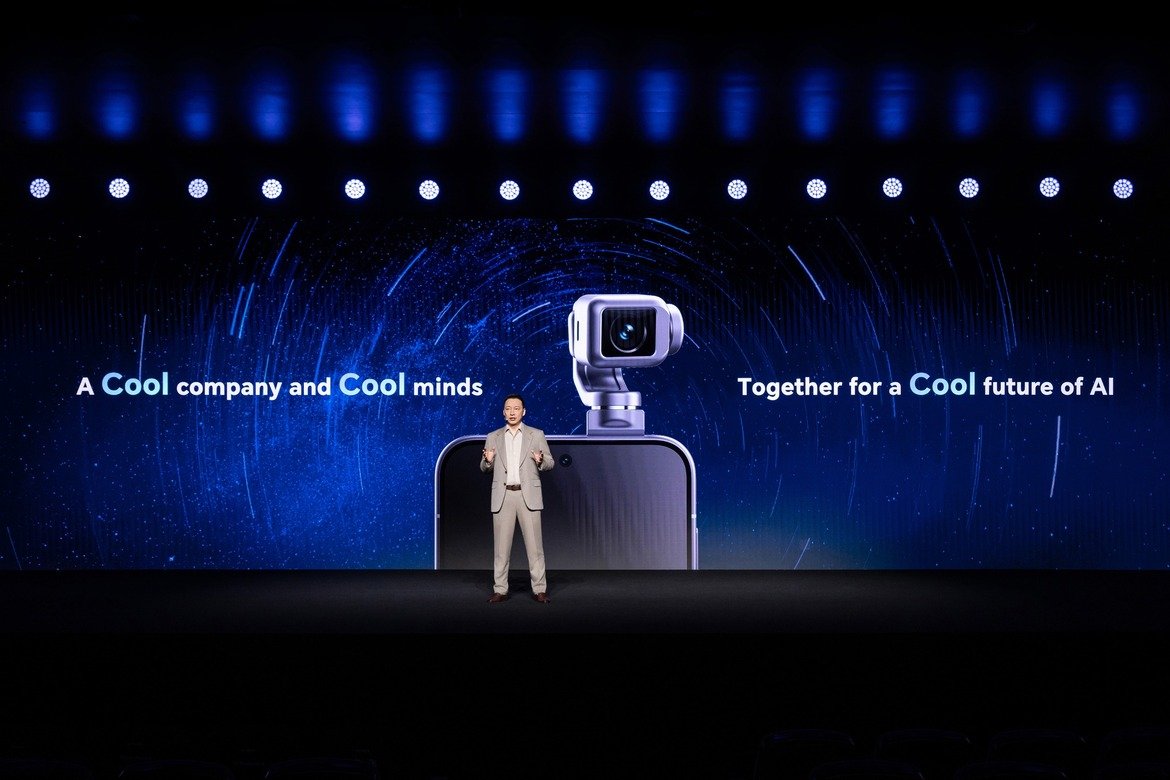
Xiaomi is preparing to release a new robotics product this year as the company deepens investment in AI, chips, and operating systems to compete in embodied intelligence.
By Laura Bennett | Edited by Kseniia Klichova
Published:
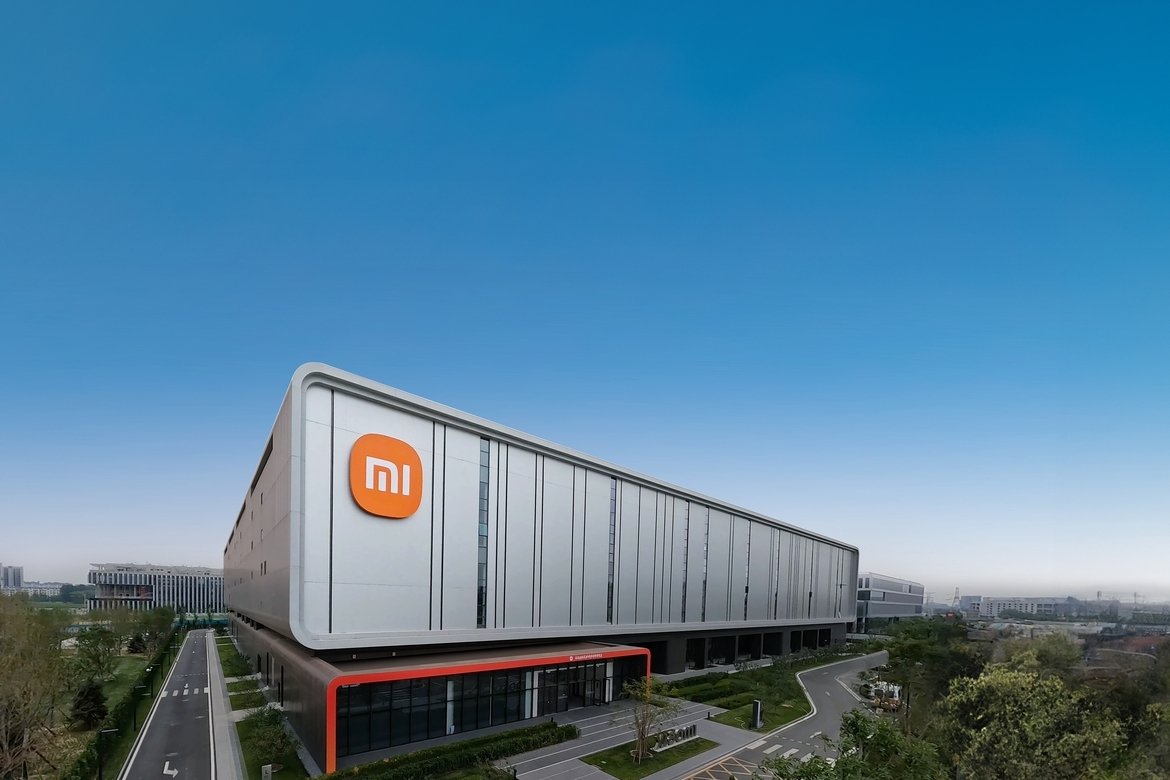
Xiaomi is expanding its robotics strategy by combining self-developed chips, operating systems, and AI models in future robot platforms. Photo: Xiaomi
Xiaomi is preparing to launch a new robotics product later this year as the Chinese technology company accelerates its push into artificial intelligence, chips, and embodied robotics. The upcoming device is expected to integrate Xiaomi’s self-developed semiconductor technology, proprietary operating system, and large AI models into a unified robotics platform.
The announcement signals a deeper commitment to robotics as part of Xiaomi’s long-term technology strategy. Company executives believe humanoid robots could become a significant component of Xiaomi’s industrial operations within the next five years.
The move comes as China’s technology companies race to establish leadership in embodied AI – a field that combines artificial intelligence with machines capable of interacting with the physical world.
A Robotics Platform Built on In-House Technologies
Xiaomi’s robotics initiative is closely tied to its broader investment in core technologies. Over the past five years, the company has spent more than 100 billion yuan on research and development across areas including semiconductors, operating systems, and artificial intelligence.
Executives say the new robotics product will bring these technologies together in a single system. By integrating its own chips and software stack, Xiaomi aims to control key elements of the robotics platform while reducing reliance on external suppliers.
This approach mirrors strategies used by other technology companies seeking to build vertically integrated AI systems.
Last year, Xiaomi introduced its self-developed XRing O1 chip, which the company described as a major milestone in its semiconductor ambitions. The processor is part of a broader effort to strengthen China’s domestic technology capabilities amid global competition in advanced computing.
Robotics Becomes a New Battleground for Tech Companies
Xiaomi’s robotics ambitions place it in direct competition with other Chinese technology and automotive companies expanding into humanoid robotics.
Electric vehicle maker Xpeng is building a manufacturing base for humanoid robots and aims to begin large-scale production in the coming years. Meanwhile, Li Auto has reorganized its research structure to accelerate development of embodied intelligence and autonomous driving technologies.
Across the industry, companies are increasingly viewing robotics as the next major platform after smartphones and electric vehicles.
For Xiaomi, the robotics push builds on its existing expertise in consumer electronics and connected devices. The company’s leadership believes its ability to rapidly commercialize technologies could give it an advantage in bringing robots to market.
“Private technology companies have the advantage of being close to users and market demand,” founder and CEO Lei Jun said in a recent interview, emphasizing the importance of quickly transforming research breakthroughs into scalable products.
From Devices to Embodied AI Ecosystems
Xiaomi’s robotics strategy is also tied to its broader ecosystem of connected devices. The company already produces a wide range of consumer electronics, from smartphones and smart home devices to electric vehicles.
Integrating robotics into this ecosystem could enable new forms of interaction between AI systems and physical environments.
Humanoid robots, for example, could eventually connect with smart home devices, autonomous vehicles, and cloud-based AI services. Such integration would extend Xiaomi’s technology platform beyond screens and vehicles into real-world automation.
Executives have suggested that humanoid robots may eventually be deployed inside Xiaomi’s own manufacturing facilities. If successful, robots could handle repetitive assembly tasks and logistics operations within the company’s factories.
Long-Term Bet on Core Technologies
Xiaomi recently announced plans to invest an additional 200 billion yuan over the next five years to accelerate research in foundational technologies such as semiconductors, operating systems, and artificial intelligence.
Robotics is expected to play a central role in this strategy as companies worldwide compete to develop machines capable of performing complex physical tasks.
While the commercial market for humanoid robots remains in its early stages, the increasing number of companies investing in the technology suggests that embodied AI may become one of the next major platforms in the global technology industry.
Xiaomi’s upcoming robot launch will offer an early indication of how consumer electronics companies plan to translate their expertise in chips, software, and AI into physical machines.
Beijing-based Noetix Robotics has raised nearly $140 million in a Series B round led by a CATL-backed investment fund as it develops humanoid and biomimetic consumer robots.
By Rachel Whitman | Edited by Kseniia Klichova
Published:
Noetix Robotics’ humanoid robot performs during a demonstration event, highlighting advances in motion control and interactive robotics. Photo: Noetix Robotics
Chinese robotics startup Noetix Robotics has raised nearly RMB 1 billion (about $140 million) in a Series B funding round as it accelerates development of humanoid and biomimetic robots aimed at consumer applications.
The financing was led by CD Capital, an industrial investment platform linked to battery manufacturer CATL, with participation from CAS Investment, Jingguosheng Fund, and Unity Ventures. The new investment brings the Beijing-based company’s total funding across nine rounds and follows growing interest in humanoid robotics across China’s technology sector.
Investors are increasingly betting that consumer-focused robots could become one of the next major markets for embodied artificial intelligence.
Young Engineering Team Driving Rapid Development
Noetix’s leadership and engineering teams are notably young, with most core members born after the mid-1990s and an average team age below 30. The company attributes its rapid development cycles partly to this structure, which allows it to iterate quickly on both hardware and software.
The company demonstrated its rapid prototyping approach when it built its first humanoid robot prototype in just over six weeks. Since then, the engineering team has continued to refine its designs through fast iteration cycles and real-world testing.
One example came during preparations for China’s Lunar New Year Gala television program. The company’s humanoid robot, named Xiao Bumi, underwent more than 20 dance training iterations within a single month to prepare for a stage performance. The project was designed to demonstrate the robot’s ability to adapt to new scenarios while maintaining balance and coordination.
Dual Focus on Bipedal and Biomimetic Robots
While most humanoid robotics companies focus exclusively on bipedal robots designed to resemble human movement, Noetix is pursuing a dual-track strategy. The company develops both traditional humanoid robots and biomimetic humanoids designed to mimic biological motion more closely.
According to the company, biomimetic designs could play a significant role in the future of consumer robotics because they allow for more natural interaction and emotional engagement with users.
This focus on interaction reflects a broader shift in robotics development. As robots move into homes and public spaces, social interaction and emotional resonance may become as important as mechanical performance.
The company says progress in biomimetic systems has reinforced its work on conventional humanoid robots, creating technological overlap between the two product lines.
Investors Bet on Consumer Robotics
The Series B funding round reflects growing investor confidence in the long-term potential of humanoid robots. While industrial robotics remains the largest segment of the robotics market today, many investors believe consumer robots could eventually reach a comparable scale.
China has become one of the most active regions for humanoid robotics development, with startups and major technology companies alike investing heavily in embodied AI.
Noetix says it has developed a full-stack robotics platform covering mechanical design, control systems, and AI software. The company currently holds more than 30 patents related to its robotics technologies.
With the new funding, Noetix plans to continue expanding its humanoid and biomimetic product lines and move closer to commercial deployment.
Although consumer humanoid robots remain in an early stage of development, the latest investment suggests that investors increasingly view the sector as a potential trillion-yuan market in the coming decades.
Honor introduced a “Robot Phone” at MWC 2026 featuring a 200-megapixel AI tracking camera mounted on a miniature robotic gimbal arm designed for autonomous filming.
By Laura Bennett | Edited by Kseniia Klichova
Published:
Honor’s Robot Phone features a miniature robotic camera arm with a 4-DoF gimbal that uses AI tracking to automatically follow subjects. Photo: Honor
At Mobile World Congress 2026 in Barcelona, Chinese smartphone maker Honor introduced an experimental device that blends robotics and mobile computing: the “Robot Phone”. The concept smartphone features a 200-megapixel camera mounted on a miniature robotic gimbal arm capable of tracking users and responding to physical gestures.
The device reflects a broader push by consumer electronics companies to integrate robotics into everyday devices. Rather than limiting AI to software assistants or image processing, Honor’s concept brings mechanical motion and autonomous camera control directly into the smartphone form factor.
The company says the Robot Phone will launch commercially in China in the second half of 2026.
A Robotic Camera Built into a Smartphone
The most distinctive feature of the Robot Phone is its compact 4-degree-of-freedom (4-DoF) gimbal system. Using a custom micromotor assembly, the camera module can extend outward, rotate, and stabilize itself independently of the phone’s body.
This mechanical flexibility allows the device to track subjects in real time. The camera can follow a moving person during video recording or automatically reposition itself during video calls.
AI-powered tracking algorithms enable the system to detect motion, identify subjects, and adjust orientation accordingly. The camera can also rotate up to 90 or 180 degrees for cinematic shots and perform features such as “AI SpinShot”, which creates dynamic rotating video perspectives.
Honor designed the system primarily for creators, vloggers, and social media users who frequently record hands-free video.
AI Interaction Moves from Screen to Motion
Beyond simple tracking, the robotic camera module can respond to user gestures. During demonstrations, the phone’s camera arm was shown nodding or shaking slightly, mimicking human gestures as it followed a user.
This capability reflects a growing trend toward devices that combine AI perception with physical movement. By integrating robotics directly into the smartphone, Honor is exploring new ways for devices to interact with users in physical space rather than through touchscreens alone.
To improve imaging quality, Honor has partnered with ARRI, a well-known manufacturer of professional cinema cameras. The collaboration aims to adapt professional color science and imaging technologies for mobile devices.
If successful, the concept could narrow the gap between smartphone cameras and dedicated filmmaking equipment.
Part of a Broader AI and Robotics Ecosystem
The Robot Phone was introduced alongside several other products at MWC 2026, including the Magic V6 foldable smartphone, the MagicPad 4 tablet, and the MagicBook Pro 14 laptop.
Together, these devices form part of Honor’s strategy to build an AI-powered ecosystem connecting mobile devices, computing platforms, and robotics.
The company also demonstrated a humanoid robot designed for service and assistance roles. The robot is intended for applications such as retail support, workplace inspection, and general customer assistance.
By linking these devices through shared AI systems, Honor aims to create what it calls “augmented human intelligence”, where digital assistants can interact with users in both virtual and physical environments.
Consumer Robotics Begins to Enter Everyday Devices
The Robot Phone illustrates how robotics concepts are beginning to move beyond dedicated robots into mainstream consumer electronics.
Smartphones have long incorporated advanced sensors and AI processing, but the addition of mechanical motion introduces a new dimension of interaction. Cameras that can physically reposition themselves could improve video calls, content creation, and augmented reality experiences.
While it remains to be seen whether robotic camera systems will become a standard feature in smartphones, the concept reflects how the boundaries between robotics, AI, and personal devices are increasingly converging.
As companies experiment with new hardware designs, robotics may gradually become part of everyday consumer technology – not just as standalone machines, but embedded within the devices people carry every day.
Xiaomi has deployed a humanoid robot on its EV assembly line, marking a step toward large-scale industrial use of embodied AI in automotive manufacturing.
By Rachel Whitman | Edited by Kseniia Klichova
Published:
Xiaomi’s humanoid robot performs self-tapping nut assembly on an EV production line, demonstrating the use of AI-powered robotics in automotive manufacturing. Photo: Xiaomi
Xiaomi has begun deploying a humanoid robot inside its electric vehicle factory, where the system has successfully performed complex assembly work on a live production line. The move represents a significant step for the Chinese technology company as it expands its efforts in embodied artificial intelligence and industrial robotics.
According to the company, the robot operated autonomously for three consecutive hours at a workstation responsible for installing self-tapping nuts used in vehicle floor components. The robot achieved a 90.2% task success rate while meeting the production line’s 76-second cycle time requirement.
The pilot deployment highlights how humanoid robots are beginning to move from research environments into real manufacturing settings.
AI-Driven Control Enables Complex Assembly
The assembly task performed by the robot involves precise alignment and fastening operations that require coordination between vision, gripping, and motion control systems. The robot retrieves self-tapping nuts from an automated feeder, positions them on fixtures, and coordinates with conveyor and tightening systems to complete the installation process.
Xiaomi said one of the main technical challenges is achieving reliable engagement between the robot’s gripper and the spline structure inside the nuts. The components can shift orientation, and magnetic interference adds further complexity to the task.
To address these challenges, the company uses a data-driven control system built around its proprietary Vision-Language-Action model, known as Xiaomi-Robotics-0. The 4.7-billion-parameter model combines visual perception, language-based reasoning, and physical control.
Reinforcement learning is used alongside the model to allow the robot to adapt to changing conditions and learn from interactions in the physical environment.
Simulation and Multimodal Sensors Improve Reliability
Xiaomi trained the robot’s control system using large-scale simulations before deploying it on the factory floor. Reinforcement learning models were exposed to hundreds of millions of simulated disturbances, allowing the robot to develop stability and recovery strategies.
The system also integrates multiple forms of sensory data, including computer vision, tactile feedback, and joint position sensing. Combining these inputs helps the robot interpret complex situations more reliably and reduces errors during assembly.
For full-body motion control, Xiaomi uses a hybrid architecture that combines optimization-based control algorithms with reinforcement learning policies. The optimization layer calculates motion solutions in under one millisecond, enabling real-time responses during production tasks.
The approach allows the robot to maintain balance and accuracy even when external disturbances occur on the production line.
Humanoid Robots Move into Automotive Manufacturing
Xiaomi’s factory deployment reflects a growing trend among automotive and technology companies experimenting with humanoid robots for industrial applications.
Automakers have a natural advantage in robotics development because many of the underlying technologies – electric motors, battery systems, sensors, and AI computing platforms – are shared with electric vehicles.
The company said the self-tapping nut station is only the first step in expanding humanoid robot deployment across its factories. Additional workstations currently under evaluation include bin-picking operations and front badge installation.
These tasks represent common challenges in manufacturing where objects vary in orientation and require dexterous manipulation.
Intensifying Competition in Industrial Humanoids
Xiaomi’s progress comes amid intensifying global competition in humanoid robotics. Companies including Tesla and Chinese EV maker Xpeng are pursuing similar strategies, aiming to deploy robots in manufacturing environments before expanding into other industries.
Tesla has indicated that its Optimus humanoid robot could begin performing more complex tasks in factories within the next few years, while Xpeng is building a dedicated humanoid robot manufacturing base.
For Xiaomi, the factory trial serves both as a technological demonstration and a step toward scaling industrial robotics internally. Founder and CEO Lei Jun has predicted that large numbers of humanoid robots could be working across the company’s factories within five years.
While widespread deployment remains a long-term goal, the experiment suggests that humanoid robots are beginning to cross an important threshold – moving from laboratory prototypes into real production environments.
Samsung Electronics plans to convert its global manufacturing network into AI driven factories by 2030, integrating agentic AI, robotics, and digital twins across production.
By Daniel Krauss | Edited by Kseniia Klichova
Published:
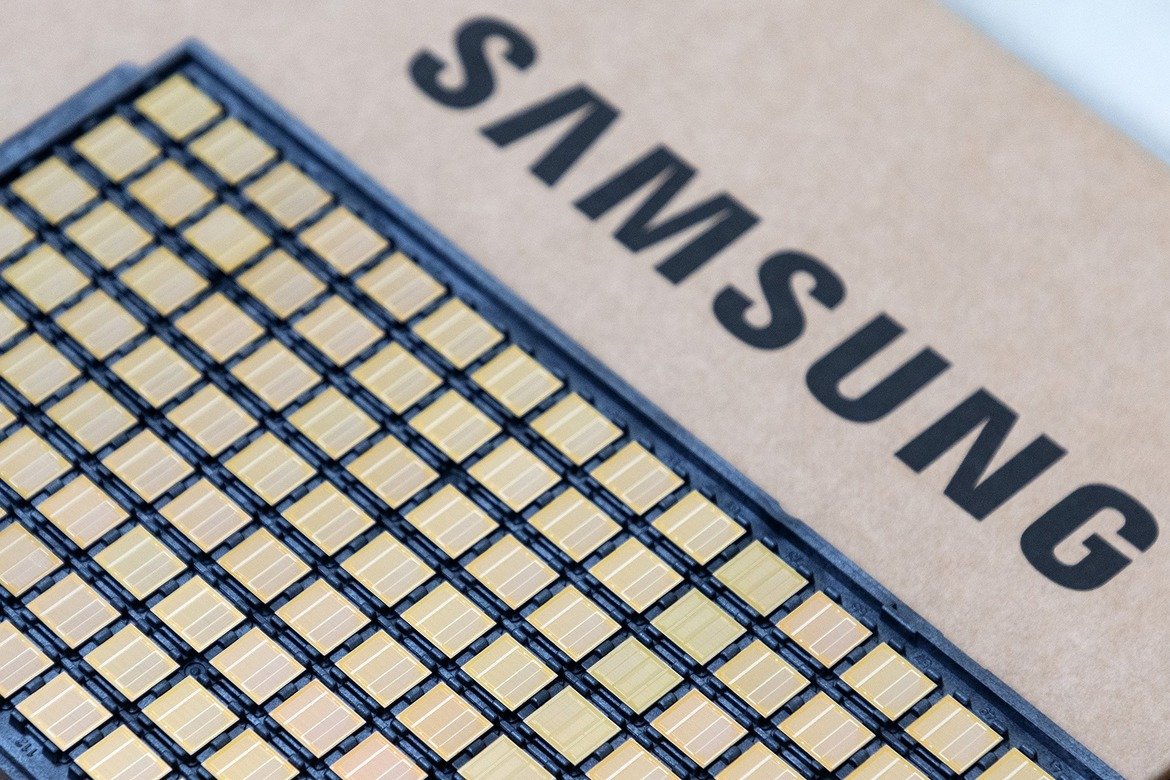
Samsung’s manufacturing strategy combines robotics, digital twin simulation, and AI agents to create autonomous factory environments. Photo: Samsung Electronics
Samsung Electronics has announced a plan to transform its global manufacturing operations into fully AI driven factories by 2030, signaling a major shift toward autonomous production environments powered by artificial intelligence and robotics.
The strategy aims to integrate AI systems across the entire manufacturing value chain, including material logistics, production lines, quality inspection, and final product distribution. By embedding AI agents and digital twin simulations into factory operations, Samsung intends to create production systems capable of monitoring conditions, predicting failures, and optimizing workflows in real time.
The initiative reflects a broader industrial shift toward intelligent manufacturing systems in which automation is combined with AI decision-making to create more adaptive production environments.
Agentic AI Becomes the Core of Factory Operations
At the center of Samsung’s strategy is the deployment of agentic AI systems capable of planning, executing, and optimizing manufacturing processes autonomously. These specialized AI agents will manage different aspects of factory operations, including production scheduling, logistics coordination, and equipment maintenance.
Digital twin technology will support this approach by creating virtual replicas of factory environments. These simulations allow engineers and AI systems to test production changes, validate processes, and predict potential disruptions before they occur in physical facilities.
By combining simulation with real-time operational data, Samsung aims to improve efficiency while reducing downtime and production errors.
AI agents will also analyze large volumes of manufacturing data to identify patterns related to equipment performance and product quality. These insights can help factories detect defects earlier and prevent failures before they impact production output.
Robotics Expands Across the Production Floor
Samsung plans to deploy multiple categories of robotics as part of its transition to AI-driven manufacturing. These include robots designed for production line operations, logistics robots responsible for transporting materials, and assembly robots capable of performing precision manufacturing tasks.
Robotics will also be used in facility management and environmental monitoring. In areas where human access may be hazardous or limited, specialized robots equipped with sensors will monitor factory conditions and detect potential safety risks.
These systems will operate alongside AI platforms that coordinate tasks across machines and infrastructure. The goal is to move beyond traditional automation toward autonomous factory environments where machines can adapt to changing production conditions.
Smart Manufacturing Becomes a Strategic Industry Trend
Samsung’s announcement highlights how advanced manufacturing is evolving from simple automation toward integrated AI ecosystems. Companies across industries are investing heavily in digital twins, robotics, and AI analytics to improve productivity and resilience in global supply chains.
Manufacturing environments generate large volumes of operational data, making them well suited for AI-driven optimization. By analyzing production data in real time, AI systems can identify inefficiencies, anticipate maintenance needs, and optimize resource allocation.
These capabilities are particularly important as manufacturers face rising labor costs, supply chain complexity, and increasing demand for product customization.
Samsung plans to present additional details about its industrial AI strategy at the Mobile World Congress in Barcelona, where the company will demonstrate how AI-driven manufacturing technologies can improve both efficiency and safety.
Autonomous Factories Move from Vision to Implementation
The concept of autonomous factories has been discussed for years, but advances in AI, robotics, and computing infrastructure are making large-scale implementation increasingly feasible.
Samsung’s roadmap suggests that the company intends to move beyond isolated automation projects toward fully integrated systems capable of managing complex manufacturing operations with minimal human intervention.
While human workers will remain essential for oversight and engineering roles, AI-driven factories are expected to handle many operational decisions automatically.
If successfully implemented, Samsung’s initiative could serve as a blueprint for next-generation manufacturing, demonstrating how artificial intelligence and robotics can transform industrial production systems over the coming decade.
Join our list to receive latest Blockchain, Crypto & Fintech news:
WordPress database error: [Table 'u752143311_u5t1U.wp_coingecko_coins' doesn't exist]
            SELECT coins.*, meta.post_id as post_id
            FROM `wp_coingecko_coins` coins
            INNER JOIN wp_postmeta meta ON (meta.meta_key = 'wpcf-coin-main-tag' AND meta.meta_value = coins.slug )
            ORDER BY market_cap_usd
            DESC LIMIT 9