HomeTopicsPhysical AI

Physical AI

Physical AI refers to artificial intelligence systems that perceive, reason, and act in the physical world through sensors, actuators, and embodied control. Unlike purely digital AI, Physical AI connects software intelligence with real-world interaction, enabling robots, autonomous machines, and smart devices to move, manipulate objects, and respond to dynamic environments. This topic covers perception, motion planning, control systems, and learning-based behaviors used in robotics, autonomous vehicles, and industrial automation. It also explores simulation, digital twins, and real-world training methods that bridge the gap between virtual models and physical execution. As AI increasingly leaves the screen and enters the real world, Physical AI represents a critical foundation for scalable, intelligent machines operating outside controlled environments.

By • 4 mins read
Business & Markets, News, Robots & Robotics, Science & Tech

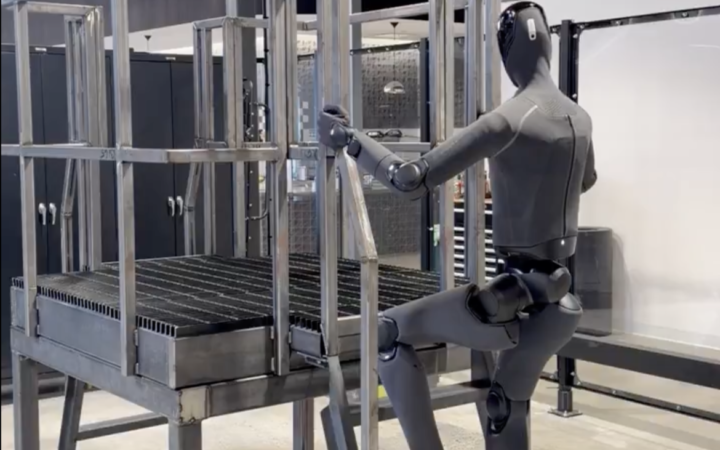
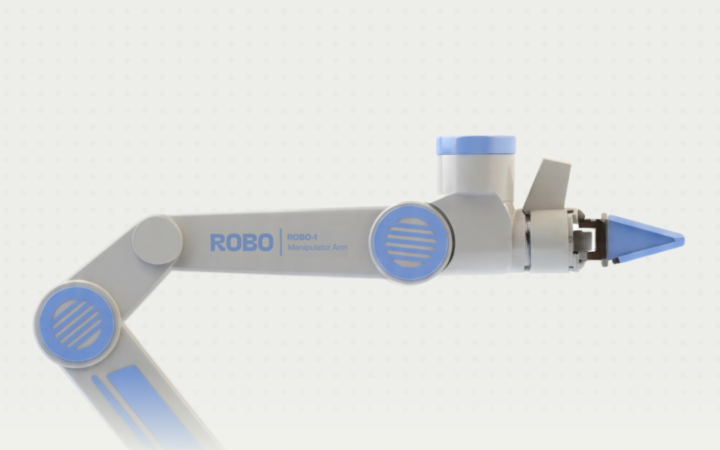
The Gap Between Humanoid Robot Hype and Industrial Reality Is Wider Than It Looks

By • 4 mins read

Despite record investment, viral demonstrations, and bold commercial timelines, the gap between what humanoid robots can do on camera and what they can reliably deliver in real industrial environments remains significant – and is being increasingly acknowledged by the people building them.

By • 3 mins read
Artificial Intelligence (AI), News, Robots & Robotics, Science & Tech

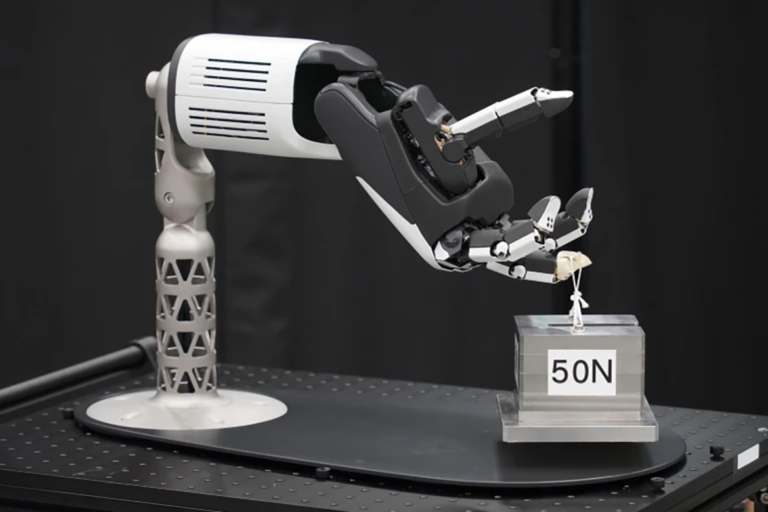
Genesis AI Unveils GENE-26.5 Foundation Model and Human-Scale Robotic Hand for Dexterous Manipulation

By • 3 mins read

Genesis AI has unveiled GENE-26.5, a robotics foundation model paired with a human-scale robotic hand and a data-collection glove that enables 1:1 skill transfer from humans to robots, targeting complex long-horizon manipulation tasks at commercial scale.

Exit mobile version