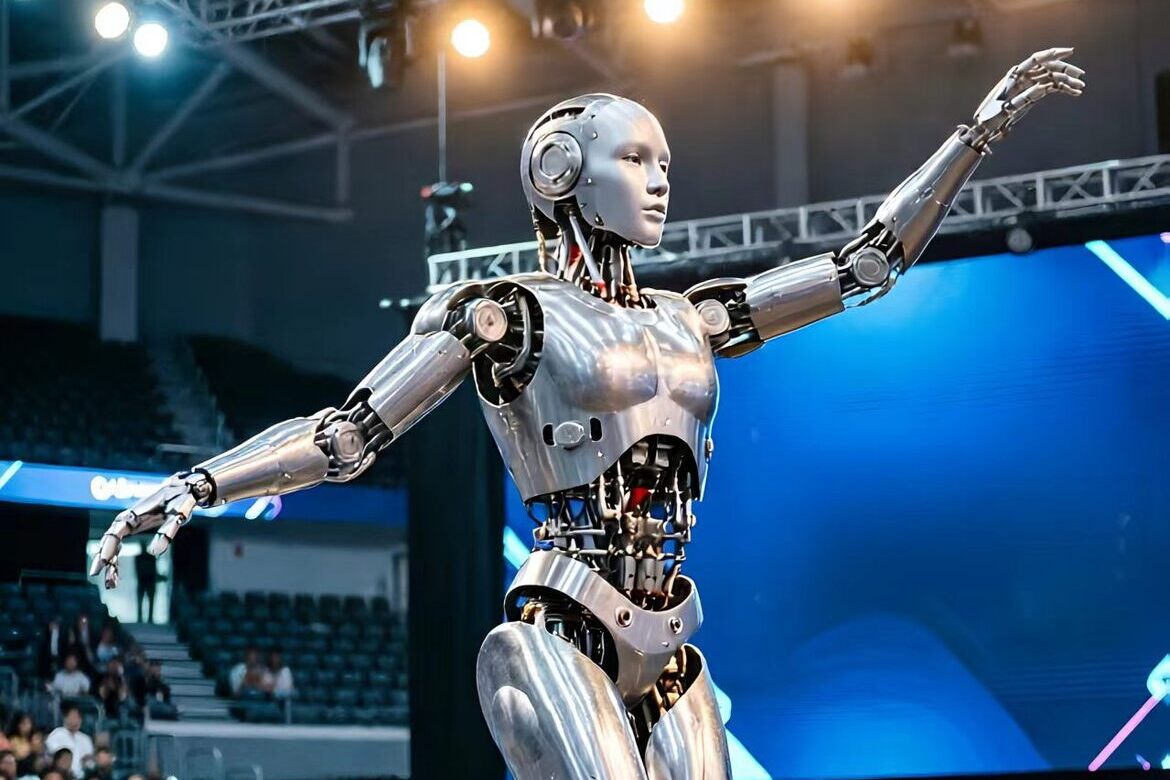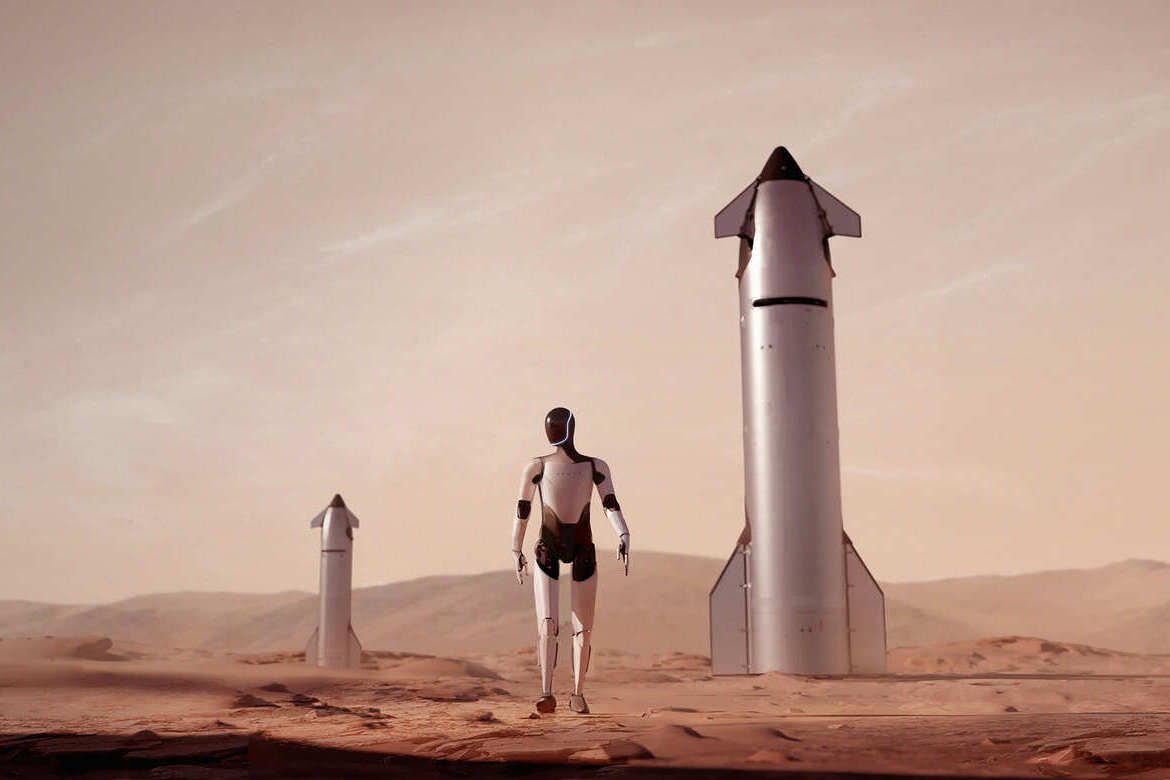

Elon Musk has outlined a long-term plan to use Tesla’s Optimus humanoid robots as the first residents and construction workers on the Moon and Mars, with SpaceX beginning to send construction materials to both locations starting in late 2026. The blueprint calls for robots to build infrastructure before human settlers arrive, targeting a permanently inhabited lunar city within ten years and a self-sustaining Martian city between 2045 and 2055.
Musk has adjusted the sequencing to prioritize the Moon, which requires three days of travel time compared to approximately six months for Mars under current technology. The proximity advantage allows faster resupply and emergency response, making the Moon a more practical first test of off-world construction methodology before committing to Mars.
Why Robots First
The robot-first construction model addresses the fundamental life support requirements that make human off-world presence expensive and dangerous. “Humans need food, water and oxygen, but robots only need electricity and basic maintenance,” aerospace engineer Jim Cantrell noted. By deploying Optimus robots to construct habitats, power generation, and resource extraction infrastructure before any human crew arrives, the plan eliminates the life support systems, consumables, and emergency evacuation capability that a human construction crew would require.
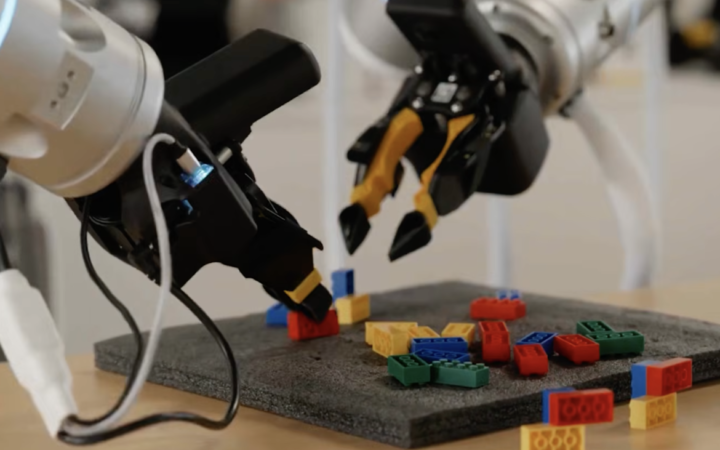
The logic mirrors China’s Chang’e-8 lunar mission plan, which is also deploying a robotic construction platform – with dual robotic arms and a wheeled chassis – to the Moon’s south pole around 2028. Both programs represent the same underlying recognition: the first structures on other worlds will be built by machines.
The Supporting Infrastructure
The robotic construction program requires several parallel infrastructure developments. SpaceX has submitted a proposal to the Federal Communications Commission to build a next-generation satellite network of approximately 100,000 satellites, designed to support communications between Earth, the Moon, and eventually Mars, as well as AI-based device networks operating across the three locations.
Musk has also described a next-generation super-heavy transport rocket larger than the current Starship under development, capable of carrying large construction equipment to the Moon and Mars at a scale that would not be possible with existing launch vehicles.
The resource challenges of off-world construction are substantial. The Moon’s long nights limit solar power reliability. Most of Mars’ water is believed to exist as underground ice requiring mining technology. Rocket fuel production from the Martian atmosphere and oxygen generation through electrolysis are identified as key technical elements. Musk’s framework treats these as engineering problems to be solved sequentially rather than simultaneous prerequisites.
The Context for Optimus
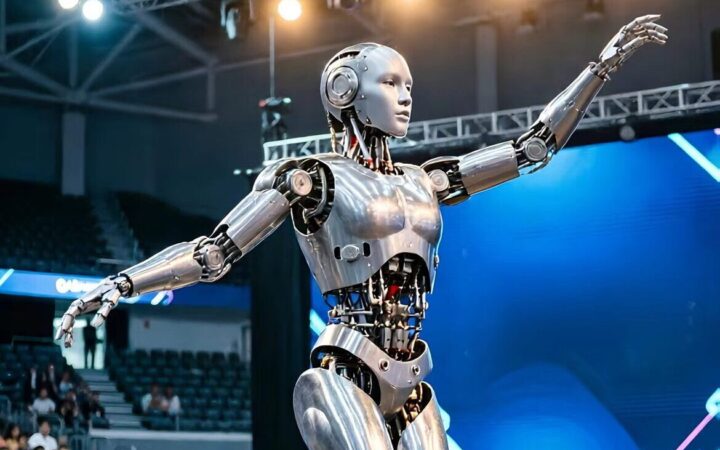
The extraterrestrial construction plan is the most ambitious long-term use case articulated for Optimus, which is currently being prepared for volume production at Tesla’s Fremont facility with a July-August reveal for Optimus V3. Tesla is simultaneously converting the Model S and X production line to target one million Optimus units annually, and deploying early units within its own Gigafactories for internal logistics and assembly tasks.
The gap between current Optimus capability and the requirements of lunar or Martian construction is substantial – the robot that recently began factory floor deployment at Tesla facilities would require significant advancement in autonomous operation, thermal resilience, and power efficiency before operating in extraterrestrial environments without human supervision. The 2026 material delivery timeline refers to SpaceX cargo missions, not robot deployment, which would follow infrastructure establishment.
Disclaimer: RobotsBeat is an independent media brand owned and operated by NuvexMedia LLC, publishing news, research, and insights on artificial intelligence, emerging technologies, automation, and related industries. NuvexMedia LLC invests in and collaborates with companies across the AI, Robotics, technology, software, and digital innovation sectors. These relationships do not influence RobotsBeat's editorial coverage, and the publication maintains full editorial independence to provide accurate, timely, and objective information. © 2026 NuvexMedia LLC. All rights reserved. This content is for informational purposes only and should not be considered legal, tax, investment, financial, or other professional advice.