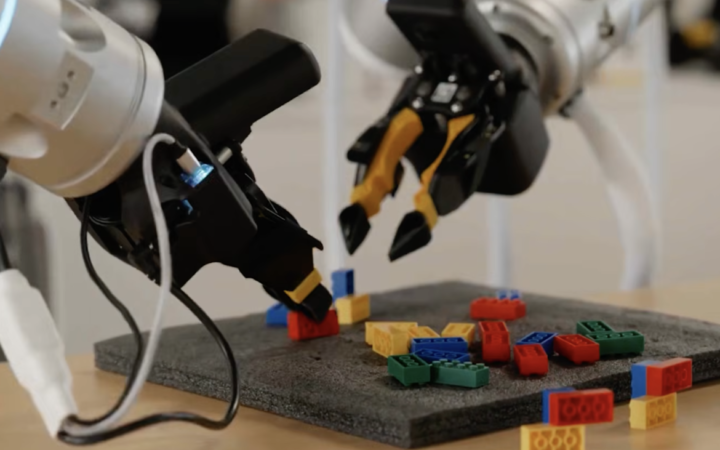

NVIDIA and Hugging Face have integrated the NVIDIA Isaac GR00T 1.7 robot foundation model and the Isaac Teleop data collection framework into LeRobot, Hugging Face’s open-source robotics library. The integration gives developers access to NVIDIA’s physical AI tools through standardized, open workflows covering data collection, model training, performance evaluation, and deployment. NVIDIA Cosmos 3, a frontier world foundation model for physical AI, is planned for LeRobot integration soon.
The collaboration connects NVIDIA’s 3 million robotics developers with Hugging Face’s 16 million AI builders, expanding open access to frontier physical AI tools that have previously been available primarily to well-resourced research institutions and commercial robotics companies.
What the Integration Provides
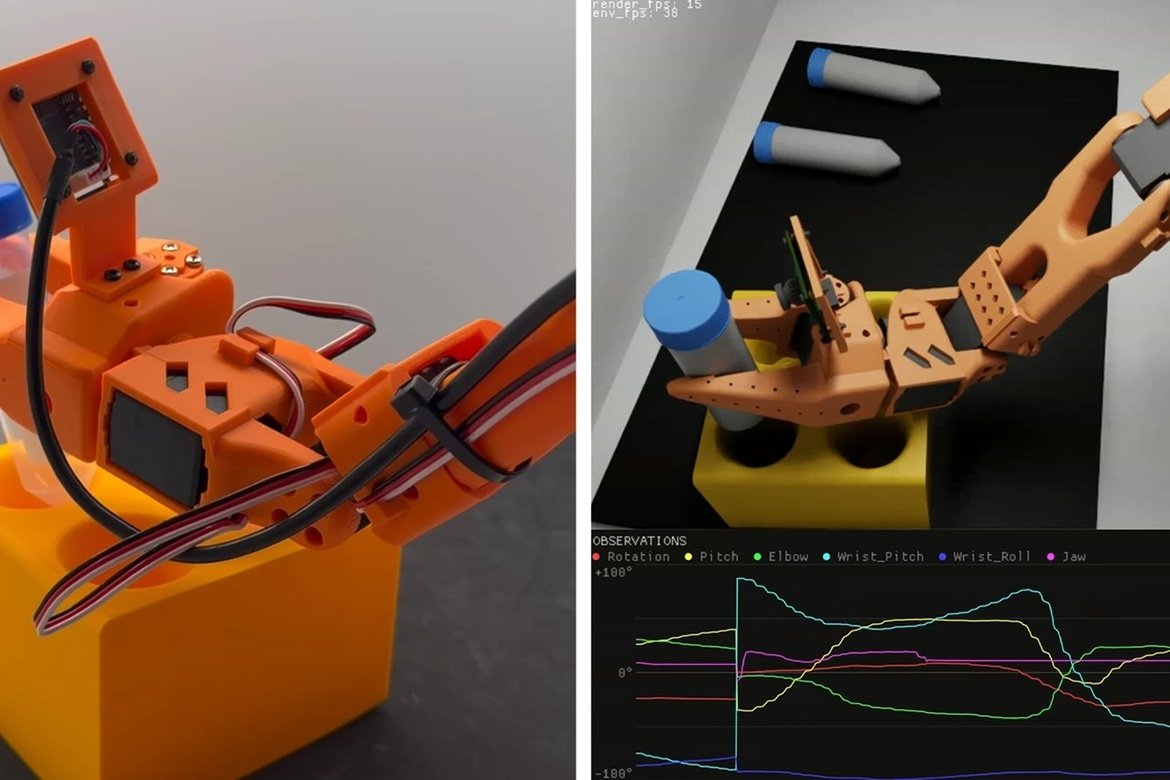
Isaac Teleop is an open-source framework for robot data collection. It allows developers to capture high-quality human demonstrations from external devices using standardized, interoperable data formats, then expand and share datasets directly within the LeRobot ecosystem. The standardized format addresses a persistent fragmentation problem: data collected with one robot or teleoperation system has historically been incompatible with other platforms, limiting reuse and community contribution.
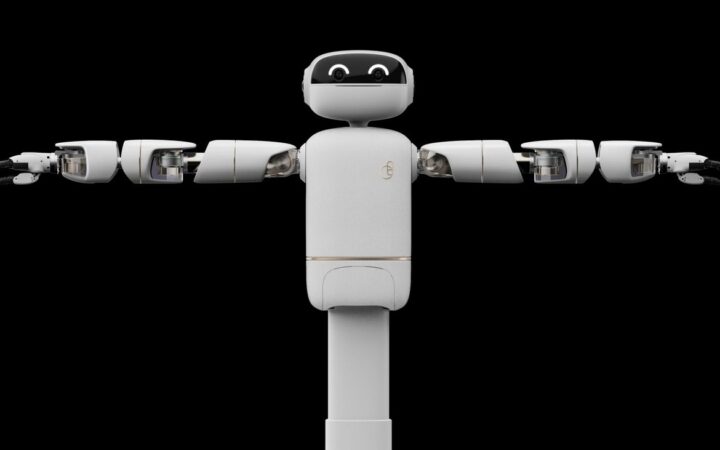
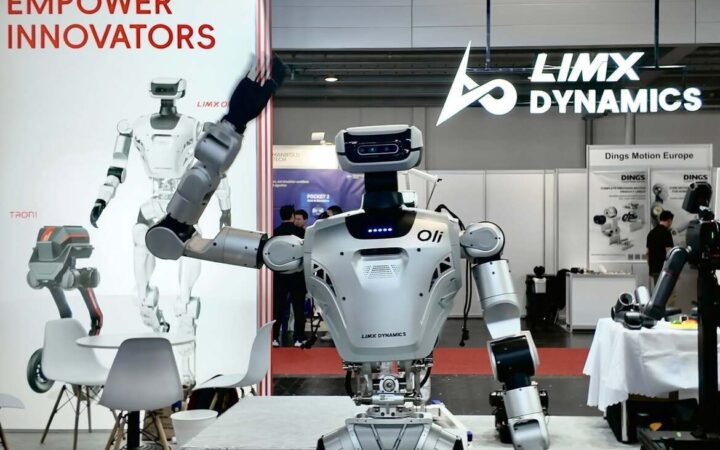
Isaac GR00T 1.7 is described as the first open and commercially viable robot foundation model. Integrated into LeRobot workflows, it makes it easier for developers to post-train and deploy GR00T models, adapting the foundation to new robot embodiments and tasks with benchmarked performance rather than starting from scratch. The model is a vision-language-action system – it processes visual and language input to generate robot actions – designed for humanoid platforms.
Cosmos 3, when integrated, will allow developers to generate and augment robotics training data, simulate scenarios, and support policy development in situations where real-world data collection is too expensive or impractical. World foundation models of this type are increasingly recognized as a mechanism for closing the physical AI data gap without requiring proportionally larger robot fleets.
The Broader Open Ecosystem
The GR00T and Teleop integrations build on resources already connected to LeRobot. NVIDIA’s open-source physical AI dataset has been downloaded more than 15 million times and contains more than 350,000 real and simulated trajectories and 57 million grasps. Isaac Sim and Isaac Lab simulation frameworks are available for policy training and validation. Isaac Lab-Arena in LeRobot’s Environment Hub allows developers to prototype simulation environments and register them for community use. NVIDIA Jetson Thor integration with LeRobot’s Reachy 2 supports VLA model deployment on open-source humanoid hardware.
“Open source is how a field turns advanced research into something people can study, adapt and build on,” said Thomas Wolf, co-founder and chief science officer at Hugging Face. “With NVIDIA Isaac GR00T 1.7 and Isaac Teleop in LeRobot today, robotics developers can use shared models, data and workflows to train and evaluate robots in the open.”
Why This Matters for the Industry
The LeRobot integration lowers the cost of physical AI development for startups, academic researchers, and individual developers who cannot build the full pipeline from data collection through model training to hardware deployment independently. The standardized formats and shared datasets it enables create the conditions for the kind of community-driven iteration that has accelerated progress in language AI – where shared benchmarks, open models, and public datasets allowed thousands of independent researchers to build on each other’s work.
For the humanoid robotics industry more broadly, the open pipeline matters because the data scarcity problem that limits embodied AI cannot be solved by any single company’s fleet. A shared infrastructure for collecting, standardizing, and distributing physical interaction data – accessible to developers building on any hardware – accelerates the collective pace of improvement.
Disclaimer: RobotsBeat is an independent media brand owned and operated by NuvexMedia LLC, publishing news, research, and insights on artificial intelligence, emerging technologies, automation, and related industries. NuvexMedia LLC invests in and collaborates with companies across the AI, Robotics, technology, software, and digital innovation sectors. These relationships do not influence RobotsBeat's editorial coverage, and the publication maintains full editorial independence to provide accurate, timely, and objective information. © 2026 NuvexMedia LLC. All rights reserved. This content is for informational purposes only and should not be considered legal, tax, investment, financial, or other professional advice.