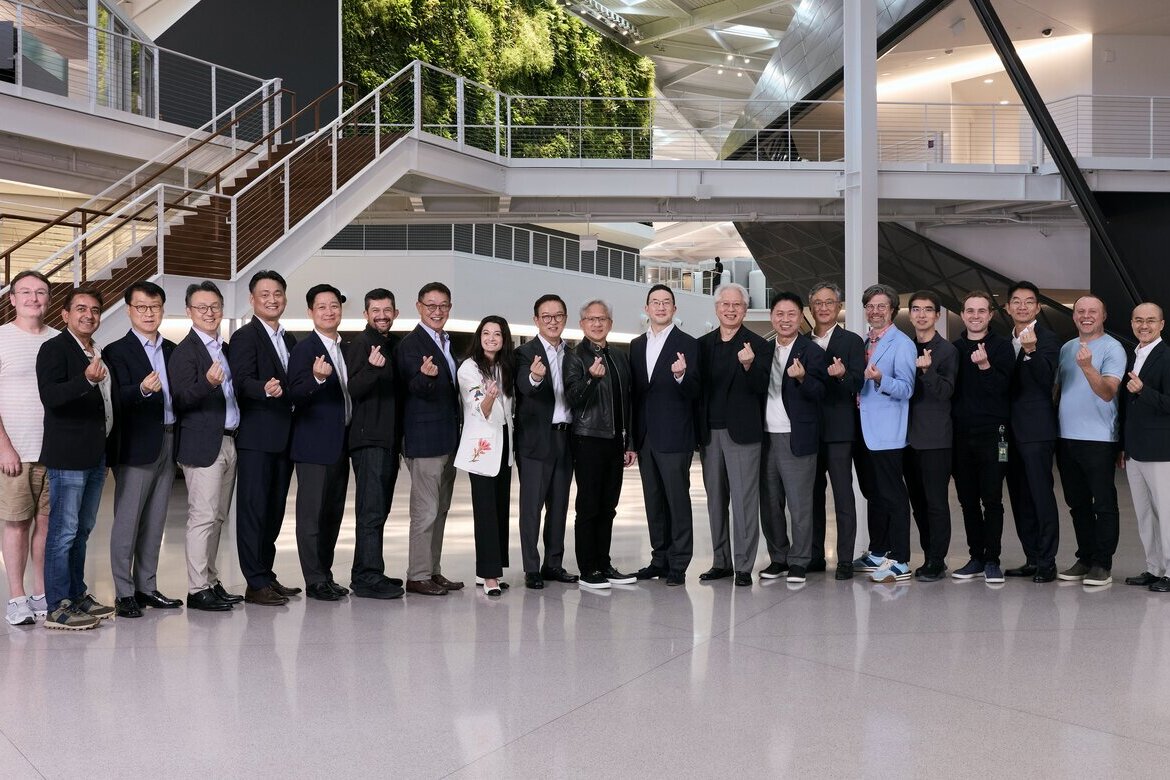

LG and NVIDIA have signed a memorandum of understanding at NVIDIA’s headquarters in Santa Clara, California, formalizing a shift from strategic planning into execution across robotics, AI factory infrastructure, and future mobility. LG Corp Chairman and CEO Kwang Mo Koo and NVIDIA Founder and CEO Jensen Huang attended the signing on August 13.
The agreement moves three previously announced collaboration areas into concrete near-term milestones: a bipedal humanoid robot targeting a Q1 2027 public unveiling, CLOiD wheel-based robot deployment at LG’s Tennessee washing machine manufacturing line this year, and an AI factory reference site powered by NVIDIA Vera Rubin planned for H1 2027.
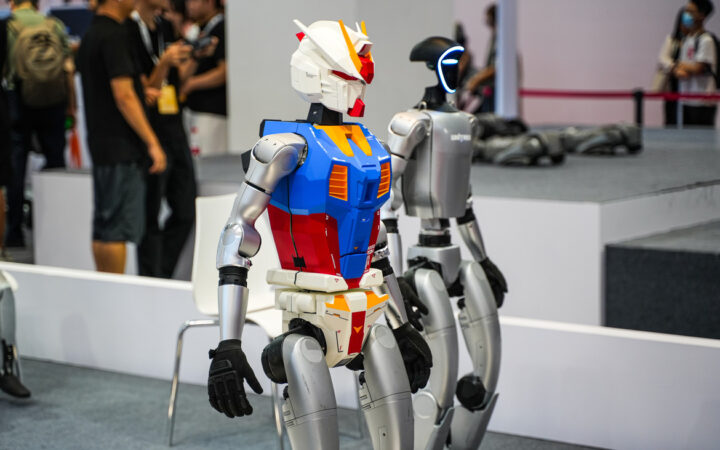
The Bipedal Humanoid
LG’s next-generation bipedal humanoid is being developed using NVIDIA Isaac GR00T, NVIDIA’s open humanoid foundation model, with NVIDIA Jetson Thor handling onboard compute for advanced reasoning and control. NVIDIA Halos for Robotics, the industry’s first full-stack safety architecture for physical AI, is integrated into the development process. LG plans to bring together capabilities across LG Electronics, LG Innotek, and LG Energy Solution, covering actuators, sensors, and batteries from within the LG group.
The Q1 2027 public unveiling timeline is LG’s most specific commitment yet on its humanoid program, which has been building through the CLOiD data factory announcement, the Yangjae campus conversion, and the group-wide NVIDIA partnership formalized in June. The bipedal platform will run on LG’s in-house Robot Foundation Model being developed in parallel with Isaac GR00T capability.
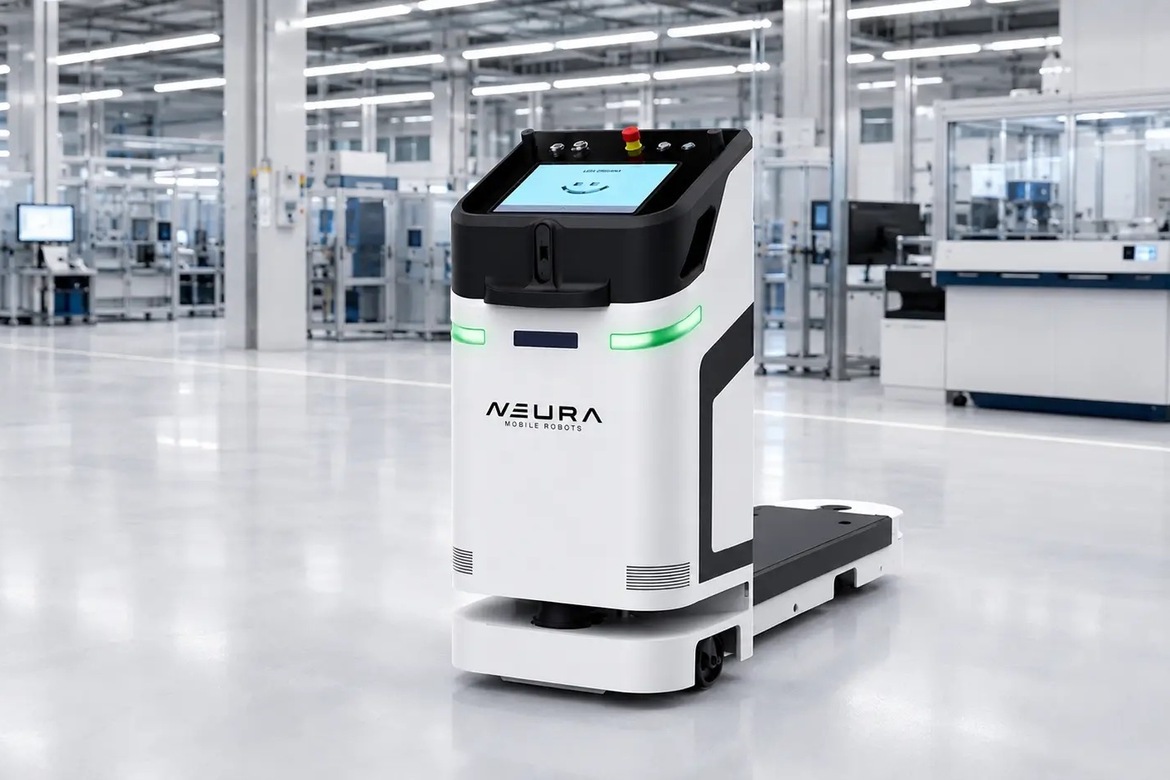
CLOiD in Tennessee This Year
Within 2026, LG will deploy its CLOiD wheel-based robot at LG Electronics’ washing machine manufacturing line in Tennessee for validation in a real-world production environment. The Tennessee line is the first international manufacturing site LG has named for CLOiD validation – a meaningful step beyond the Seoul Yangjae data factory, which generates training data in a controlled environment. Based on validation results, LG plans to expand CLOiD deployment to global production facilities, homes, and commercial spaces.
A joint task force of technical and business experts from LG and NVIDIA will coordinate across R&D, site validation, and commercialization. LG CNS PhysicalWorks, the company’s robot data platform, will be developed to support on-site physical AI data collection, synthetic data generation, training, and verification.
AI Factory Execution
LG will build an AI factory reference site powered by NVIDIA Vera Rubin in H1 2027, using the NVIDIA DSX AI factory architecture paired with LG’s thermal management, power, and operational capabilities across LG Electronics, LG Energy Solution, and LG CNS. Building on that reference, LG plans to construct an 80-megawatt LG AI Factory in Cheonan, Chungcheongnam-do, by H1 2028, targeting physical AI and robot foundation model training at scale.
The validated One LG end-to-end AI factory solution – spanning design, construction, and operations on the NVIDIA DSX platform – is also intended as a commercial offering for global technology customers seeking turnkey AI infrastructure.
Future Mobility
LG will develop a high-performance computing platform for next-generation AI-Defined Vehicles built on NVIDIA DRIVE Hyperion, integrating LG’s in-vehicle infotainment capabilities with NVIDIA’s autonomous driving technology. The strategy extends LG’s existing automotive component business into the autonomous driving domain, targeting global OEMs with integrated autonomous driving and in-cabin AI services.
“The defining opportunity of physical AI is to give every machine the ability to understand the real world, reason and act safely alongside people,” said Jensen Huang. “Building on years of collaboration, LG and NVIDIA are combining LG’s leadership in product engineering and manufacturing with NVIDIA technology to accelerate the next era of robots, AI factories and autonomous vehicles.”
Disclaimer: RobotsBeat is an independent media brand owned and operated by NuvexMedia LLC, publishing news, research, and insights on artificial intelligence, emerging technologies, automation, and related industries. NuvexMedia LLC invests in and collaborates with companies across the AI, Robotics, technology, software, and digital innovation sectors. These relationships do not influence RobotsBeat's editorial coverage, and the publication maintains full editorial independence to provide accurate, timely, and objective information. © 2026 NuvexMedia LLC. All rights reserved. This content is for informational purposes only and should not be considered legal, tax, investment, financial, or other professional advice.