
Agility Robotics CEO Peggy Johnson offered one of the most detailed public disclosures of a humanoid robotics company’s financial and strategic position in a conversation published this week, ahead of the company’s planned SPAC merger with Churchill Capital Corp XI that values Agility at $2.5 billion. The deal, which still requires shareholder approval and SEC review, would make Agility the first pure-play humanoid robotics company traded on public markets.
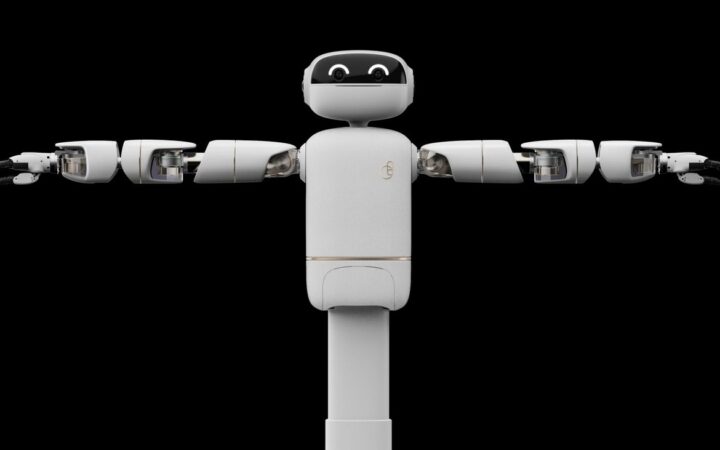
Johnson’s tone throughout was notably measured against the sector’s prevailing enthusiasm. AI2 Robotics, a Shenzhen-based wheeled humanoid startup, raised roughly $735 million at a nearly $3 billion valuation last week. Apptronik closed a $935 million round valuing it at more than $5.5 billion earlier this year. Figure AI last fall reported $1 billion in Series C funding at a $39 billion valuation. Against that backdrop, Agility’s $2.5 billion SPAC valuation and Johnson’s deliberate caution about timelines stand out.
The Commercial Pipeline
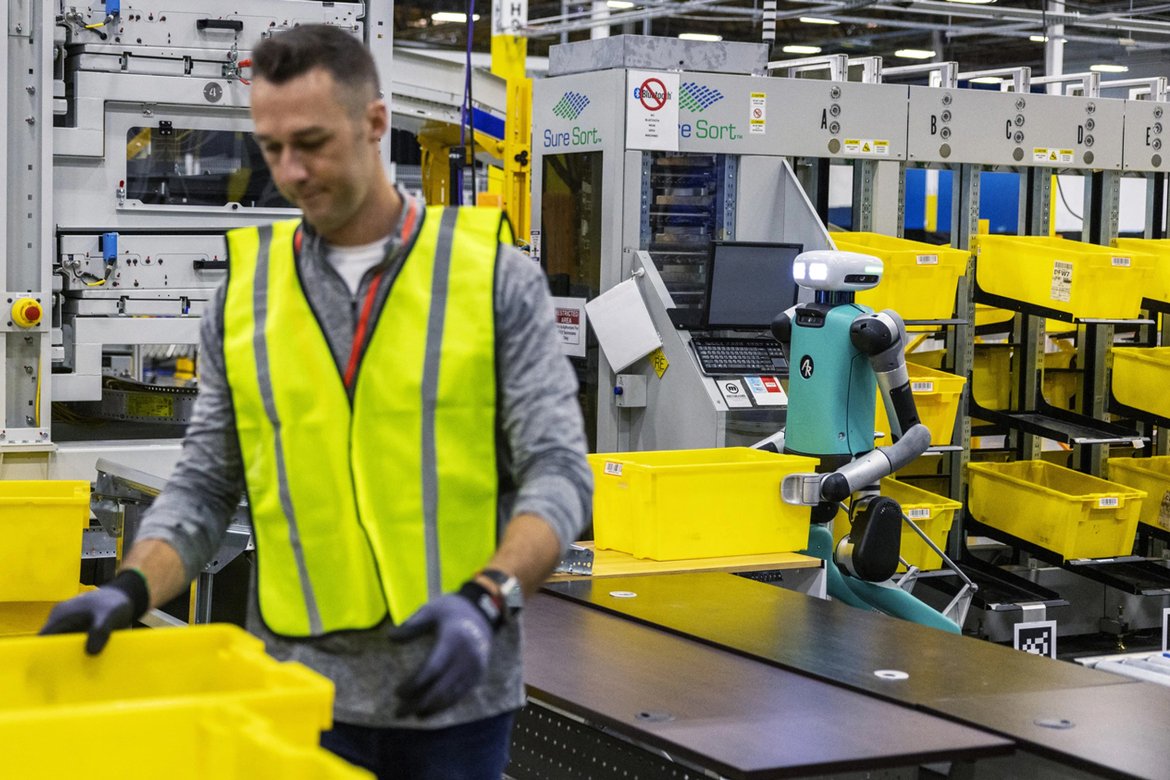
Agility has more than $300 million in booked, multi-year revenue representing approximately 1,000 robots committed under a robots-as-a-service model in which customers pay monthly rather than purchasing outright. Customers include GXO Logistics, Amazon, Toyota Motor Manufacturing Canada, Schaeffler, and Mercado Libre. Johnson described the pipeline as beyond pilots: “Everybody on our list right now is already vetted, and they have deployment plans behind their proof of concepts.”
Proceeds from the SPAC will fund production ramp-up at Agility’s 70,000-square-foot manufacturing facility in Salem, Oregon, and fulfill the existing order pipeline. Johnson said the SPAC structure was chosen for timing and first-mover advantages rather than to avoid traditional IPO scrutiny, and acknowledged the troubled history of the 2021 SPAC wave without apparent concern: “If we just keep our head down, keep delivering customer by customer, robot by robot, we hopefully won’t experience the same volatility.”
Digit’s Design Philosophy
The Digit robot stands 5’9″, weighs approximately 160 pounds, and is built around one purpose: moving heavy objects in human-built industrial spaces. Its reverse-bend “bird” knees allow it to reach from floor level to overhead shelving without colliding with warehouse racking. Its two-thumb, two-finger hands are optimized for gripping heavy plastic totes under load. Agility’s founders, Johnson noted, were not interested in biomimicry for its own sake.
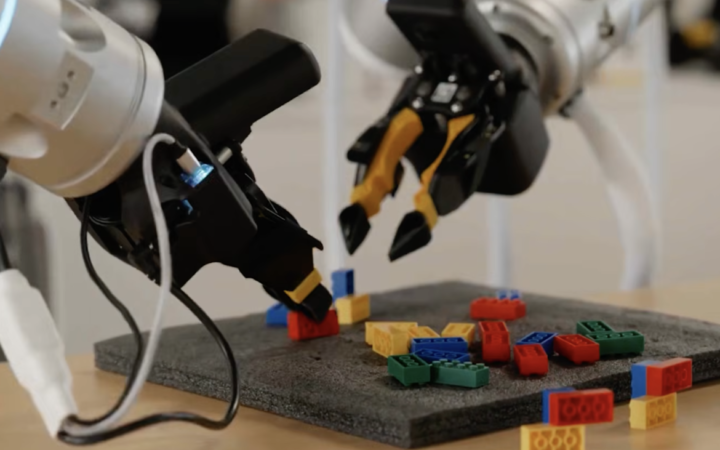
On AI, Agility is “LLM-agnostic”, drawing on models including Claude and Gemini for what Johnson calls the semantic layer – translating high-level human instructions into robot behavior. She described a test in which Digit was told simply to “clean up this mess” after engineers scattered different types of trash on a floor. The robot assessed, sorted, and binned everything correctly, including correctly identifying bubble wrap as non-recyclable.
Safety as the Real Competitive Moat
Johnson identified safety certification – not AI capability or hardware specification – as the widest competitive gap between Agility and its rivals. Operating inside customer facilities requires meeting actual industrial safety standards covering electrical systems, mechanical components, and software. “You can’t build your robot and then make it safe. That’s a redesign,” she said. “You have to have all of the safety certified.”
The physical AI data advantage follows from that deployment history. “The LLMs had the entire internet to train on,” Johnson said. “When you think about the physical AI of humanoids – that doesn’t quite exist yet.” At most companies. Johnson believes Agility has built what may be the largest operational robotics data lake in real-world environments through more than a decade of actual industrial deployment.
The Home Market: Ten-Plus Years
On the question of home robots, Johnson was direct. “10-plus years,” she said of the timeline. Homes are fundamentally different from warehouses – chaotic, with dogs, children, visitors, and objects in unpredictable configurations. “At least roads have some discipline to them,” she added, comparing the challenge to autonomous vehicles. “Most of the areas that humanoids will be operating in don’t.” Agility is not ruling out the home market, but is focused entirely on the industrial opportunity in the near term, where more than one million U.S. jobs in physically demanding roles remain unfilled.
Disclaimer: RobotsBeat is an independent media brand owned and operated by NuvexMedia LLC, publishing news, research, and insights on artificial intelligence, emerging technologies, automation, and related industries. NuvexMedia LLC invests in and collaborates with companies across the AI, Robotics, technology, software, and digital innovation sectors. These relationships do not influence RobotsBeat's editorial coverage, and the publication maintains full editorial independence to provide accurate, timely, and objective information. © 2026 NuvexMedia LLC. All rights reserved. This content is for informational purposes only and should not be considered legal, tax, investment, financial, or other professional advice.