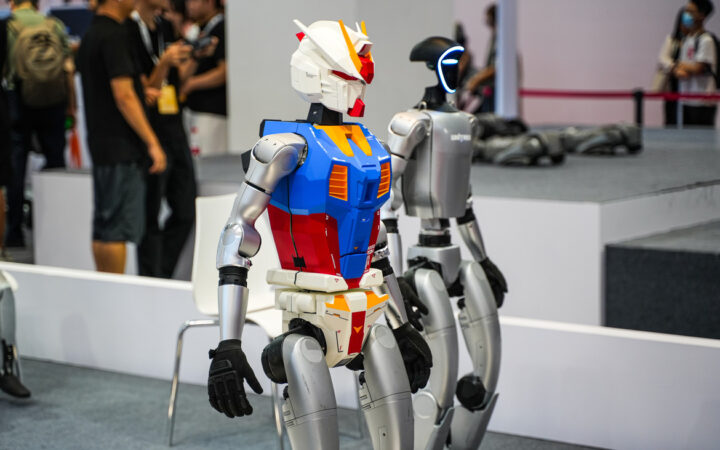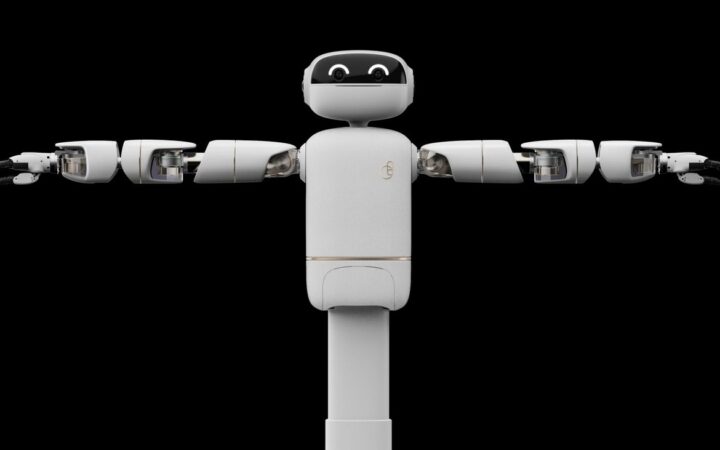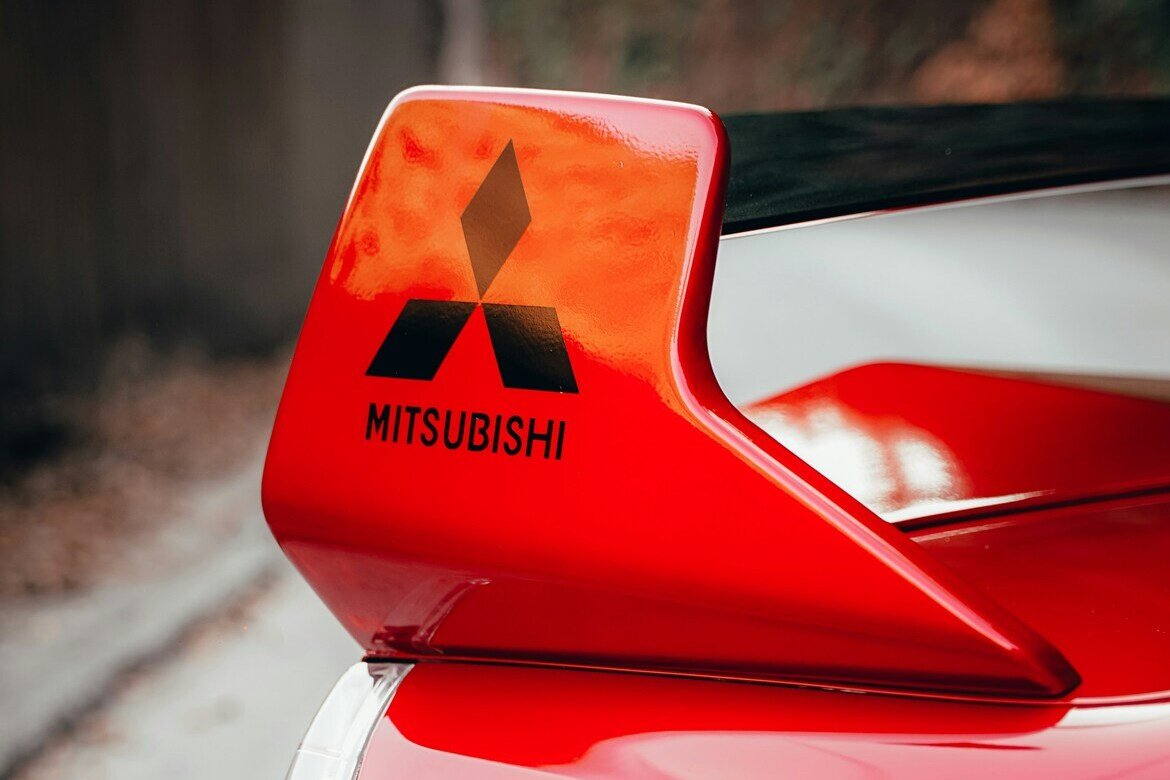

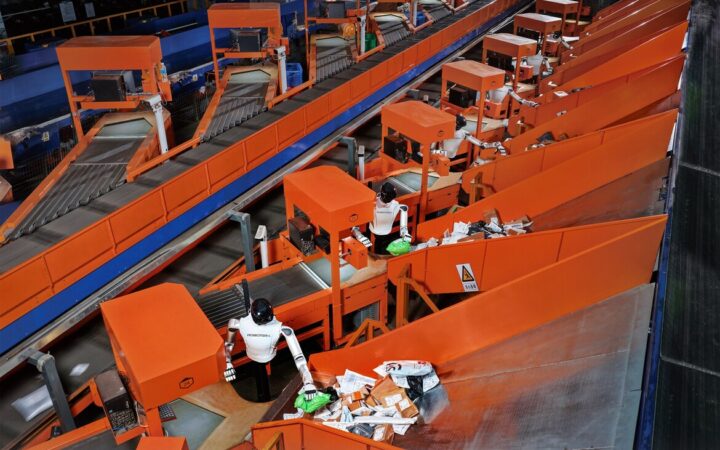
Mitsubishi Motors and Highlanders, a humanoid robotics startup originating from the University of Tokyo, have signed a memorandum of understanding to jointly develop humanoid robots for deployment at Mitsubishi Motors’ manufacturing facilities and explore mass production of Highlanders’ robots at the Kyoto Plant. The companies describe the arrangement as the first collaboration of its kind between an automotive manufacturer and a humanoid robot developer involving mass production. Mitsubishi Motors has already invested in Highlanders and plans to make further investments.
The Kyoto Plant production feasibility study is targeting a start date in early 2027, utilizing currently unused buildings on the site. If viable, the arrangement would give Highlanders access to Mitsubishi’s proven mass-production engineering, quality assurance, durability and safety design, integrated mechatronics control technologies, and factory operations infrastructure – capabilities that a university-spinout startup cannot build independently at the speed commercial timing requires.
The Deployment and Data Strategy
The MOU’s first practical step is deployment of Highlanders’ humanoid robots within Mitsubishi Motors’ own manufacturing facilities. The company intends to accumulate operational data and manufacturing know-how through real production use before determining the scope of future development. This factory-as-proving-ground approach mirrors the strategies being pursued by BMW with Figure AI and Hexagon, Hyundai with Boston Dynamics’ Atlas, and UBTECH with Hitachi – where the automaker’s or industrial operator’s own facility serves simultaneously as the primary test environment and the first commercial deployment site.
For Highlanders, the operational partner relationship provides the real-world performance data that physical AI systems require to improve, in an environment far more demanding than any laboratory can replicate. For Mitsubishi Motors, the arrangement provides robotics capability without building a robot development organization from scratch, and positions the company in a sector where Japanese automakers have been notably slower than their Korean and Chinese counterparts to make commitments.
Japan’s Manufacturing Context
Japan’s industrial sector faces compounding labor pressure: a shrinking and aging domestic workforce, increasingly sophisticated manufacturing requirements, and the need for more flexible production systems capable of handling varied vehicle configurations as electrification accelerates. Mitsubishi Motors framed the Highlanders partnership explicitly in this context, positioning humanoid robots as a structural response to workforce challenges rather than a productivity optimization.
“Our collaboration with Highlanders represents a challenge aimed at building a new industrial foundation in which humans and robots work together,” said Takao Kato, Chairman and CEO of Mitsubishi Motors. “By utilizing humanoid robots in our own manufacturing facilities and supporting the production of Highlanders products, we aim to leverage the outcomes of this collaboration to drive our growth and enhance corporate value.”
Highlanders CEO Hiroya Masuoka said achieving domestic humanoid robot mass production through the partnership represents a significant step toward the company’s mission of addressing industrial challenges through robotics and physical AI. Japan currently has no domestic humanoid robot manufacturer operating at commercial production scale, and the Kyoto Plant arrangement, if it proceeds on the 2027 timeline, would be a meaningful step toward changing that.
Disclaimer: RobotsBeat is an independent media brand owned and operated by NuvexMedia LLC, publishing news, research, and insights on artificial intelligence, emerging technologies, automation, and related industries. NuvexMedia LLC invests in and collaborates with companies across the AI, Robotics, technology, software, and digital innovation sectors. These relationships do not influence RobotsBeat's editorial coverage, and the publication maintains full editorial independence to provide accurate, timely, and objective information. © 2026 NuvexMedia LLC. All rights reserved. This content is for informational purposes only and should not be considered legal, tax, investment, financial, or other professional advice.