
Robert Playter, chief executive of Boston Dynamics, will step down from his role, the company said this week, triggering investor speculation that parent company Hyundai Motor Group intends to accelerate the commercialization of its robotics portfolio.
The leadership change comes at a pivotal moment for Hyundai, which acquired a controlling stake in the Waltham, Massachusetts-based robotics firm in 2021. Shares of Hyundai Motor rose nearly 6 percent in Seoul trading following the announcement, while affiliate Kia also gained, reflecting market expectations that the automaker may move more aggressively to scale its robotics operations.
From Research Focus to Industrial Rollout
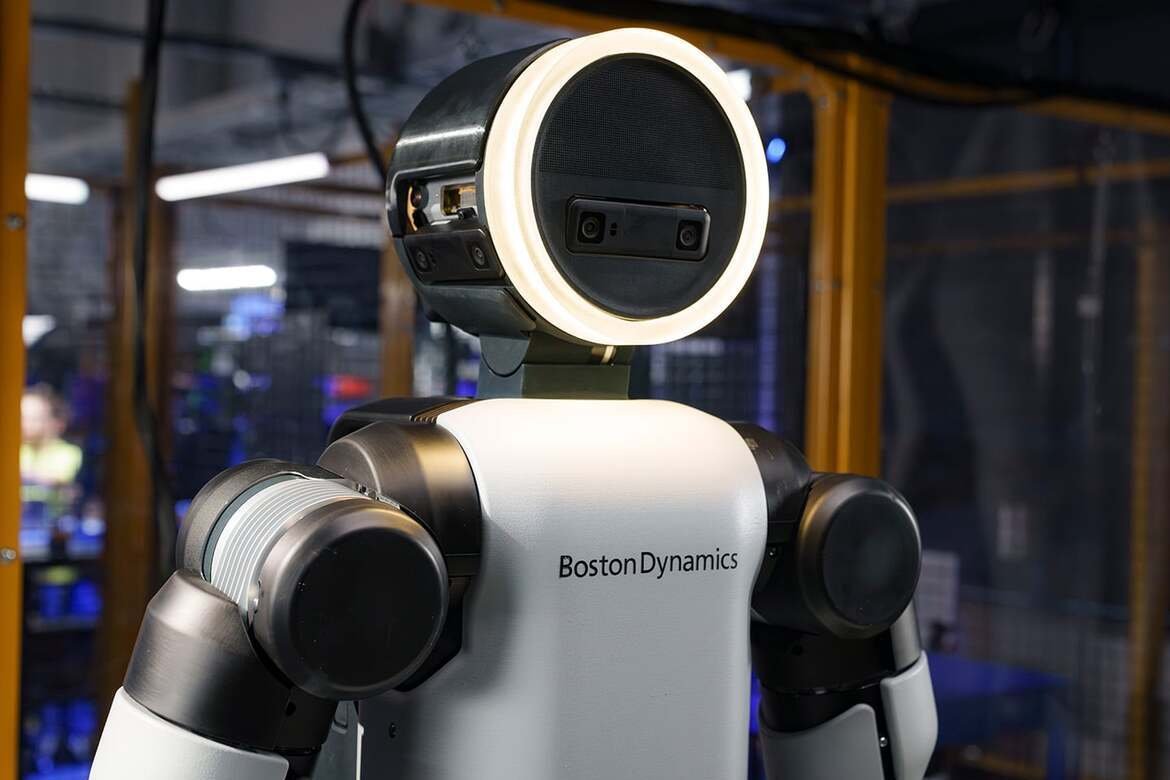
Analysts in Seoul suggested the stock reaction was tied directly to the management transition. Some characterized Playter’s tenure as heavily research and development oriented, focused on advancing the technical capabilities of platforms such as the Atlas humanoid and the quadruped Spot robot.
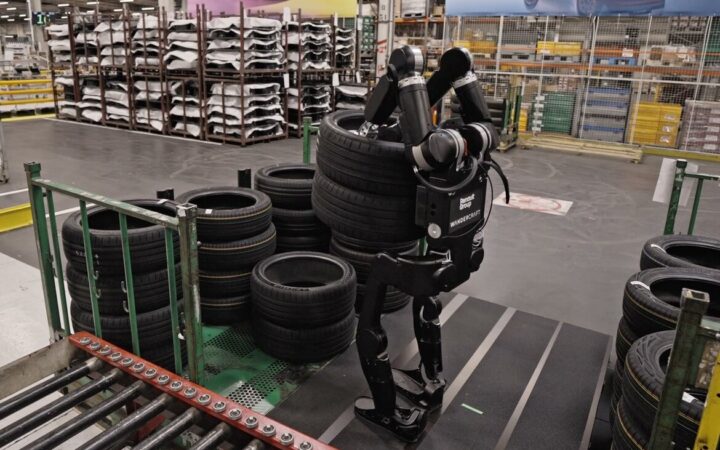
Hyundai, by contrast, appears increasingly focused on deployment. In January, the automaker said it plans to introduce humanoid robots produced by Boston Dynamics at its U.S. manufacturing plant in Georgia. The move signals a shift from high-profile demonstrations toward practical integration within automotive production lines.
Boston Dynamics has built its reputation on dynamic mobility, dexterous manipulation, and advanced control systems. But commercial success depends less on viral videos and more on reliability, safety, and cost efficiency inside real factories and logistics environments. Hyundai’s industrial footprint provides a natural proving ground.
Recent reports that Boston Dynamics’ quadruped robots have been deployed at a nuclear power facility in the United Kingdom also reinforced investor confidence, suggesting that the company’s machines are beginning to generate meaningful enterprise use cases beyond pilot programs.
Hyundai’s Broader Robotics Strategy
Hyundai has framed robotics as a long-term growth pillar alongside electric vehicles and autonomous driving. The company has repeatedly described robotics as integral to its vision of future mobility, which extends beyond cars to smart factories and automated infrastructure.
The timing of the CEO transition aligns with that broader strategy. As humanoid robots edge closer to real-world industrial deployment, governance and operational discipline become more critical. Scaling production, integrating robots into complex manufacturing systems, and managing global supply chains require a different organizational emphasis than early-stage research.
Investors appear to be betting that Hyundai will leverage its capital resources and manufacturing expertise to move Boston Dynamics from a technology showcase to a revenue-generating industrial division. The positive share reaction suggests confidence that commercialization, rather than experimentation, is becoming the priority.
A Turning Point for Humanoid Robotics
The shift also reflects wider dynamics across the robotics industry. Humanoid platforms are advancing rapidly, with multiple companies planning expanded production runs this year. But sustained growth will depend on proving economic value inside factories, warehouses, and infrastructure sites.
Boston Dynamics remains one of the most technically advanced players in the field. The question now is whether it can translate that technical edge into scaled deployments under Hyundai’s ownership.
Leadership transitions often mark inflection points. In this case, the market response indicates that investors view the change less as instability and more as a signal that robotics is moving from the lab to the balance sheet.
Disclaimer: RobotsBeat is an independent media brand owned and operated by NuvexMedia LLC, publishing news, research, and insights on artificial intelligence, emerging technologies, automation, and related industries. NuvexMedia LLC invests in and collaborates with companies across the AI, Robotics, technology, software, and digital innovation sectors. These relationships do not influence RobotsBeat's editorial coverage, and the publication maintains full editorial independence to provide accurate, timely, and objective information. © 2026 NuvexMedia LLC. All rights reserved. This content is for informational purposes only and should not be considered legal, tax, investment, financial, or other professional advice.