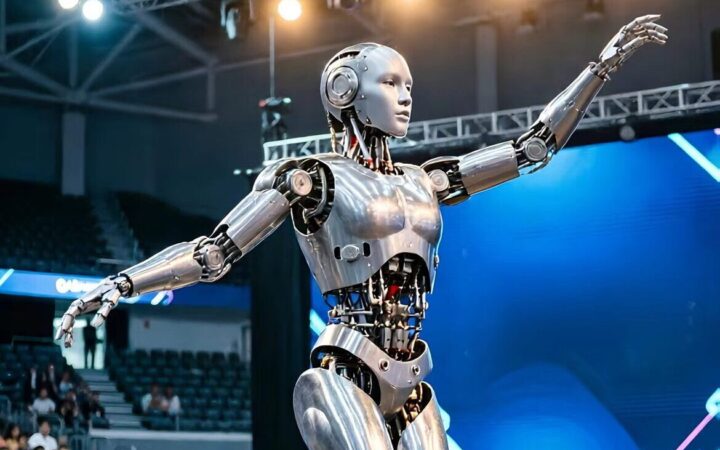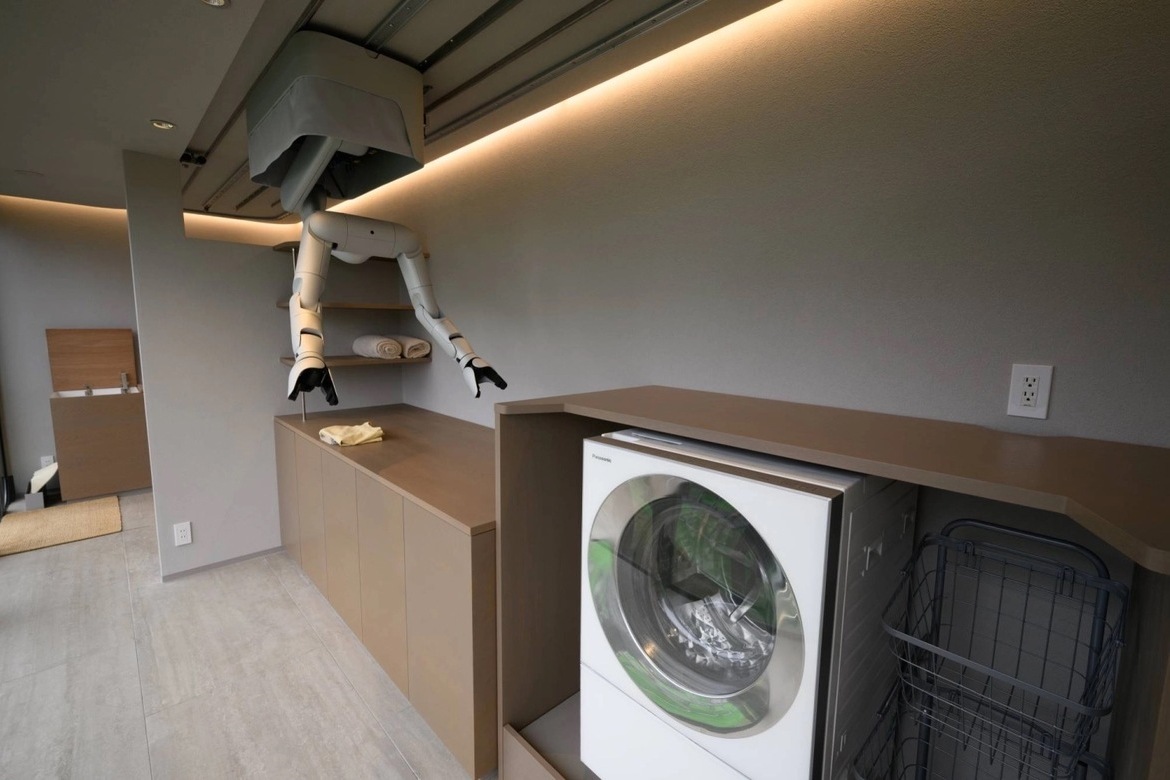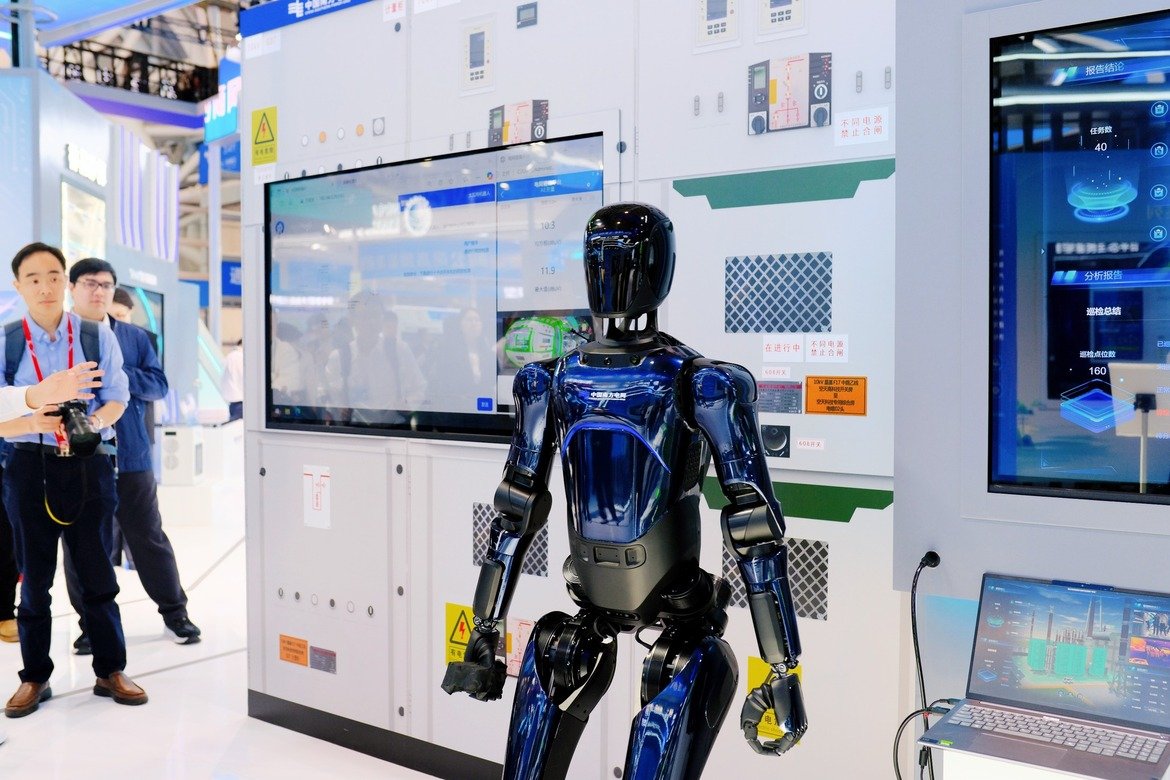

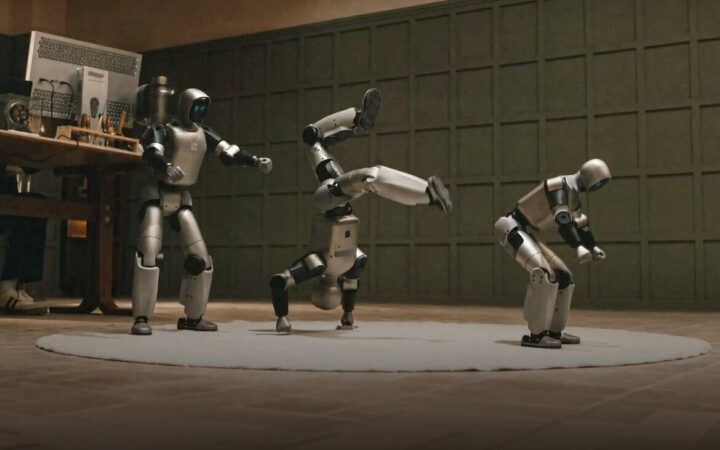
China Southern Power Grid, the state-owned utility supplying electricity to 272 million people across five Chinese provinces, is training humanoid robots to perform substation inspections and basic electrical maintenance. At a laboratory within the company’s Guangdong operation, a cohort of robots is learning by mimicking young engineers – opening and closing control boxes, switching equipment on and off, and checking for electrical leakage using insulating rods.
The program reflects a broader effort by Chinese state enterprises to deploy robotics in infrastructure roles where labor demand is high, conditions are physically demanding, and error carries significant operational consequence.
What the Robots Are Being Trained to Do
The current training program covers six operational scenarios and 15 discrete skills. Robots have already been deployed and field-tested in some of these scenarios since last year. Tasks include inspecting transmission line insulators, detecting fractures in steel cores, and tightening screws on elevated equipment – work that must be carried out regardless of weather conditions.
“Taking a 500 kV substation as an example, there are thousands of pieces of equipment to inspect and nearly ten thousand inspection points,” said Li Duanjiao, head of the company’s robotics laboratory. “The work must be carried out under intense sunlight, in the rain, or during storms. When performed manually, the workload is enormous and highly repetitive.”
The utility uses a mixed fleet. Humanoid robots handle manipulation tasks at control equipment. A quadruped robot named Feiyun, capable of carrying loads up to 100 kilograms, transports robotic arms into field locations – a logistics role previously performed by human workers. Drones carry out aerial inspections. The company refers to these systems collectively as “digital employees”.
The Infrastructure Case for Robotics
Power grid maintenance is a natural fit for the current generation of industrial robots. The work is structured enough to be codified into repeatable sequences, physically demanding enough to strain human workforces, and geographically distributed enough – particularly in remote mountainous terrain – that labor deployment is expensive and slow.
Li said robots are gradually replacing humans in the most repetitive and remote inspection tasks, with the program expanding as training data accumulates from field deployments.
UBTECH Robotics, a Shenzhen-based private company, has taken a parallel approach in automotive manufacturing, deploying robots to transport materials and select components on car production lines. The company also developed one of the first robots capable of autonomous battery swapping. Tan Min, a company representative, estimated that five to ten years remain before robots are widely adopted across industries at scale – a timeline he tied directly to the volume of real-world training data still needed to advance the underlying AI.
Data as the Binding Constraint
The power grid program illustrates a challenge that applies across the sector: robots improve through real-world exposure, but real-world deployment requires robots capable enough to operate safely. China Southern Power Grid’s laboratory approach – structured mimicry training followed by controlled field deployment – is one model for managing that transition.
With more than 150 humanoid robot manufacturers active in China, the near-term competition is not primarily over hardware specifications but over which companies and institutions can accumulate sufficient operational data to make their systems reliable in unstructured, high-stakes environments. Infrastructure operators like China Southern Power Grid, with clearly defined task sets and existing engineering workforces to train from, are positioned to generate that data faster than most.
Disclaimer: RobotsBeat is an independent media brand owned and operated by NuvexMedia LLC, publishing news, research, and insights on artificial intelligence, emerging technologies, automation, and related industries. NuvexMedia LLC invests in and collaborates with companies across the AI, Robotics, technology, software, and digital innovation sectors. These relationships do not influence RobotsBeat's editorial coverage, and the publication maintains full editorial independence to provide accurate, timely, and objective information. © 2026 NuvexMedia LLC. All rights reserved. This content is for informational purposes only and should not be considered legal, tax, investment, financial, or other professional advice.