Deprecated: trim(): Passing null to parameter #1 ($string) of type string is deprecated in /home/u752143311/domains/robotsbeat.com/public_html/wp-content/plugins/wordpress-seo/src/presenters/rel-prev-presenter.php on line 70
Deprecated: rtrim(): Passing null to parameter #1 ($string) of type string is deprecated in /home/u752143311/domains/robotsbeat.com/public_html/wp-includes/formatting.php on line 2837
Engineers at Duke University have created modular building blocks whose stiffness, damping, and motion can be reprogrammed on demand – without changing their shape.
By Daniel Krauss
Published:
Updated:
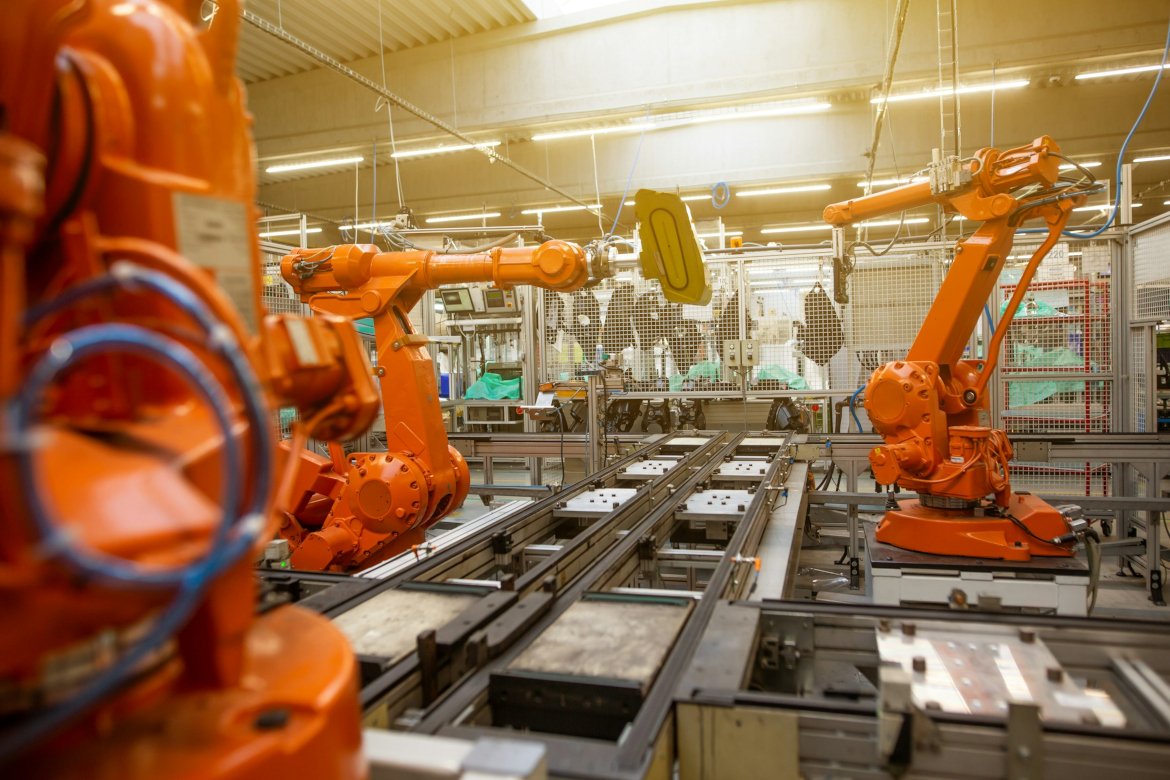
Lego-like modular blocks developed at Duke University can switch between soft and rigid behaviors, allowing engineers to reprogram motion and mechanical response without altering form. Photo: FORTYTWO / Unsplash
Mechanical engineers at Duke University have developed a new class of programmable materials that blur the line between passive structures and living systems. The work, which was published inScience Advances, demonstrates solid building blocks whose mechanical behavior can be rewritten on demand – allowing the same structure to behave like soft rubber, rigid plastic, or something in between without being rebuilt or reshaped.
At the center of the research are Lego-like cubes, each composed of 27 internal cells. Every cell contains a gallium-iron composite that can switch between solid and liquid states at room temperature. By selectively heating individual cells with small electrical currents, researchers can liquify precise regions inside the block, effectively encoding stiffness, damping, and movement into an otherwise rigid object.
The geometry never changes. Only the internal state does.
In early demonstrations, the team assembled multiple cubes into beams and columns. Simply altering which internal cells were liquified caused the same structure to bend, vibrate, or resist motion in dramatically different ways. Mechanical behavior was no longer fixed at the time of manufacture but became a variable that could be adjusted repeatedly after assembly.
One of the most striking experiments took place underwater. Researchers connected ten cubes into a straight column and attached it to a motor, forming a programmable tail for a robotic fish. With the same motor input, different internal configurations caused the fish to swim along sharply different paths. Motion was altered not by changing motors or control software, but by reprogramming the material itself.
“We want to make materials that are alive,” said Yun Bai, the study’s first author and a PhD student at Duke. “Traditional manufacturing lets you print a material with a certain stiffness, but to change it you have to start over. We wanted something closer to human muscle – a material that can adjust its mechanical response in real time.”
Unlike shape-shifting systems, the Duke approach does not rely on changing form. Instead, it rewrites how forces propagate through a structure. In two-dimensional tests, thin sheets made from the same composite demonstrated a wide range of stiffness and damping behaviors while maintaining identical shapes. In performance tests, the sheets rivaled or exceeded commercially available materials across multiple mechanical metrics.
The modular design adds another layer of flexibility. Each cube can be attached or removed like a building block, allowing engineers to assemble larger systems with highly customized mechanical behavior. Once a configuration has been tested, freezing the structure at zero degrees Celsius returns all internal cells to a solid state, effectively resetting the system for reprogramming.
“This gives us a way to build three-dimensional structures whose mechanical properties are not fixed,” Bai said. “You can test one configuration, reset it, and try another – again and again.”
The researchers see applications far beyond robotics. By adjusting the metal composition, the freezing and melting points could be tuned for environments such as the human body. Miniaturized versions could one day navigate blood vessels, form adaptive medical implants, or create electronics that physically respond to changing conditions.
“Our long-term goal is to construct larger systems using these composite materials,” said Xiaoyue Ni, an assistant professor of mechanical engineering and materials science at Duke. “We want to enable robots and machines to adapt mechanically to different tasks and environments without redesigning the entire system.”
The work suggests a future where materials are no longer passive components, but active participants – structures that can be programmed, reset, and adapted as easily as software.
Waymo has secured $16 billion in new funding to expand its autonomous ride-hailing service, accelerate fleet deployment, and support international launches in Europe and Asia.
By Daniel Krauss
Published:
Updated:
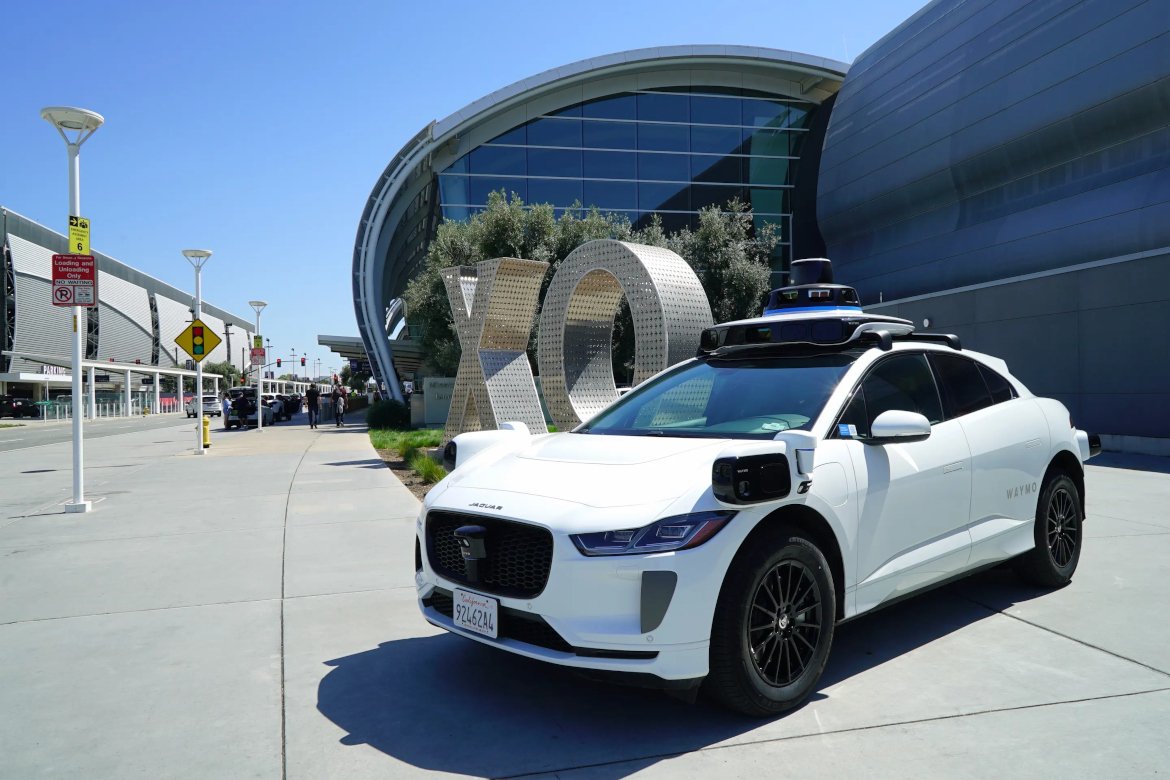
Waymo is raising fresh capital to expand its autonomous robotaxi fleet, scale operations, and push its self-driving service into new global markets. Photo: Waymo
Waymo has raised $16 billion in a major new investment round, signaling renewed momentum behind autonomous ride-hailing as the company moves to scale operations beyond its early U.S. strongholds. The funding positions Waymo to significantly expand its robotaxi fleet, invest in infrastructure, and accelerate launches in international markets including Europe and Asia.
The round underscores growing confidence that autonomous driving is shifting from long-running pilot programs into a capital-intensive phase of real-world deployment. Waymo said the funding will support vehicle procurement, fleet operations, mapping, safety validation, and continued development of its autonomous driving system.
Waymo is widely regarded as the most mature self-driving operator in the market, with fully driverless commercial services already running in Phoenix, San Francisco, and Los Angeles. Riders in these cities can summon autonomous vehicles without a safety driver, marking a milestone that most competitors have yet to reach.
Scaling Fleets and Expanding Globally
A central goal of the new capital is rapid fleet expansion. Waymo plans to add thousands of vehicles over the coming years, increasing ride availability and reducing wait times in existing markets. The company is also preparing for launches in new U.S. cities while laying the groundwork for international deployments.
Executives have pointed to London and Tokyo as priority markets, reflecting a broader strategy to enter dense, regulation-heavy cities where ride-hailing demand is high and public transit integration is critical. These expansions will require close coordination with regulators, city governments, and transportation agencies, as well as localized mapping and safety validation.
Waymo’s approach differs from earlier autonomy hype cycles by focusing on controlled geographic rollouts rather than nationwide launches. The company has emphasized that scaling safely, even if slower, is essential to long-term viability and public trust.
From Moonshot to Business Unit
Originally founded as a self-driving research project inside Google, Waymo has evolved into a core subsidiary of Alphabet. The latest fundraising reflects its transition from experimental technology to operational transportation business, with unit economics now under closer scrutiny.
Waymo generates revenue through ride-hailing and commercial partnerships, but profitability remains a long-term goal. Autonomous fleets require heavy upfront investment in vehicles, sensors, compute, and operations, making scale essential to improving margins. The company has said the new funding gives it the runway needed to reach that scale without compromising safety standards.
Industry analysts note that Waymo’s progress has helped reset expectations across the autonomous vehicle sector, which has seen several high-profile retrenchments and shutdowns over the past two years.
Competitive Landscape and Investor Confidence
While rivals such as Cruise, Zoox, and various Chinese autonomous driving firms continue development, Waymo remains the clear leader in fully driverless commercial operations. Its ability to raise $16 billion in a challenging capital environment highlights investor belief that autonomy, while slower than once promised, still represents a transformative shift in transportation.
The funding also reflects broader interest in physical AI systems that operate reliably in the real world, a theme gaining traction across robotics, logistics, and industrial automation.
Waymo said it will continue to prioritize safety, transparency, and incremental expansion as it deploys the new capital. For the autonomous vehicle industry, the round marks one of the clearest signs yet that robotaxis are moving from experimental novelty toward global infrastructure.
Wandercraft has enrolled the first patient in a clinical trial of its Atalante X exoskeleton, marking a key step toward broader medical deployment of autonomous walking systems.
Wandercraft has enrolled the first patient in a clinical trial evaluating its Atalante X exoskeleton, a milestone that brings the company closer to expanding the use of autonomous robotic walking systems in rehabilitation settings. The trial is designed to assess safety, performance, and therapeutic outcomes for patients undergoing gait rehabilitation.
The enrollment represents a significant step for Atalante X, which is intended for use in hospitals and rehabilitation centers. Unlike many powered exoskeletons that require crutches or walkers, Atalante X is designed to operate hands-free, allowing patients to walk, turn, and stop autonomously under clinical supervision.
Wandercraft’s technology targets patients with neurological or mobility impairments who require intensive gait therapy, an area where staffing constraints and physical demands often limit treatment frequency and duration.
Autonomous Walking in Rehabilitation
Atalante X builds on Wandercraft’s earlier Atalante platform, which has been used in rehabilitation centers across Europe. The system uses a combination of onboard sensors, real-time control algorithms, and dynamic balance technology to enable stable walking without external support.
The exoskeleton is designed to adapt to each patient’s gait and posture, allowing clinicians to customize therapy sessions based on individual needs. By enabling hands-free movement, the system aims to promote more natural walking patterns and reduce the physical burden on therapists, who often must support patients manually during sessions.
In the clinical trial, researchers will evaluate how patients interact with the system over time, including measures of comfort, safety, and functional improvement. Data collected during the trial will help inform regulatory submissions and guide future product development.
From Research to Clinical Validation
Clinical validation is a critical step for robotic rehabilitation technologies, where safety standards are high and real-world performance can differ significantly from laboratory demonstrations. Wandercraft’s trial will assess Atalante X in controlled clinical environments, with close monitoring by medical professionals.
The company has emphasized that the goal is not to replace therapists, but to augment rehabilitation teams by enabling longer and more consistent therapy sessions. Autonomous exoskeletons can allow patients to practice walking repeatedly, which is often essential for neurological recovery.
Wandercraft’s approach reflects a broader trend in medical robotics toward systems that combine advanced autonomy with clinician oversight, balancing efficiency with patient safety.
Expanding the Role of Physical AI in Healthcare
The Atalante X trial comes amid growing interest in physical AI systems that can operate safely in close proximity to humans. In healthcare, robotics companies are increasingly focused on technologies that address labor shortages while improving patient outcomes.
By enrolling its first patient, Wandercraft moves Atalante X from development into a formal evaluation phase that could pave the way for wider adoption. Successful trial results could support expanded use in rehabilitation centers and potentially open the door to additional indications.
As healthcare systems face rising demand for rehabilitation services, autonomous exoskeletons like Atalante X are being positioned as tools that can help scale therapy without compromising quality. The outcome of Wandercraft’s clinical trial will be closely watched as an indicator of how quickly such systems can move from specialized use to standard care.
New York Robotics has formally launched as the Tri-State region surpasses 160 robotics startups, signaling New York’s rise as a major global center for robotics and physical AI.
By Laura Bennett
Published:
Updated:
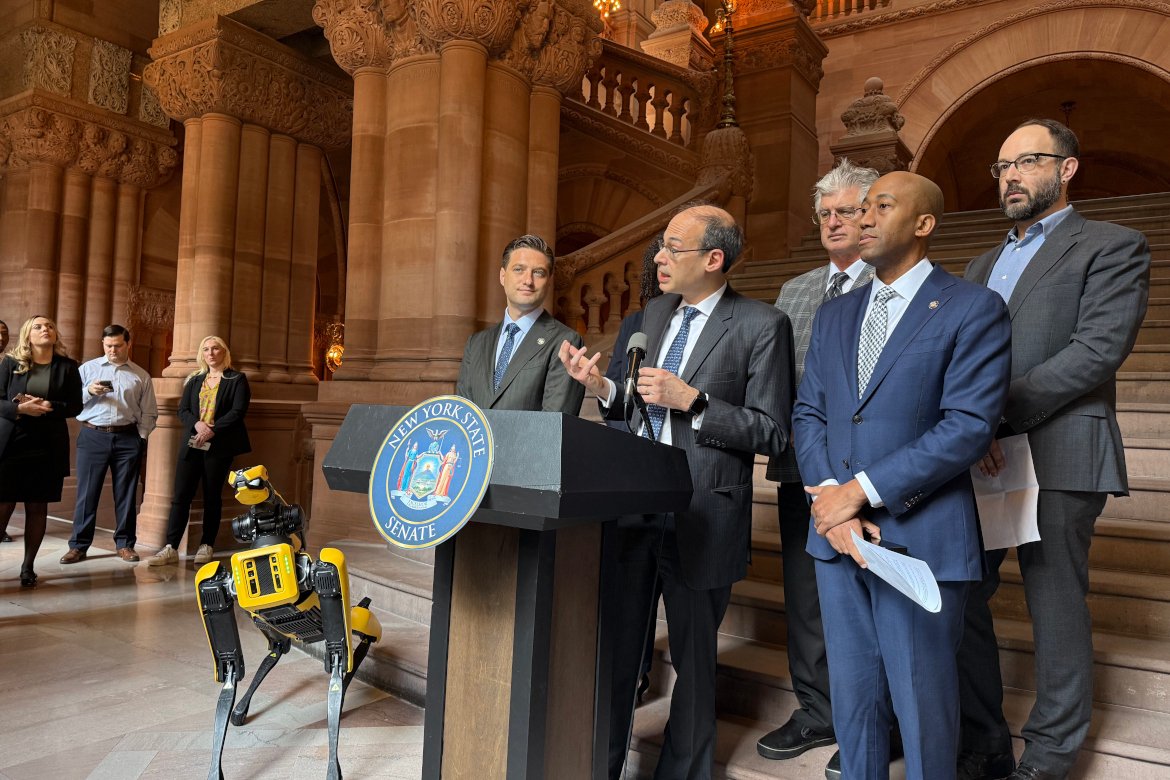
Robotics startups and research teams gather in New York City as the region rapidly expands into a global hub for robotics and physical AI innovation. Photo: New York Robotics
New York Robotics has formally launched amid a surge in robotics investment, startup formation, and talent concentration across the New York Tri-State region. The announcement marks a turning point for New York’s robotics sector, which now counts more than 160 robotics startups across New York, New Jersey, and Connecticut, with nearly 100 based in New York City alone.
“Our vision is to leverage New York’s central role in the global economy to build a leading robotics hub,” said Jacob Hennessey-Rubin, founding board member and executive director of New York Robotics. “This is a place where founders, researchers, enterprises, and investors can collaborate to shape the future of robotics, while positioning the sector as a serious investment category on Wall Street.”
The milestone signals New York’s emergence as a serious global contender in robotics and embodied AI, joining established hubs such as Boston, Silicon Valley, Pittsburgh, Munich, and Zurich. Long viewed as strong in finance, media, and enterprise software, New York is increasingly becoming a center for robotics commercialization as the technology moves from research into real-world deployment.
A Dense and Expanding Robotics Network
New York Robotics was formed to address a long-standing gap in the region’s innovation landscape. While the city has deep pools of capital, customers, and technical talent, robotics activity historically developed in silos. NYR’s mission is to unify startups, investors, enterprises, researchers, and government organizations into a coordinated ecosystem capable of supporting companies from early research through large-scale deployment.
Over the past two years, New York Robotics has quietly assembled one of the most comprehensive robotics networks in the United States. The organization now engages more than 450 robotics startups worldwide, including over 160 in the Tri-State region, alongside more than 80 corporations, 20 academic institutions, 40 research labs, 300 venture capital firms, and dozens of domestic and international government organizations.
Founding members include organizations such as J.P. Morgan, New York University, AlleyCorp, EisnerAmper, and Cybernetix Ventures. The group has also hosted or co-hosted more than 20 ecosystem events, including the first dedicated robotics programming at NY TechWeek, helping elevate robotics as a visible and strategic sector within the city’s broader technology economy.
NYR’s official launch coincided with its sponsorship of AlleyCorp’s inaugural Deep Tech NY conference, underscoring the growing convergence of robotics, capital, and enterprise demand in the region.
Capital, Talent, and Commercial Pull
Unlike many robotics hubs driven primarily by academic research, New York’s ecosystem is shaped by proximity to enterprise customers in finance, healthcare, logistics, construction, and real estate. This commercial pull is attracting startups focused on deploying robots in real operating environments rather than remaining confined to labs.
“We see New York Robotics as a kind of exchange,” said Randy Howie, founding board member and managing partner of New York Robotics. “It’s a platform where startups, enterprises, investors, academia, and government can connect efficiently and translate robotics innovation into broad economic impact.”
Industry leaders echo that view. Founders point to New York’s ability to attract global engineering talent while offering access to industrial infrastructure in surrounding areas such as Long Island and New Jersey, where robotics companies can scale manufacturing and testing.
Mapping the Ecosystem
As part of its platform, New York Robotics recently released a private beta of the NYR Index, an ecosystem intelligence tool designed to map startups, investors, labs, and enterprise participants. The tool is intended to give partners visibility into deal flow, talent movement, and sector trends as robotics investment accelerates.
NYR has also partnered with organizations such as C10 Labs, an operator selected by NYCEDC for the NYC AI Nexus, to support applied AI ventures across robotics, advanced manufacturing, healthcare, and sustainability.
With robotics increasingly viewed as essential infrastructure for addressing labor shortages, productivity challenges, and demographic shifts, New York Robotics’ formal launch reflects a broader reality: New York is no longer just a consumer of robotics technology. It is becoming a place where the next generation of robots is built, funded, and deployed.
Tesla is signaling a strategic pivot away from its Model S and Model X vehicles as it prioritizes investment in autonomous driving systems and its Optimus humanoid robot program.
By Laura Bennett
Published:
Updated:
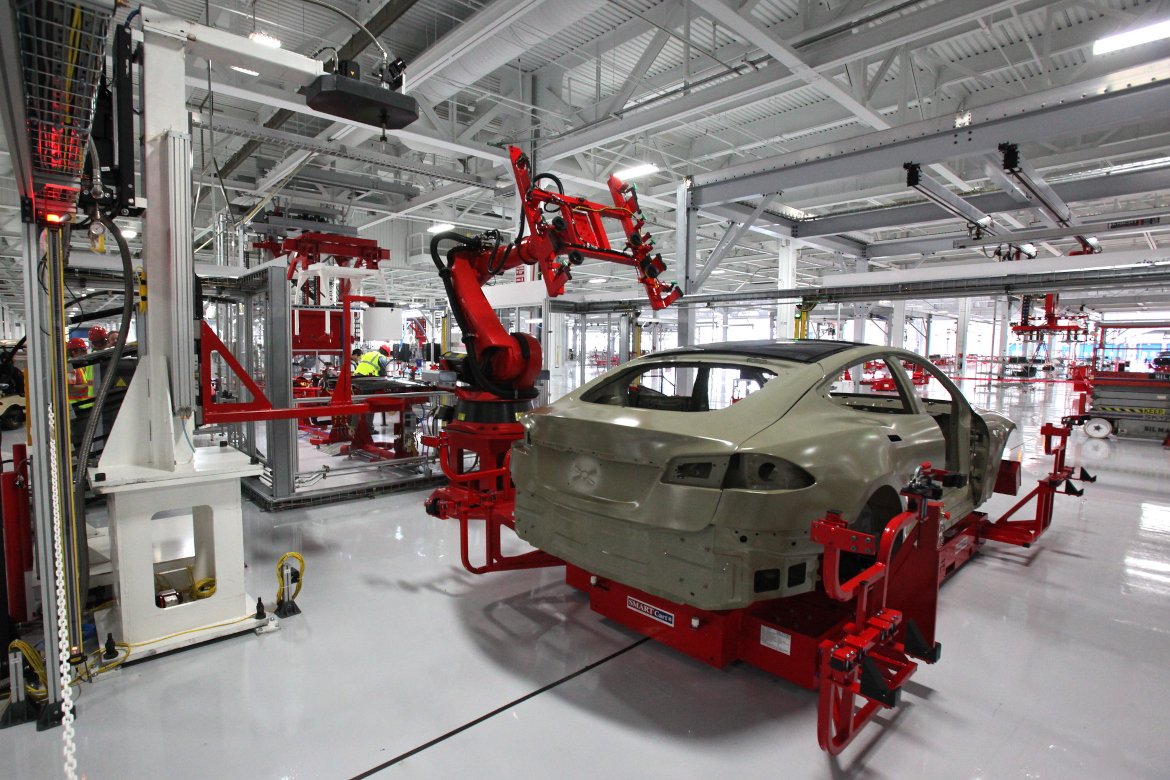
Tesla-built industrial robots operate on an automated vehicle assembly line, illustrating the company’s long-standing investment in factory automation and AI-driven manufacturing. Photo: Steve Jurvetson / Flickr
Tesla is signaling a major strategic realignment, with reports indicating the company is preparing to wind down production of its Model S and Model X vehicles while accelerating investment in autonomous driving and humanoid robotics. The move underscores Tesla’s growing emphasis on physical AI as a core pillar of its future business.
The Model S and Model X, once central to Tesla’s brand and early success, now represent a shrinking share of the company’s overall vehicle sales. As production volumes concentrate around the Model 3 and Model Y, Tesla appears increasingly willing to deprioritize its higher-end legacy models in favor of technologies with longer-term growth potential.
From Premium EVs to Physical AI
Tesla’s pivot aligns with repeated statements from Elon Musk, who has described humanoid robots as potentially more valuable than the company’s car business over time. Musk has argued that autonomous labor, enabled by general-purpose robots, could unlock economic value far beyond vehicle manufacturing.
The company’s Optimus humanoid robot is designed to perform repetitive and physically demanding tasks in factories, warehouses, and eventually service environments. Tesla has already begun testing Optimus inside its own facilities, using controlled environments to train robots while extracting immediate operational value.
Musk has framed this approach as a natural extension of Tesla’s autonomy stack. The same AI systems used for full self-driving vehicles — including vision-based perception, neural networks, and custom AI chips — are being adapted for humanoid robotics.
Billions Directed Toward Autonomy and Robots
Tesla is expected to invest tens of billions of dollars over the coming years into autonomous vehicles and humanoid robotics. Reports suggest combined spending on self-driving technology, AI infrastructure, and robotics could reach as much as $20 billion, reflecting the scale of the company’s ambitions.
These investments include expanded data center capacity, custom silicon development, and large-scale AI training. For Tesla, the goal is to create systems that can reason, navigate, and act reliably in complex real-world environments – whether on roads or factory floors.
While timelines remain aggressive, Musk has said that Optimus could reach limited commercial deployment within the next few years, initially focused on internal use cases before broader rollout.
A Broader Industry Shift
Tesla’s evolving priorities mirror a wider trend across the technology and automotive sectors. As electric vehicles mature and competition intensifies, manufacturers are searching for new growth engines beyond car sales. Robotics and physical AI have emerged as leading candidates, promising scalable applications across manufacturing, logistics, healthcare, and consumer services.
Ending or scaling back Model S and X production would mark the end of an era for Tesla’s original premium lineup. But it would also reinforce Musk’s long-held view that Tesla is not ultimately a car company, but an AI and robotics company that happens to build vehicles.
Whether Optimus can deliver on that vision remains an open question. Still, Tesla’s willingness to shift resources away from iconic vehicles highlights how seriously the company is betting on a robot-driven future.
Elon Musk told World Economic Forum attendees that humanoid robots could outnumber humans and enter mass markets as early as 2027, reshaping labor, economics, and daily life.
Elon Musk used his first appearance at the World Economic Forum to deliver some of his boldest predictions yet about the future of robotics, artificial intelligence, and human labor. Speaking to business and political leaders in Davos, Musk said humanoid robots could become widespread within the next few years and eventually surpass humans in number.
“Humanoid robots are coming very fast,” Musk said, predicting that commercially viable systems could reach the market by 2027. He described a future in which robots perform much of the physical work currently done by humans, fundamentally altering economic structures and labor markets worldwide.
Musk framed robotics as the next major technological wave after AI software, arguing that intelligence without a physical body is only part of the equation. Once AI systems can move, manipulate objects, and operate autonomously in the real world, he said, their economic impact will expand dramatically.
Robots, Labor, and Economic Disruption
According to Musk, the widespread adoption of humanoid robots could eliminate many forms of manual labor while creating entirely new economic models. He suggested that abundance driven by robotics could eventually reduce the cost of goods and services to near zero, forcing societies to rethink employment and income distribution.
“Once you have robots that can do everything humans can do physically, the output of the economy becomes enormous,” Musk said. He added that this transition could make traditional notions of scarcity less relevant, though it would also require careful management to avoid social disruption.
"It's better for your quality of life to be an optimist who's wrong, than a pessimist who's right," says @elonmusk in his final remarks at #WEF26. pic.twitter.com/OB2CFZXMDo
Musk acknowledged that such a shift would raise serious questions about jobs and inequality, but argued that technological progress has historically created more opportunity than it has destroyed. He pointed to automation in manufacturing and agriculture as precedents, though he conceded that humanoid robots would operate at a far broader scale.
Humanoid Robots by 2027
Musk’s timeline places humanoid robots closer to mass deployment than many industry analysts currently expect. He reiterated that Tesla is working toward commercializing its Optimus humanoid robot, initially targeting factory and industrial environments before expanding to broader applications.
He said early versions of humanoid robots would likely focus on repetitive and physically demanding tasks, helping to address labor shortages in manufacturing, logistics, and construction. Over time, Musk suggested, these systems could move into service roles and even household environments.
While Musk has previously set aggressive timelines that slipped, his Davos remarks reflect growing confidence across the technology sector that physical AI is approaching a tipping point. Advances in perception, motion control, and large-scale AI models are making robots more adaptable and economically viable.
Beyond Robotics
In addition to robotics, Musk also touched on broader themes including artificial general intelligence, space exploration, and long-term human survival. He reiterated his belief that AI development must be managed carefully to ensure it benefits humanity, while also expressing optimism that technological progress can solve many global challenges.
Despite skepticism from some attendees, Musk’s appearance underscored why robotics and physical AI have become central topics at Davos. As governments and corporations grapple with slowing productivity growth and demographic shifts, robots are increasingly viewed as both an opportunity and a disruption.
Musk concluded by suggesting that the question is no longer whether robots will become ubiquitous, but how societies choose to integrate them. If his predictions hold, the next decade could redefine not just technology, but the structure of human work itself.
OpenAI has quietly built a growing robotics lab with around 100 employees, focusing on data collection using robotic arms rather than developing a full humanoid robot.
By Rachel Whitman
Published:
Updated:
Robotic arms used in OpenAI’s internal robotics lab perform everyday manipulation tasks as the company experiments with physical AI and real-world data collection. Photo: Simon Kadula / Unsplash
OpenAI has quietly returned to hands-on robotics, building an internal lab dedicated to experimenting with physical AI systems, as first reported by Business Insider. According to people familiar with the work, the lab was launched in early 2025 and has since grown to around 100 employees, signaling a renewed commitment to understanding how artificial intelligence can operate in the physical world.
The effort marks a notable shift for OpenAI, which previously stepped back from robotics after winding down an earlier program in 2020. That earlier initiative produced a high-profile robotic hand capable of solving a Rubik’s Cube, but leadership ultimately chose to refocus on large-scale AI models. While OpenAI exited direct robot development at the time, it continued to back the sector financially, investing in companies such as Figure, 1X, and Physical Intelligence.
By late 2024, internal discussions reportedly resurfaced around whether OpenAI should once again build robotic systems in-house. Those conversations have now translated into an operational lab, although the current work remains deliberately narrow in scope.
A Data-First Approach to Robotics
Rather than developing a full humanoid robot, OpenAI’s lab is focused on gathering high-quality training data. Inside the facility, robotic arms perform repetitive household-style tasks such as placing bread into a toaster, folding laundry, or rearranging objects. These systems run for extended periods, generating large volumes of interaction data that engineers use to refine perception, control, and decision-making models.
The emphasis reflects a broader challenge in robotics: unlike language models, robots do not benefit from vast, readily available datasets. Physical interaction data must be created deliberately, often through slow and expensive real-world experimentation. OpenAI’s approach suggests it is prioritizing the foundations of physical intelligence before committing to a specific robot form factor.
Engineers reportedly evaluate whether each training cycle leads to measurable improvements, adjusting models and task setups accordingly. The process is incremental, but it allows OpenAI to study how general-purpose AI systems learn from repeated physical interaction.
From Robots to “Brains” for Robots
It remains unclear whether OpenAI ultimately intends to build its own humanoid robot. People close to the project suggest that the company may instead aim to develop general-purpose control and reasoning models that could power robots built by partners.
That strategy would be consistent with OpenAI’s broader role in the AI ecosystem, where it supplies foundational models rather than finished products. A robotics-focused foundation model could potentially be deployed across multiple platforms, from industrial arms to mobile manipulators and humanoid systems.
The company’s existing investments in robotics startups also point toward a collaborative rather than vertically integrated approach. By supplying the intelligence layer, OpenAI could influence the future of robotics without competing directly with hardware manufacturers.
Robotics Returns to the AI Agenda
OpenAI’s renewed interest in robotics comes amid a wider industry push toward physical AI. Advances in large language models, vision systems, and reinforcement learning have revived optimism that robots can move beyond tightly scripted tasks and operate more flexibly in real environments.
Still, the company appears cautious. While reports suggest OpenAI has discussed opening a second robotics lab, no public timeline exists for commercial products or humanoid robots. For now, the focus remains on experimentation, data, and learning how intelligence transfers from screens into the physical world.
Whether OpenAI ends up building robots, powering them, or both, its quiet return to robotics underscores a growing consensus across the AI sector: true general intelligence will not be confined to software alone.
Airbus has placed a six-figure order for humanoid robots from UBTech, marking one of the largest industrial deployments of humanoid robotics in aerospace manufacturing to date.
By Daniel Krauss
Published:
Updated:
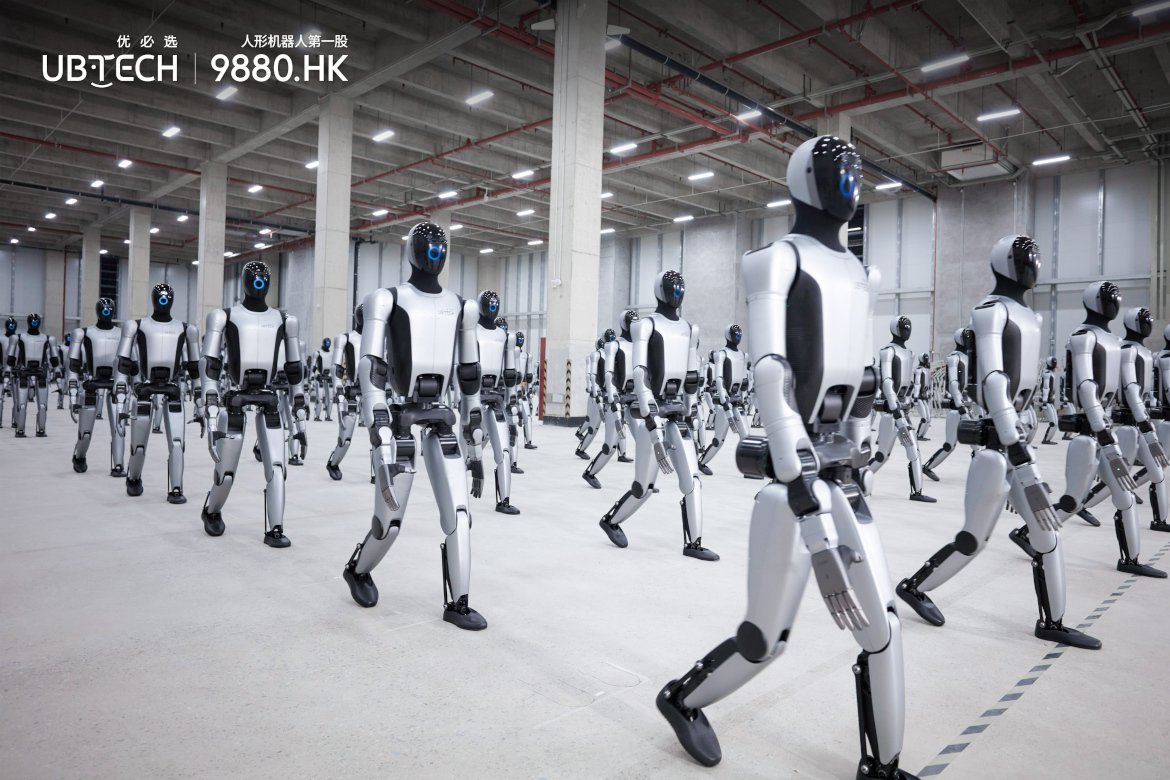
UBTech humanoid robots are being prepared for industrial deployment as Airbus expands the use of physical AI inside aircraft manufacturing facilities. Photo: UBTech / X
Airbus has taken a significant step toward automation in aircraft production by ordering a six-figure number of humanoid robots from UBTech Robotics. The purchase represents one of the largest commercial commitments yet for humanoid robots in heavy manufacturing and highlights how physical AI is beginning to move from pilot projects into real industrial workflows.
Meet the first humanoid robotic worker at SANY RE!
Watch UBTECH Walker S2 in action at China's first 5G-enabled wind power smart factory, where every move is a step toward a cleaner, more automated tomorrow.
The robots are expected to be deployed across Airbus facilities to support repetitive and physically demanding tasks involved in aircraft assembly. While Airbus has long used industrial automation, the move toward humanoid robots reflects a shift toward more flexible systems that can operate in environments originally designed for human workers.
UBTech’s shares surged following reports of the deal, underlining growing investor confidence that humanoid robotics is transitioning from experimentation to scalable industrial use.
From Industrial Automation to Humanoid Labor
Unlike traditional industrial robots that are fixed in place and optimized for a narrow set of motions, humanoid robots are designed to navigate complex workspaces, manipulate tools, and interact with equipment built for human hands. For aerospace manufacturing, where production lines involve tight spaces, variable tasks, and frequent reconfiguration, this flexibility is increasingly valuable.
Meet UBTECH New-Gen of #Industrial#Humanoid#Robot——#WalkerS2 makes industry-leading breakthroughs! • Building the dual-loop AI system: #BrainNet 2.0 & Co-Agent • 3mins autonomous battery swapping & 24/7 continuous operation • "Human-eye" Binocular Stereo Vision Perception pic.twitter.com/uPhxoYP5w0
Airbus has been evaluating humanoid robots as a way to address labor shortages, improve ergonomics, and increase consistency in assembly operations. The robots are expected to assist with material handling, inspection, and other repetitive processes that can strain human workers over long shifts.
The order places Airbus among a small but growing group of global manufacturers experimenting with humanoid robotics at meaningful scale, alongside automotive and logistics operators.
UBTech’s Industrial Push
UBTech, best known for its humanoid robot platforms designed for research and service applications, has been expanding aggressively into industrial markets. The company’s latest humanoid systems are built to operate autonomously in factory environments, combining computer vision, motion planning, and AI-driven manipulation.
The Airbus deal signals growing confidence in UBTech’s ability to meet industrial reliability and safety requirements, which remain a major barrier for humanoid robots operating alongside human workers. Aerospace manufacturing, in particular, demands high precision, repeatability, and compliance with strict safety standards.
For UBTech, the agreement represents a major validation of its strategy to position humanoid robots as a practical workforce augmentation tool rather than a futuristic novelty.
A Broader Shift Toward Physical AI
The Airbus order reflects a wider trend across global manufacturing, where companies are exploring physical AI systems that can reason, adapt, and act in real-world environments. Unlike conventional automation, humanoid robots promise to reduce the need for costly factory redesigns by fitting into existing workflows.
As labor markets tighten and production complexity increases, manufacturers are increasingly willing to test new forms of automation that offer both flexibility and scalability. Humanoid robots, while still early in their adoption curve, are emerging as a potential bridge between human labor and fully automated systems.
For Airbus, the deployment is expected to begin incrementally, with performance data guiding future expansion. If successful, humanoid robots could become a permanent fixture on aircraft assembly lines, reshaping how aerospace manufacturing is performed.
The deal underscores a turning point for the humanoid robotics industry: major industrial players are no longer just experimenting. They are beginning to place real orders.
Asus is winding down new smartphone development as it redirects resources toward AI computing, robotics, and physical AI systems for industrial and enterprise markets.
By Daniel Krauss
Published:
Updated:
Asus showcases AI and robotics technologies as the company shifts its strategy away from new smartphone development toward physical AI and intelligent systems. Photo: Liudmyla Shalimova / Pexels
ASUS is scaling back new smartphone development as part of a broader strategic shift toward artificial intelligence, robotics, and advanced computing systems. The move reflects changing priorities inside the Taiwanese technology company, which is reallocating engineering talent and capital away from consumer handsets toward higher-growth segments tied to physical AI and intelligent automation.
Asus will continue to sell and support existing smartphone models in select markets, but it no longer plans to invest heavily in new flagship phone platforms. The decision follows years of intense competition in the global smartphone market, where margins have tightened and growth has slowed, particularly outside of Apple and Samsung’s ecosystems.
Company executives have indicated that future innovation efforts will focus on AI infrastructure, edge computing, robotics platforms, and intelligent devices designed for enterprise and industrial use cases.
From Consumer Phones to Physical AI
Asus has been steadily expanding its footprint in AI hardware, including servers optimized for accelerated computing, edge AI platforms, and embedded systems used in robotics and automation. These systems are increasingly deployed in factories, logistics centers, healthcare environments, and smart infrastructure projects.
The company has also invested in robotics-related research, including autonomous mobile systems, AI vision platforms, and human-machine interfaces. Rather than building consumer-facing robots, Asus is positioning itself as an enabling technology provider, supplying the compute, sensing, and control systems that power physical AI applications.
This transition mirrors a broader industry shift, where growth is increasingly concentrated in AI-driven systems that operate in the physical world. Robotics, autonomous machines, and intelligent infrastructure require high-performance, energy-efficient computing platforms, an area where Asus believes it can compete more effectively than in consumer smartphones.
Robotics and Edge AI as Growth Drivers
Asus’ robotics strategy centers on edge intelligence, where AI models run directly on devices rather than relying on cloud infrastructure. This approach is critical for robots and autonomous systems that must operate with low latency, high reliability, and strong data privacy guarantees.
The company’s hardware portfolio now includes AI-ready industrial PCs, robotic controllers, and edge servers designed to support computer vision, motion planning, and real-time decision-making. These systems are being adopted across manufacturing, smart cities, and healthcare automation.
By exiting aggressive smartphone development, Asus frees up resources to deepen partnerships in robotics ecosystems and accelerate product cycles in AI-driven markets. Industry analysts view this as a pragmatic move, given the capital-intensive nature of smartphone development and the uncertain returns in a saturated market.
A Broader Industry Realignment
Asus’ pivot comes amid a wider reassessment of consumer electronics strategies across the technology sector. As smartphones mature, many manufacturers are looking beyond handsets for long-term growth, turning instead to AI infrastructure, robotics, and intelligent systems that can scale across industries.
Physical AI, which combines perception, reasoning, and action in real-world environments, is emerging as a central theme in this transition. Robotics platforms require continuous upgrades in compute performance, sensing accuracy, and software integration, creating recurring demand for specialized hardware and systems.
For Asus, the shift represents a move from volume-driven consumer markets toward fewer, higher-value deployments. While smartphones once defined the company’s consumer identity, its future growth is increasingly tied to the machines, factories, and autonomous systems that will shape the next phase of industrial digitization.
The decision underscores a growing consensus in the technology industry: the next major wave of innovation will not be defined by screens in pockets, but by intelligent machines operating alongside humans in the physical world.
Elon Musk says Tesla’s humanoid robots could eventually become more valuable than its electric vehicle business, positioning robotics as the company’s long-term growth engine.
By Laura Bennett
Published:
Updated:
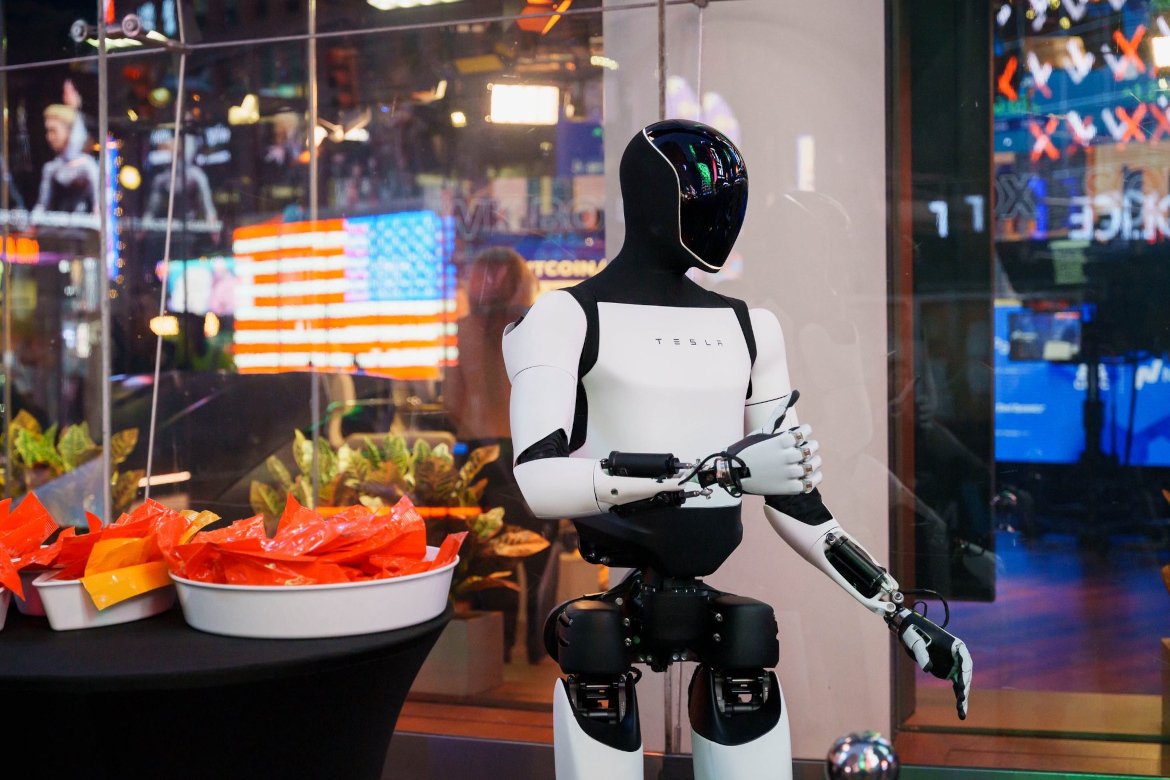
Tesla’s Optimus humanoid robot is presented as part of the company’s long-term vision for physical AI and autonomous labor. Photo: Tesla Optimus / X
Elon Musk has once again pushed Tesla’s ambitions beyond cars, predicting that the company’s humanoid robots could ultimately outgrow its electric vehicle business. Speaking in recent public remarks and investor discussions, Musk framed robotics not as a side project, but as a future pillar that could redefine Tesla’s identity over the coming decade.
Tesla’s humanoid robot, known as Optimus, is designed to perform repetitive and physically demanding tasks in factories, warehouses, and eventually homes. Musk has repeatedly argued that the long-term economic value of autonomous labor far exceeds that of vehicle manufacturing, particularly as global labor shortages intensify and wages rise across industrial economies.
While Tesla remains one of the world’s most valuable automakers, Musk suggested that robots could unlock an entirely new market measured in trillions of dollars. Unlike cars, which are constrained by consumer purchasing power and replacement cycles, general-purpose robots could be deployed continuously across manufacturing, logistics, healthcare, and domestic services.
Robots as Tesla’s Next Growth Engine
Tesla’s robotics program draws heavily from the same core technologies that power its vehicles. The Optimus platform uses Tesla’s full self-driving neural networks, computer vision systems, and custom AI chips, allowing the company to reuse years of autonomy research. Musk has emphasized that this software-first approach gives Tesla a structural advantage over robotics startups that must build perception, planning, and control systems from scratch.
Optimus is expected to operate initially inside Tesla’s own factories, handling material transport and basic assembly tasks. These controlled environments allow the company to train robots at scale while generating real operational value. Musk has indicated that internal deployments could begin ramping before broader commercial availability.
Over time, Tesla envisions Optimus evolving into a general-purpose worker capable of understanding instructions, navigating complex spaces, and manipulating objects with human-like dexterity. If successful, this would place Tesla among a small group of companies attempting to commercialize humanoid robots at scale.
Physical AI Beyond Autonomous Vehicles
Musk’s comments reflect a broader industry shift toward what many executives now call physical AI — systems that can perceive, reason, and act in the real world. Unlike digital AI products, physical AI must meet far higher safety, reliability, and cost constraints, especially when operating alongside humans.
Tesla’s strategy mirrors developments across the robotics sector, where companies are racing to combine large-scale AI models with real-world embodiment. Musk argues that once robots reach sufficient intelligence and reliability, manufacturing capacity becomes the primary constraint, not demand.
He has suggested that a mature robotics business could eventually dwarf Tesla’s vehicle revenues, even if EV sales continue to grow. In Musk’s framing, cars may become just one application of a much larger AI and robotics platform.
Skepticism and Execution Risk
Despite the bold vision, significant challenges remain. Humanoid robots must operate safely in unpredictable environments, manipulate a vast range of objects, and perform tasks reliably over long periods. Battery life, actuator durability, and cost-efficient manufacturing all remain open questions.
Analysts also note that Tesla has a history of ambitious timelines that often slip. While Optimus prototypes have demonstrated walking, object handling, and basic autonomy, large-scale commercial deployment is still unproven.
Nevertheless, Musk’s prediction underscores Tesla’s long-term direction. Rather than viewing robotics as experimental, Tesla is positioning humanoid robots as a central business line that could redefine how work is performed across the global economy.
If Tesla succeeds, the company best known for electric cars could ultimately be remembered for something far more transformative: machines that replace human labor at scale.
NEURA Robotics and Bosch have formed a strategic partnership to industrialize humanoid robots and physical AI in Germany, combining real-world data collection with large-scale manufacturing expertise.
By Daniel Krauss
Published:
Updated:
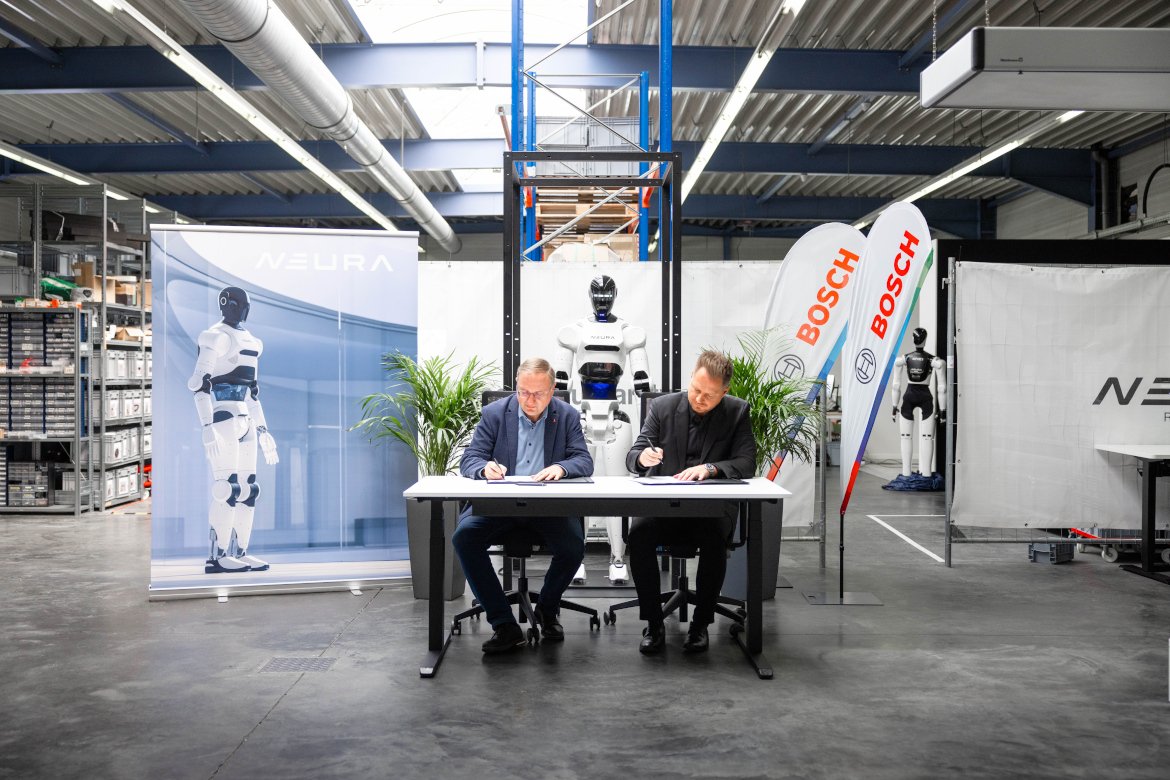
NEURA Robotics and Bosch executives mark the launch of a strategic partnership to industrialize humanoid robotics and physical AI technologies in Germany. Photo: NEURA Robotics
NEURA Robotics and Bosch have announced a strategic partnership aimed at accelerating the industrial deployment of humanoid robots and physical AI technologies developed in Germany. The collaboration brings together NEURA’s fast-moving robotics platform and Bosch’s manufacturing scale, signaling a coordinated European push into one of the most competitive emerging technology markets.
“NEURA aims to position Europe as the global leader in one of the most significant future markets, humanoid robotics,” said David Reger, founder and CEO of NEURA Robotics. “Our mission is to set the global benchmark for physical AI and humanoid robotics, establishing a European alternative to the major platform players in the U.S. and China. The partnership with Bosch is a powerful signal that Germany and Europe are investing in next-generation technologies developed independently.”
Reger said access to real-world physical training data remains the largest constraint in robotics development. “Physical training data is the biggest challenge in robotics; no one has it,” he said. “At NEURA, we have turned this challenge into our competitive advantage, and now, with Bosch, we have the opportunity to capture, structure, and leverage real-world data.”
The partnership is positioned around a shared objective: moving humanoid robots from experimental systems into reliable, scalable tools for real-world work environments. Both companies describe humanoid robotics as a technological shift comparable in impact to the rise of the personal computer or smartphone.
Building the Data Foundation for Humanoid Robots
A central pillar of the collaboration is the joint collection of real-world physical data inside Bosch facilities. Using advanced sensor suits, the partners will capture human motion, task execution, and environmental interaction data during everyday industrial work. This type of physical training data is scarce but critical for teaching humanoid robots how to move, manipulate objects, and operate safely alongside people.
By grounding robot learning in real workplace conditions rather than purely simulated environments, NEURA and Bosch aim to accelerate deployment timelines and improve reliability. The data will feed directly into NEURA’s AI models, enabling faster learning cycles and more adaptable robotic behavior across diverse tasks.
In parallel, the companies will co-develop AI-based core software, functional robotics modules, and intuitive user interfaces designed for industrial use. This software collaboration is intended to bridge perception, reasoning, and physical action into a cohesive operating layer for humanoid robots.
From Scale-Up Innovation to Industrial Production
Bosch will play a key role in supporting NEURA’s transition from development to large-scale production. This includes optimizing manufacturing workflows, scaling embedded software, and potentially supplying robotic components such as motors and actuators. The partnership also leaves room for Bosch to support final assembly and motor production for future humanoid platforms.
NEURA enters the collaboration with a reported order book exceeding one billion euros and is actively expanding its production capacity. The company’s industrial scaling effort is led by executives with deep experience in Bosch’s own manufacturing systems, reinforcing the operational alignment between the two organizations.
The focus on industrialization reflects a broader industry shift. Customers are increasingly demanding robots that can deliver consistent performance, meet safety requirements, and integrate into existing facilities without extensive redesign.
An Open Ecosystem for Physical AI
At the software level, NEURA is advancing an open robotics ecosystem known as the Neuraverse. The concept centers on connected humanoid robots that share skills, data, and learned behaviors across a distributed network. Improvements made by one robot can propagate across the fleet through software updates, creating a continuous feedback loop between deployment and development.
Combined with Bosch’s manufacturing and systems expertise, this approach is designed to accelerate innovation while maintaining industrial reliability. Rather than closed, application-specific robots, the partners are betting on adaptable, general-purpose systems that improve over time.
The partnership underscores a broader ambition to establish a European alternative in humanoid robotics, at a time when major efforts are concentrated in the United States and China. By pairing real-world data acquisition with scalable production, NEURA and Bosch are positioning Germany as a central hub for the next phase of physical AI.
Skild AI raised nearly $1.4 billion in a funding round led by SoftBank, valuing the robotics AI company at more than $14 billion as it scales a unified foundation model for robots.
Skild AI has raised close to $1.4 billion in new funding, pushing the Pittsburgh-based robotics AI company to a valuation exceeding $14 billion. The round was led by SoftBank Group and included participation from NVIDIA Ventures, Macquarie Capital, Jeff Bezos, and a wide range of strategic and institutional investors, underscoring growing confidence in foundational AI models for the physical world.
The financing positions Skild AI as one of the most highly valued companies in the emerging Physical AI sector. Rather than building robots themselves, the company is focused on developing a general-purpose robotics foundation model, known as the Skild Brain, designed to operate across virtually any robotic body and task.
Building a General Brain for Robots
At the core of Skild AI’s strategy is the idea of an omni-bodied intelligence. Unlike traditional robotics systems that are tightly coupled to specific hardware, the Skild Brain is designed to control robots without prior knowledge of their exact physical form. The model can operate humanoids, quadrupeds, mobile manipulators, tabletop arms, and other machines that can move.
Skild AI says this approach allows robots to perform a wide range of activities, from everyday household tasks such as cleaning, loading a dishwasher, or cooking simple meals, to physically demanding work like navigating unstable terrain or handling heavy payloads. The company’s long-term vision is that any machine capable of motion could eventually be operated by the same underlying AI brain.
A central challenge in robotics AI is the lack of large-scale, standardized training data. Unlike language models, which can be trained on vast amounts of text, robots do not have an equivalent “internet of robotics.” Skild AI addresses this gap by pre-training its model on a combination of human video data and large-scale physics-based simulations, allowing it to learn general physical behavior without being tied to a single robot design.
Adaptation Without Retraining
One of Skild AI’s key technical claims is that the Skild Brain can adapt in real time to unexpected changes without retraining or fine-tuning. This includes scenarios such as damaged limbs, jammed wheels, increased payloads, or being deployed on an entirely new robotic body.
According to the company, this adaptability is driven by in-context learning. When the model encounters a new environment or embodiment where its initial actions fail, it adjusts its behavior based on live experience. Skild AI describes this as a major departure from conventional robotics approaches, which often require extensive retraining for each new scenario.
“The Skild Brain can control robots it has never trained on, adapting in real time to extreme changes in form or environments,” said Deepak Pathak, CEO and co-founder of Skild AI. He added that forcing the model to adapt rather than memorize is critical to building intelligence that works reliably in the real world.
Rapid Growth and Commercial Focus
Skild AI is also reporting rapid commercial traction. The company said it grew from zero to approximately $30 million in revenue within a few months in 2025 and is deploying its technology across multiple enterprise settings. Current use cases include security and facility inspection, warehouse operations, manufacturing, data centers, construction, and delivery tasks.
While consumer robotics remains a long-term goal, Skild AI is prioritizing enterprise and industrial deployments, where robots can be rolled out at scale and generate continuous data to improve the model. The company believes this creates a reinforcing data flywheel, allowing the Skild Brain to improve with every deployment regardless of hardware type or task.
Abhinav Gupta, co-founder and president of Skild AI, said this generality is essential for building intelligent systems that can operate safely and dynamically alongside humans. He described omni-bodied learning as a foundational requirement for bringing advanced AI into everyday physical environments.
Investors Signal Strategic Importance
The breadth of the investor group reflects both commercial and strategic interest in Physical AI. In addition to financial investors, the round included strategic backers such as Samsung, LG, Schneider, CommonSpirit, and Salesforce, pointing to potential applications across manufacturing, healthcare, and enterprise automation.
SoftBank Investment Advisers described Skild AI as foundational infrastructure for the future of robotics, while other investors emphasized the long-term economic and strategic significance of solving intelligence for the physical world.
Founded in 2023, Skild AI operates across Pittsburgh, the San Francisco Bay Area, and Bengaluru. With its latest funding, the company plans to scale training of its foundation model and expand deployments, aiming to establish a shared intelligence layer for robots across industries as Physical AI moves closer to mainstream adoption.
Wing and Walmart will add drone delivery to 150 more stores, aiming to reach over 40 million Americans and build the largest residential drone delivery network in the U.S.
By Rachel Whitman
Published:
Updated:
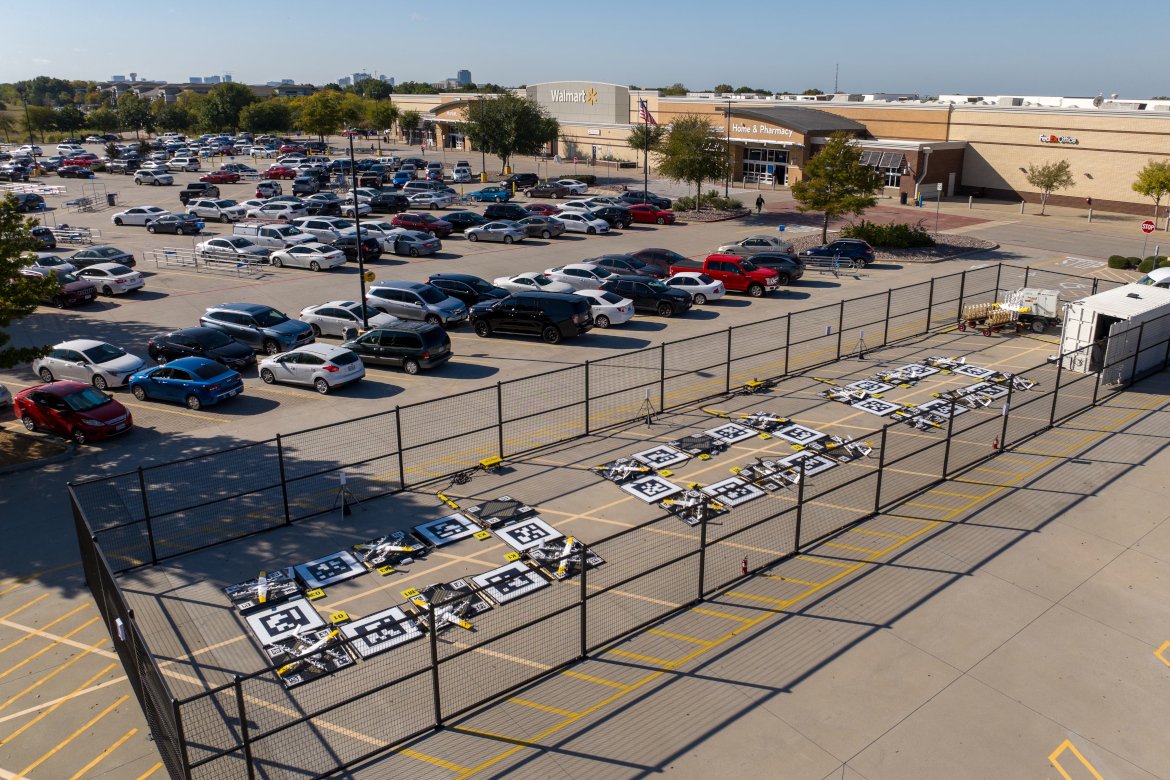
A Wing autonomous delivery drone prepares to transport a small package from a Walmart location as part of the companies’ expanding drone delivery program. Photo: Wing
Wing and Walmart are significantly expanding their drone delivery partnership, announcing plans to add drone service to 150 additional Walmart stores across the United States over the next year. The move is designed to transform drone delivery from a regional convenience into a nationwide retail option, ultimately reaching more than 40 million Americans.
The expansion builds on years of testing and commercial operations in select markets, particularly in the Dallas-Fort Worth area and Metro Atlanta. In those regions, drone delivery has moved beyond novelty status and become a routine part of shopping behavior for many customers. According to the companies, usage has accelerated sharply, with deliveries tripling over the past six months and a core group of customers placing multiple orders per week.
By 2027, Wing and Walmart expect to operate more than 270 drone delivery locations across the country, forming what they describe as the largest residential drone delivery network in the world.
From Regional Pilots to National Coverage
The next phase of expansion will introduce drone delivery to major metropolitan areas including Los Angeles, St. Louis, Cincinnati, and Miami. These additions build on previously announced rollouts in cities such as Houston, Orlando, Tampa, and Charlotte. Operations in Houston are scheduled to begin in mid-January, marking one of the largest single-market launches to date.
The companies said the goal is not simply geographic growth, but consistency and scale. Drone delivery is being integrated directly into Walmart’s existing store operations, allowing orders to be fulfilled from local inventory rather than specialized distribution centers. This approach shortens delivery times and reduces friction for customers placing last-minute or urgent orders.
Wing’s drones are primarily used for lightweight items, including groceries, household essentials, and over-the-counter medications. Orders are delivered in minutes, often faster than traditional same-day or curbside options.
Why Drone Delivery Is Gaining Traction
Executives from both companies argue that the growing adoption reflects a shift in consumer expectations rather than a short-term experiment. Walmart sees drone delivery as a way to address immediate needs, particularly for time-sensitive purchases that do not justify a full shopping trip.
“Drone delivery plays an important role in our ability to deliver what customers want, exactly when they want it,” said Greg Cathey, Walmart’s senior vice president of digital fulfillment transformation. He pointed to strong adoption in existing markets as evidence that customers are willing to embrace the technology when it is reliable and easy to use.
Wing, which is owned by Alphabet, has spent years refining its aircraft, navigation systems, and air traffic coordination to support dense residential operations. The company emphasizes that its drones are designed to operate autonomously while meeting strict safety and noise standards, a key factor in securing regulatory approvals and community acceptance.
The Economics of Ultra-Fast Delivery
The scale of the expansion highlights a broader shift in retail logistics. While drone delivery has often been viewed as expensive or experimental, Wing and Walmart argue that high utilization changes the equation. In markets where demand is strong, drones can complete many short trips per hour, lowering the cost per delivery and reducing reliance on human drivers.
“We believe even the smallest package deserves the speed and reliability of a great delivery service,” said Adam Woodworth, chief executive of Wing. He said working with Walmart has allowed the company to demonstrate that drone delivery can operate as part of everyday retail, not just as a premium or niche offering.
Industry analysts note that Walmart’s national footprint gives the partnership a structural advantage. Thousands of stores located close to residential neighborhoods make it easier to launch drone services without building new infrastructure. If successful, the model could pressure other retailers to accelerate their own investments in autonomous delivery.
A Glimpse of Retail’s Next Phase
The coast-to-coast rollout signals growing confidence that drone delivery can move beyond pilot programs and into mainstream commerce. While regulatory hurdles and airspace coordination remain challenges, the scale of this expansion suggests that large retailers now see drones as a practical complement to trucks, vans, and gig-economy drivers.
For consumers, the promise is simple: faster access to everyday essentials. For the retail industry, the partnership represents a test of whether autonomous delivery can reliably operate at national scale.
As Wing and Walmart extend their network from Los Angeles to Miami, the question may no longer be whether drone delivery works, but how quickly it becomes an expected part of shopping in American cities.
CES 2026 marked a turning point for Physical AI, as humanoids, autonomous machines, and AI-driven platforms moved from experiments to scalable, real-world systems.
By Daniel Krauss
Published:
Updated:
Robots and autonomous machines take center stage on the CES 2026 show floor as Physical AI becomes a defining theme of the event. Photo: Consumer Technology Association (CTA)
CES 2026 made one thing clear: artificial intelligence is no longer just software. This year’s show was defined by Physical AI, a category where intelligence is embedded directly into machines that move, lift, drive, and operate in the real world. From humanoid robots and autonomous trucks to construction equipment and household helpers, robotics shifted from the fringes of CES to its core narrative.
What distinguished CES 2026 from previous years was not the novelty of robots, but their readiness. Across industries, companies emphasized scale, safety, and integration, signaling that Physical AI is moving beyond pilots and into sustained deployment.
From Vision to Deployment Across Industries
In construction, Doosan Bobcat showcased how AI and autonomy are reshaping worksites. Its RX3 autonomous concept loader illustrated how compact equipment can operate quietly, electrically, and with modular configurations, while AI-driven systems like Jobsite Companion and collision avoidance highlighted how intelligence is being embedded directly into machines operators already use.
Logistics and transportation saw similar momentum. Kodiak AI and Bosch presented a production-grade autonomous trucking platform designed for scale, emphasizing redundant hardware and automotive-grade components. The message was clear: autonomy is no longer confined to test routes but is being engineered for industrial reliability.
At the software and platform level, Mobileye’s acquisition of Mentee Robotics underscored how autonomy stacks developed for vehicles are converging with humanoid robotics. The deal positioned Physical AI as a shared foundation across cars and robots, built on perception, planning, and safety systems that can operate in human environments.
Humanoids Grow Up
Humanoid robots were among the most visible symbols of CES 2026’s shift toward Physical AI. Boston Dynamics, working again with Google, revealed a product-ready version of Atlas, highlighting industrial-grade specifications, multiple control modes, and AI-driven autonomy. The focus was less on acrobatics and more on repeatable, real-world work.
In the home, LG Electronics introduced its CLOiD home robot as part of a broader “Zero Labor Home” vision. Rather than a standalone gadget, CLOiD was positioned as a mobile AI hub capable of coordinating appliances, understanding routines, and performing household tasks through vision-based Physical AI.
These examples reflected a broader trend: humanoids are no longer pitched as distant futures, but as platforms designed to fit into existing environments, whether warehouses, factories, or homes.
Platforms and Chips Power the Physical AI Stack
Underpinning many of these robots were platform providers positioning themselves as the infrastructure layer for Physical AI. Qualcomm used CES to introduce its Dragonwing robotics platform and IQ10 processor, framing them as the “brain of the robot” for everything from service robots to full-size humanoids. The emphasis on power efficiency, edge AI, and safety-grade performance highlighted how critical compute platforms are becoming as robots scale.
Across the show floor, the same themes repeated: end-to-end stacks, simulation-first development, and software-defined robotics. Companies increasingly described robots as evolving systems, improved through data and deployment rather than fixed-function machines.
A Turning Point for CES and Robotics
CES has long been known for bold prototypes, but CES 2026 felt more grounded. The conversation shifted from what robots might do someday to how they are being deployed today. Partnerships, acquisitions, and production-ready platforms dominated announcements, reflecting a more mature phase of the robotics cycle.
Physical AI now sits at the intersection of several forces: advances in foundation models, cheaper and more capable hardware, and rising demand for automation across labor-constrained industries. CES 2026 captured that convergence in real time.
If earlier CES editions introduced robots as curiosities, CES 2026 presented them as infrastructure. As Physical AI moves from show floors into jobsites, roads, and homes, this year’s event may be remembered as the moment robotics stopped being a sideshow and became one of technology’s main stages.
Market data from Omdia shows AGIBOT leading global humanoid robot shipments in 2025, highlighting a shift from prototypes to early commercial deployment in physical AI.
By Daniel Krauss | Edited by Kseniia Klichova
Published:
Updated:
Market data from Omdia highlights AGIBOT’s rise as the leading global supplier of humanoid robots, signaling early commercial momentum in embodied AI. Photo: AGIBOT
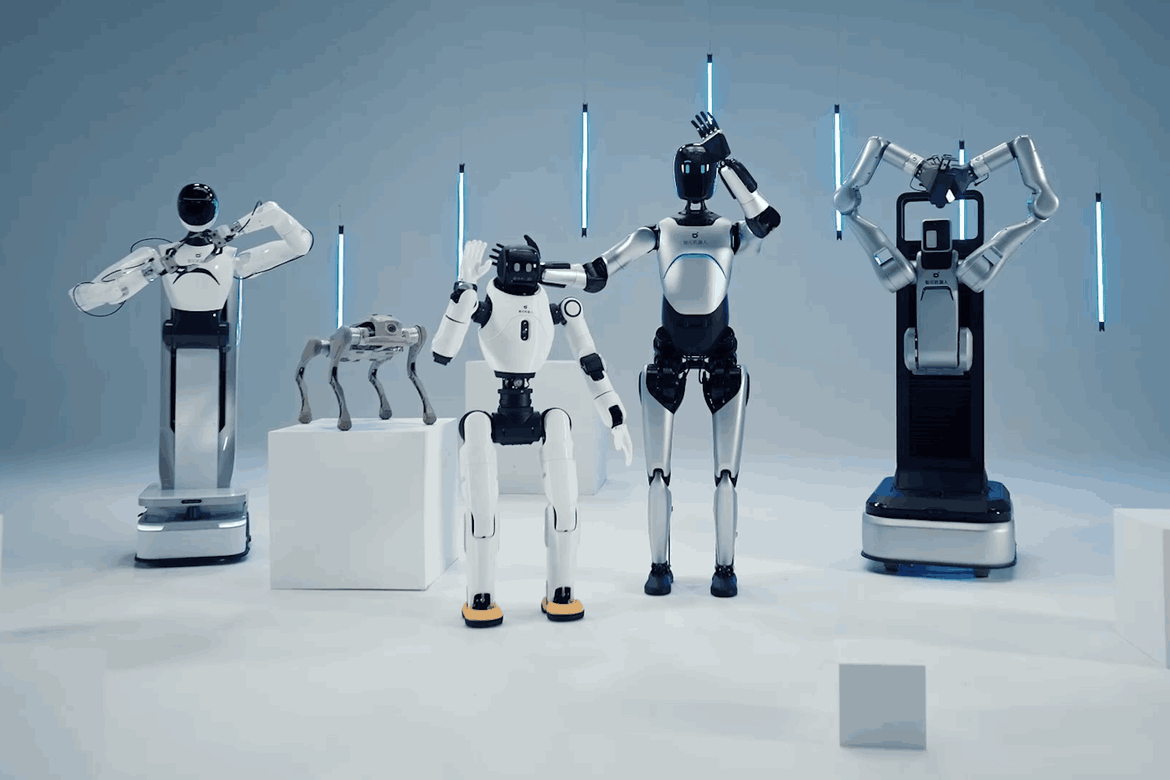
According to a new market assessment from Omdia, Shanghai-based AGIBOT ranked first worldwide in humanoid robot shipments in 2025. The ranking reflects delivered units rather than pilot announcements or experimental deployments, marking an important milestone as humanoid robotics moves beyond research labs and controlled demonstrations.
Omdia’s Market Radar: General-Purpose Embodied Intelligent Robots 2026 frames humanoid robots as an emerging product category entering its earliest phase of commercialization. Instead of highly customized machines built for single tasks, the market is beginning to favor standardized humanoid platforms designed to operate across multiple environments such as logistics hubs, public spaces, educational settings, and light industrial facilities.
The report emphasizes that shipment volume is becoming a critical indicator of progress in physical AI. Each deployed humanoid robot not only performs tasks but also generates real-world interaction data, accelerating learning cycles and improving system robustness over time.
From Research Prototypes to Scaled Shipments
AGIBOT’s lead in shipments reflects a strategy centered on controlled scalability rather than headline-grabbing prototypes. The company has focused on deploying humanoid platforms that balance mobility, stability, and cost efficiency, prioritizing environments where robots can operate alongside humans under predictable conditions.
Analysts note that early shipment leadership does not guarantee long-term dominance, but it creates structural advantages. Real-world data remains one of the scarcest resources in humanoid robotics, and companies with active deployments gain faster feedback on perception, manipulation, navigation, and human-robot interaction.
Omdia also highlights that competition in the humanoid sector remains intense. Companies in the United States, Europe, and Japan are investing heavily in software-centric approaches, while automotive and electronics manufacturers increasingly view humanoid robots as an extension of their embodied AI strategies.
Humanoid Robotics Moves Toward Commercial Reality
The report situates humanoid robots within a broader transition toward general-purpose embodied intelligence – machines designed to function in spaces originally built for people. Rather than replacing traditional industrial robots, humanoids are positioned to complement existing automation by handling tasks that require flexibility, mobility, and contextual awareness.
Omdia identifies Asia, particularly China, as the most aggressive region in early humanoid commercialization, driven by manufacturing scale, integrated supply chains, and sustained investment in robotics infrastructure. At the same time, demand is expected to broaden globally as enterprises explore service, healthcare, and customer-facing applications.
While the humanoid robotics market remains in its formative stage, shipment data suggests a clear shift is underway. Leadership is increasingly defined by deployed systems rather than conceptual ambition, signaling that physical AI is beginning its transition from promise to presence.
Join our list to receive latest Blockchain, Crypto & Fintech news:
WordPress database error: [Table 'u752143311_u5t1U.wp_coingecko_coins' doesn't exist]
            SELECT coins.*, meta.post_id as post_id
            FROM `wp_coingecko_coins` coins
            INNER JOIN wp_postmeta meta ON (meta.meta_key = 'wpcf-coin-main-tag' AND meta.meta_value = coins.slug )
            ORDER BY market_cap_usd
            DESC LIMIT 9