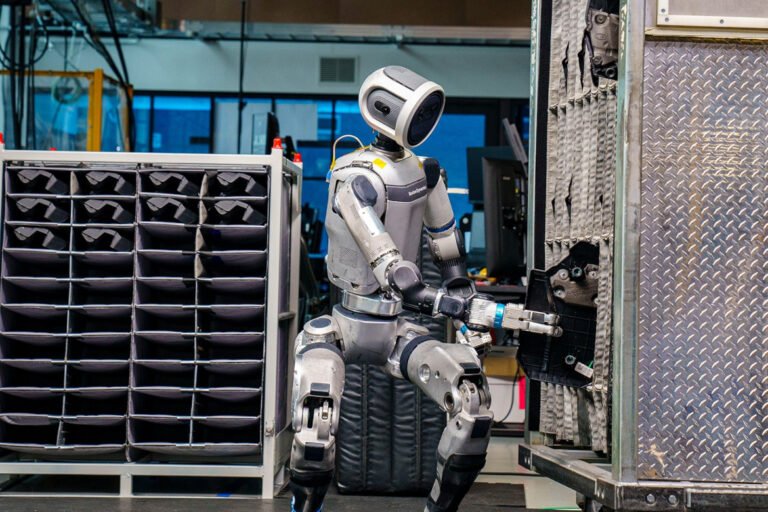
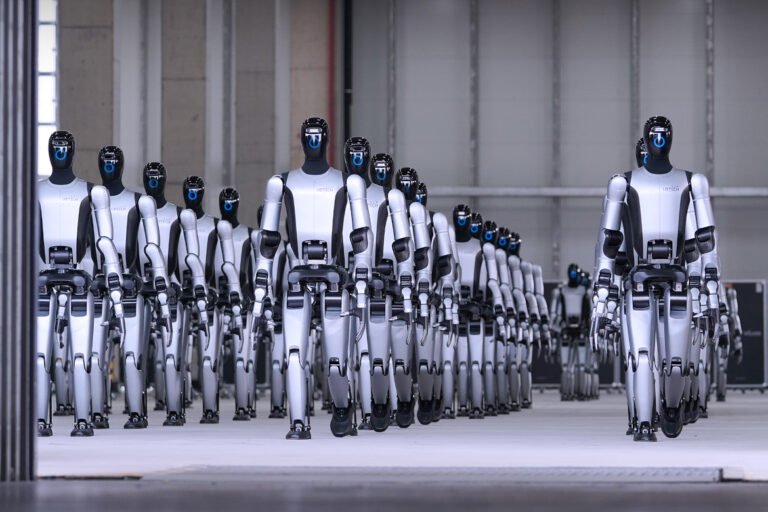
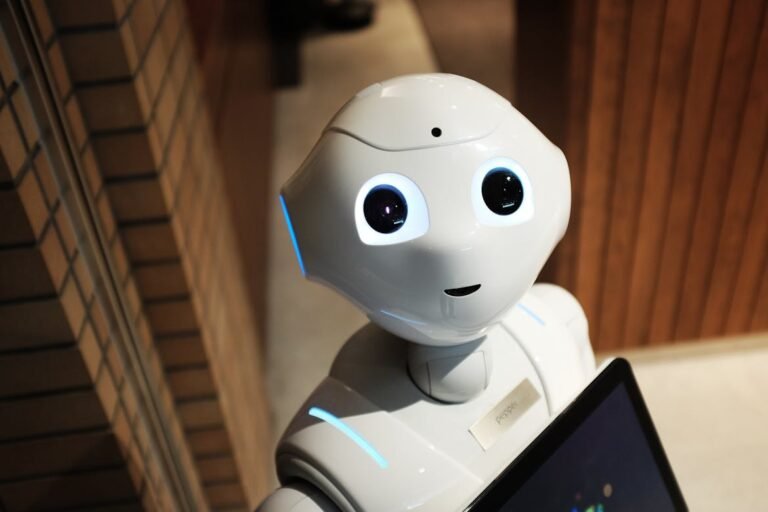
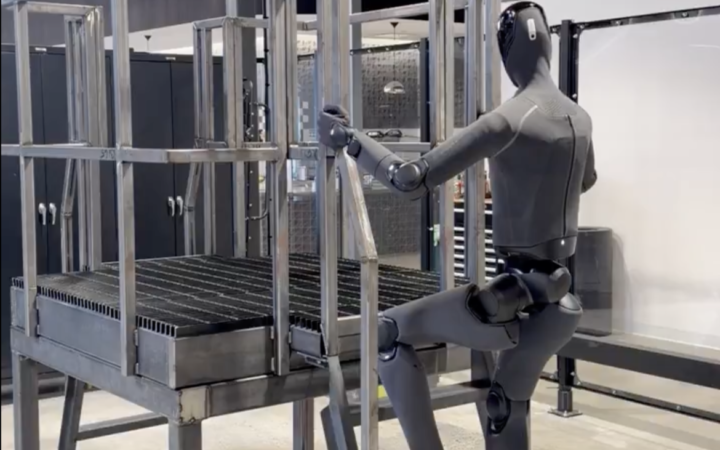
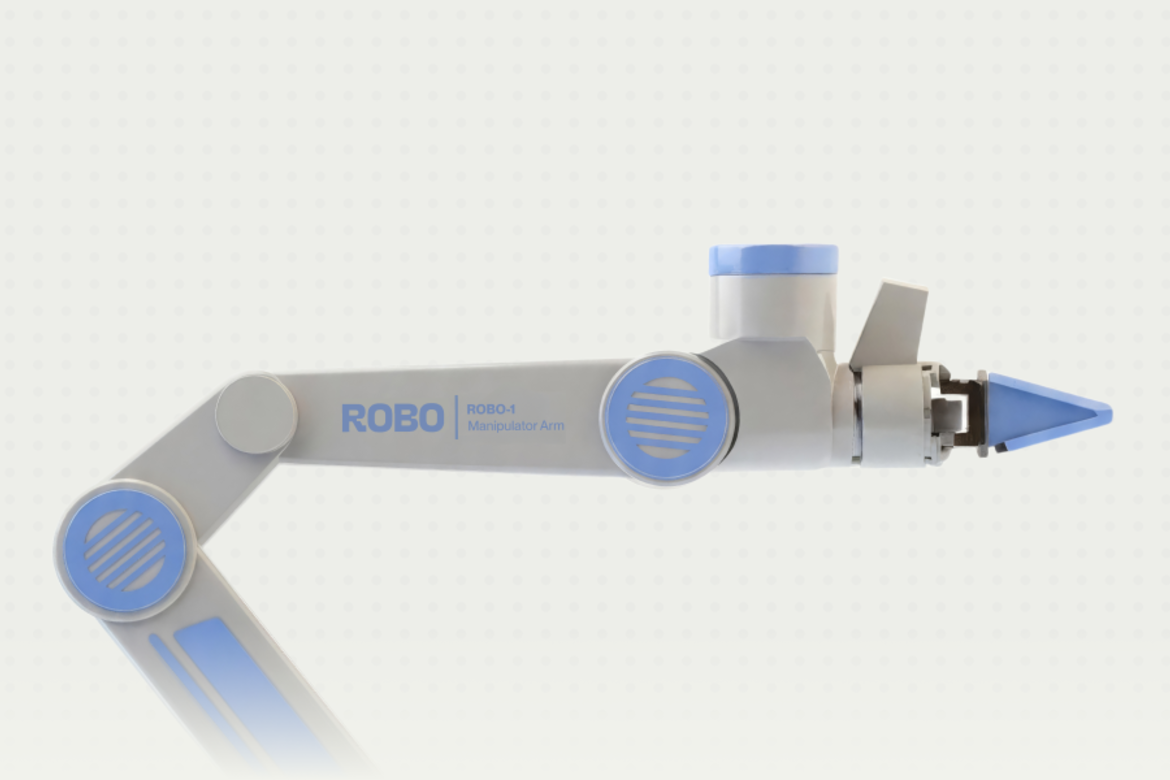
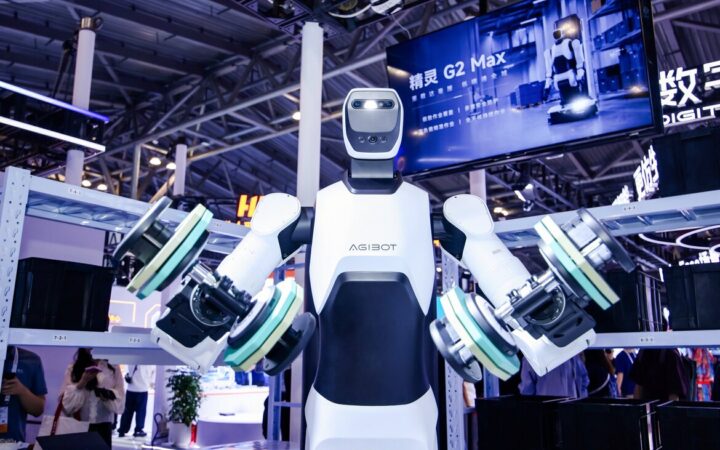
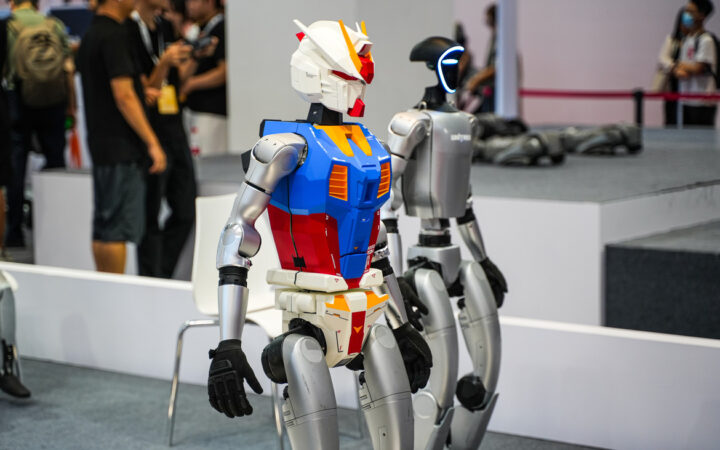
Autonomous robots operating across industrial and service environments, showcasing real-time navigation, environmental perception, and practical deployment in modern workplaces. Photo: UBTech / X
A clear and practical introduction to autonomous robots, explaining how they work, where they are used, and what beginners need to know before adopting or working with robotic systems.
Autonomous robots have moved from experimental prototypes to practical, real-world systems deployed at scale. They are now an everyday presence in warehouses, factories, hospitals, offices, and even public spaces, quietly handling tasks that were once manual, repetitive, or physically demanding.
For businesses and professionals encountering robotics for the first time, autonomous robots can seem complex, blending mechanics, software, and artificial intelligence into a single system. In practice, their core principles are logical and approachable.
This guide introduces autonomous robots from the ground up. It explains what autonomy really means, how these systems function, where they are used today, and what beginners should understand before adopting or working with them.
What Are Autonomous Robots?
Autonomous robots are machines capable of performing tasks with little or no direct human control. Unlike traditional robots that follow rigid instructions or fixed paths, autonomous robots operate with a degree of independence, continuously sensing their surroundings and making decisions in real time.
This ability allows them to function in environments that change from day to day or even minute to minute. What truly defines autonomy is adaptability. Autonomous robots are designed to respond intelligently to unexpected situations rather than stopping or failing when conditions change.
Key characteristics of autonomous robots include:
The ability to navigate without fixed infrastructure
Real-time obstacle detection and avoidance
Continuous adaptation to changing environments
Safe operation alongside human workers
A common example is an autonomous mobile robot in a warehouse. Instead of relying on magnetic tape or predefined routes, it dynamically plans its own paths, reroutes around obstacles, and continues operating even when layouts are modified.
How Autonomous Robots Work
Autonomous robots may look very different from one another, but they share a common internal structure. Their intelligence emerges from multiple systems working together in a continuous feedback loop. Understanding these systems helps beginners see autonomy as a layered process rather than a single piece of software.
Each layer plays a specific role, from sensing the environment to executing physical movement.
Perception
Perception is how a robot understands the world around it. Sensors collect raw data that allows the robot to identify objects, people, and spatial boundaries. Common perception technologies include:
Cameras for visual recognition
LiDAR for distance and depth measurement
Ultrasonic and infrared sensors for proximity detection
Inertial sensors for motion and orientation
Together, these inputs create a real-time environmental model that feeds higher-level decision-making.
Localization and Mapping
Knowing what is nearby is not enough; a robot must also know where it is. Localization and mapping systems allow robots to operate confidently in unfamiliar or changing spaces.
These systems enable robots to:
Build digital maps of their environment
Track their position within those maps
Update maps as layouts evolve over time
This capability is what allows autonomous robots to function without fixed paths or physical guides.
Decision-Making
Decision-making is the intelligence layer that turns sensor data into action. Software algorithms analyze incoming information and determine how the robot should behave in each moment.
Typical decisions include:
Selecting the most efficient route to a destination
Slowing down or stopping near people
Rerouting around obstacles or blocked paths
Prioritizing tasks based on operational rules
This layer ensures that the robot’s behavior remains both efficient and safe.
Actuation and Control
Actuation is where decisions become movement. Motors, wheels, arms, or grippers execute commands while control systems ensure smooth motion and stability.
This layer is responsible for precision, safety, and reliability during physical interaction with the environment.
Main Types of Autonomous Robots
Autonomous robots are designed around specific use cases, leading to several widely recognized categories. Each type reflects the environment it operates in and the tasks it is expected to perform.
Autonomous Mobile Robots (AMRs)
AMRs are among the most common autonomous systems in use today. They are designed to move freely through indoor environments without fixed infrastructure.
Typical applications include:
Material transport
Warehouse picking and replenishment
Internal logistics between workstations
Their flexibility makes them especially valuable in facilities where layouts change frequently.
Industrial Autonomous Robots
Industrial robots are becoming increasingly autonomous as vision systems and AI are integrated into traditional automation. These robots are used where precision and adaptability are equally important.
Common tasks include:
Inspection and quality control
Flexible assembly operations
Machine tending and part handling
Autonomy reduces the need for constant reprogramming when products or processes change.
Service Robots
Service robots operate in human-centered environments and prioritize safety and predictability. They are designed to work alongside people rather than behind barriers.
Typical environments include:
Hospitals and healthcare facilities
Hotels and office buildings
Airports, malls, and public venues
Their success depends on smooth interaction and reliable behavior.
Outdoor and Delivery Robots
Outdoor autonomous robots face the most complex conditions. They must operate safely in public spaces while handling environmental uncertainty.
Key challenges include:
Pedestrian interaction and traffic awareness
Weather and lighting variability
Uneven terrain and regulatory constraints
Where Autonomous Robots Are Used Today
Autonomous robots are already delivering measurable value across a wide range of industries. Their adoption is driven by practical needs rather than experimentation.
In logistics and warehousing, companies such as Amazon Robotics deploy large fleets of autonomous robots to move inventory, reduce walking distances for workers, and support rapid scaling during peak demand periods.
In manufacturing, autonomous robots improve internal material flow, support flexible production layouts, and reduce downtime caused by manual handling bottlenecks.
In healthcare, robots transport medications, meals, and supplies, allowing medical staff to focus more on patient care while reducing congestion in busy corridors.
In hospitality and corporate environments, robots assist with cleaning, internal deliveries, and basic guest services, particularly in regions facing workforce shortages.
Why Organizations Adopt Autonomous Robots
Organizations adopt autonomous robots not for novelty, but for clear operational advantages. These systems are often introduced to solve specific efficiency, safety, or scalability challenges.
Key advantages include:
Flexibility in changing environments
Gradual scalability through fleet expansion
Improved workplace safety
Consistent performance without fatigue
Long-term operational cost savings
Autonomous robots are particularly effective where repetitive or physically demanding tasks limit human productivity.
Challenges and Limitations
Despite their growing capabilities, autonomous robots are not a universal solution. Understanding their limitations is essential for successful deployment.
Common challenges include:
Dependence on sensor quality and software reliability
Difficulty operating in highly cluttered or unpredictable environments
Integration with existing workflows and IT systems
The need for employee training and organizational change
Realistic expectations and careful planning are critical to avoiding disappointment.
How to Get Started With Autonomous Robots
For beginners, successful adoption starts with focus and structure rather than scale. Small, well-defined projects often deliver the best learning outcomes.
Recommended steps include:
Identify a clear, repetitive task suitable for automation
Begin with a pilot project instead of a full deployment
Measure safety, performance, and return on investment
Involve employees early to encourage acceptance
Choose systems that support updates and future growth
Autonomous robots are most effective when integrated into broader operational processes.
The Future of Autonomous Robots
Autonomous robots are evolving rapidly as advances in artificial intelligence, edge computing, and sensing technologies continue to accelerate. Future systems will go beyond navigation and basic task execution, incorporating learning, collaboration, and higher-level reasoning.
Robots will increasingly adapt based on experience, coordinate with other machines, and operate in environments that were previously considered too complex. For beginners, understanding these foundations today provides a strong starting point for a technology that is becoming a core component of modern industry and services.
RoboStore, the primary U.S. distributor for Unitree Robotics with 1,500 robots deployed across 4,500 North American customers, has launched Robo Inc., a hardware-agnostic U.S.-based robotics manufacturer and systems…