Shaolin Temple has long been synonymous with discipline, physical mastery, and martial arts tradition. This month, it became the setting for a striking demonstration of how far physical artificial intelligence has advanced.
Humanoid robots were filmed training alongside Shaolin monks, practicing kung fu forms in coordinated sessions that blended centuries-old tradition with cutting-edge robotics. Videos of the robots mirroring stances, punches, and balance drills quickly went viral, sparking widespread discussion about the future of embodied AI.
Hey EngineAI, the AGIBOT crew just hit up the Shaolin Temple to learn some legit Kung Fu. 🥋🤖
When are you gonna show us what your bots can really do?😂 https://t.co/52d5Qr5xpR pic.twitter.com/XcAshDmv2C
— RoboHub🤖 (@XRoboHub) February 4, 2026
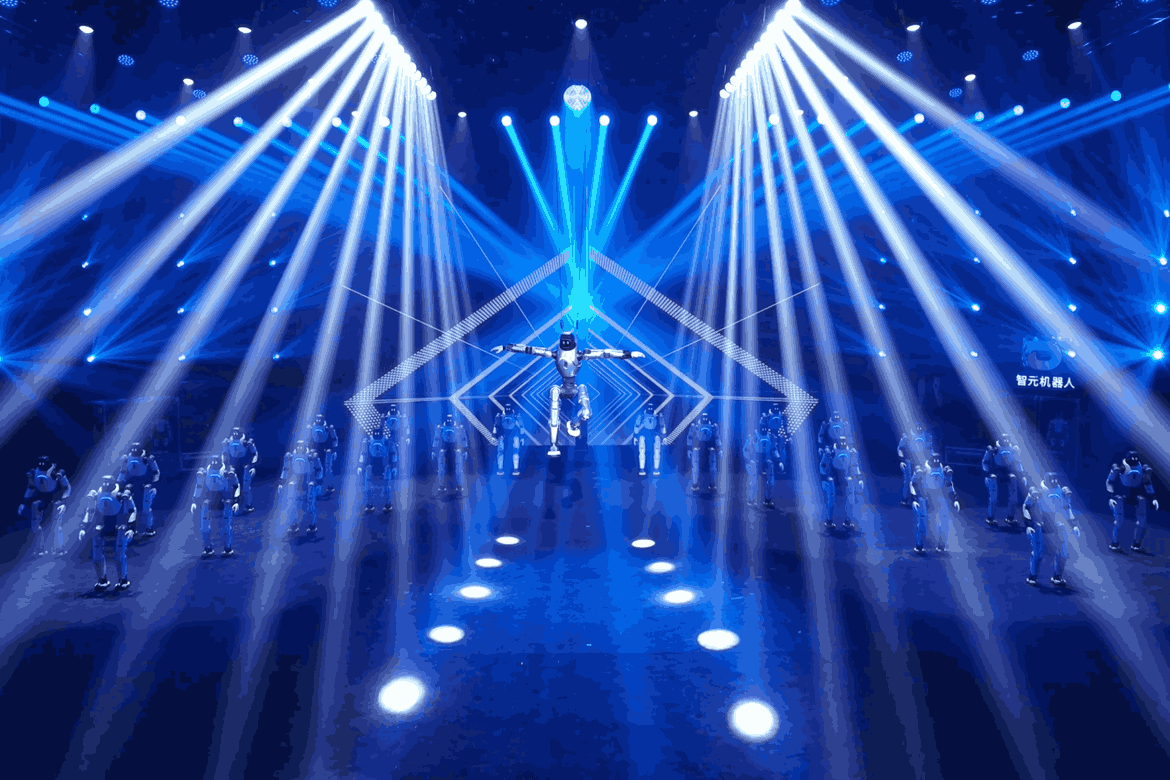
The robots involved were developed by Chinese robotics firm AgiBot, which has been working on humanoid systems capable of learning complex human motion through imitation, sensor feedback, and reinforcement learning.
Training the Body Not Just the Brain
Unlike industrial robots optimized for repetitive tasks, humanoid systems require an understanding of balance, timing, and force distribution. Martial arts training offers a unique testing ground for these capabilities.
Kung fu movements emphasize controlled power, rapid transitions, and precise posture – qualities that are difficult for robots to master using traditional programming alone. By training alongside monks, engineers can expose robots to highly refined human motion patterns and evaluate how well physical AI systems adapt in real time.
Developers have described these sessions as experimental rather than ceremonial. The goal is not to turn robots into fighters, but to improve their ability to coordinate full-body movement, respond to physical constraints, and learn from human demonstration.
A Cultural Backdrop for Physical AI
The setting itself added symbolic weight. The Shaolin Temple is globally recognized not only as a religious site, but as a center of physical discipline where the body and mind are trained together. Placing humanoid robots in this environment underscored a broader idea gaining traction in robotics: intelligence does not exist solely in software models, but emerges through interaction with the physical world.
China has been investing heavily in humanoid robotics as part of its broader push into physical AI, with applications spanning manufacturing, logistics, healthcare, and public services. Demonstrations like this serve both as technical validation and as cultural storytelling – positioning robots not just as tools, but as learners embedded in human environments.
While the sight of robots practicing kung fu may feel theatrical, it reflects a serious shift in robotics research. As humanoid machines move closer to everyday settings, their ability to move, adapt, and coexist with humans is becoming just as important as raw computational intelligence.