A new generation of robotics companies is turning its attention beyond Earth’s surface.
Icarus Robotics, a startup co-founded in 2024, is preparing to test autonomous robots aboard the International Space Station (ISS), marking a step toward deploying robotic labor in orbit. The mission, planned for early 2027, will evaluate how free-flying robots can operate in microgravity environments and support routine space operations.
The effort reflects a broader shift in robotics: extending automation into domains where human labor is constrained by cost, risk or physical limitations.
Building a Workforce for Orbit
Rather than developing humanoid systems, Icarus is focusing on a different form factor tailored to space.
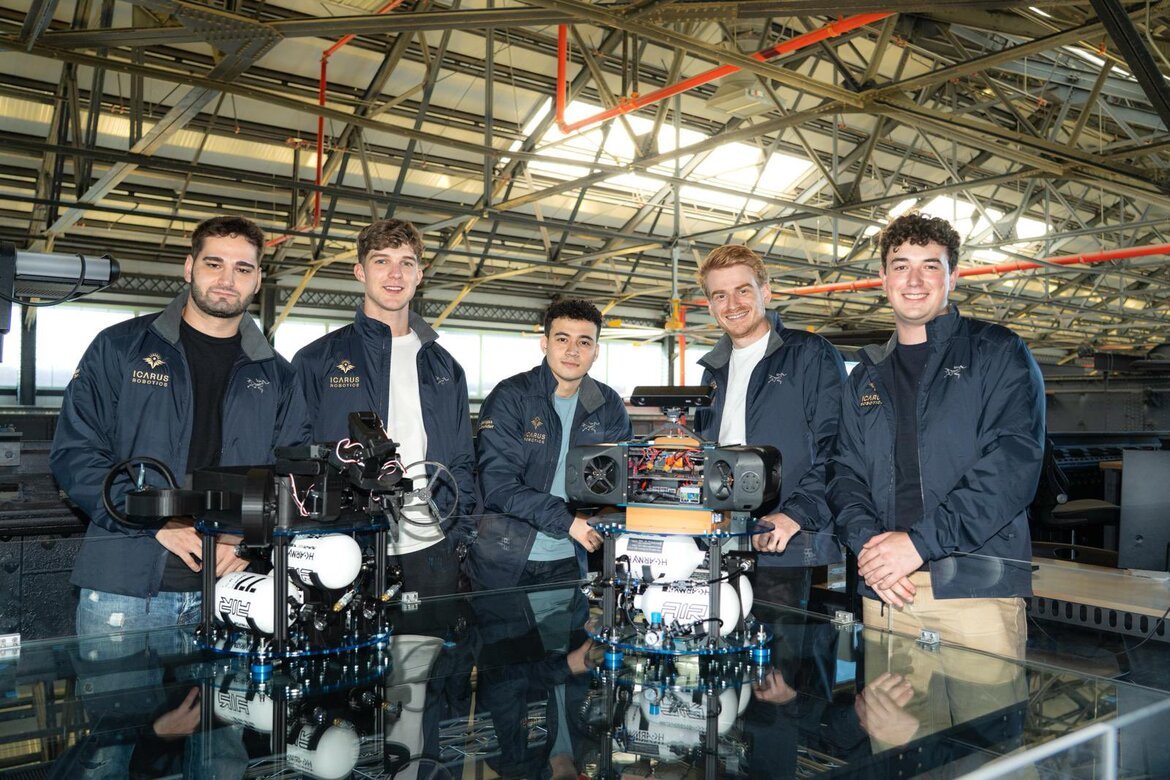
Its platform, known as Joyride, is a fan-propelled, free-flying robot equipped with articulated arms and grippers. The system is designed to move independently within spacecraft and handle tasks such as unpacking cargo, organizing equipment and assisting with routine operations.
These activities, while essential, consume significant astronaut time and attention.
By offloading repetitive or time-consuming work to robots, space missions could become more efficient and allow human crews to focus on higher-value tasks such as research and mission planning.
The upcoming ISS mission will test key capabilities including autonomous navigation, maneuverability and operational reliability in a live orbital environment.
From Concept to Flight Heritage
To execute the mission, Icarus has partnered with Voyager Technologies, a company with extensive experience in managing space missions across government and commercial programs.
Voyager will support integration, safety certification, launch coordination and in-orbit operations – a critical step in moving the technology from prototype to flight-proven system.
In the space industry, demonstrating reliability in orbit – often referred to as achieving “flight heritage” – is a prerequisite for wider adoption.
For startups like Icarus, successful deployment on the ISS could open the door to future contracts in areas such as space station operations, satellite servicing and in-orbit manufacturing.
The company has already raised early funding to support development, reflecting investor interest in commercial space infrastructure and robotics.
Robotics Expands Beyond Earth
The planned mission highlights how robotics is becoming integral to the emerging space economy.
As activity in Low Earth Orbit increases – driven by commercial space stations, satellite networks and research initiatives – the demand for automation is expected to grow.
Robots offer a way to scale operations without proportionally increasing human presence, which remains expensive and resource-intensive.
Unlike terrestrial robotics, however, space systems must operate under unique constraints, including microgravity, limited communication and strict safety requirements.
This makes reliability and autonomy particularly important.
Icarus’s approach – focusing on task-specific, non-humanoid robots – reflects a pragmatic strategy aligned with near-term operational needs.
While humanoid robots often dominate public attention, specialized systems may be better suited to environments like space, where efficiency and adaptability matter more than human-like form.
If successful, the ISS demonstration could mark an early step toward a future where robotic labor becomes a standard component of space missions.