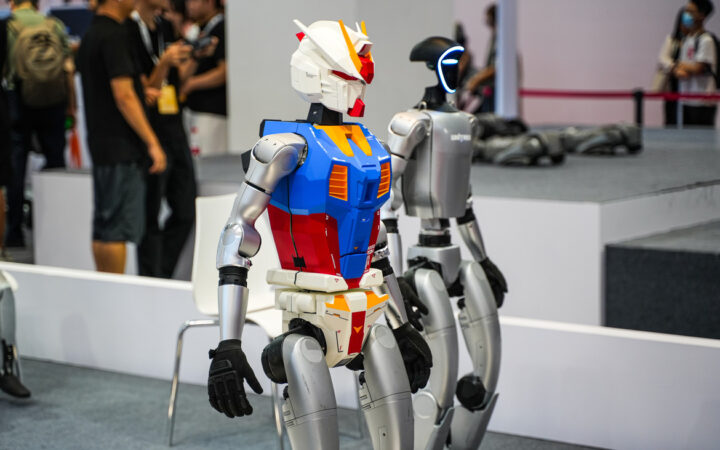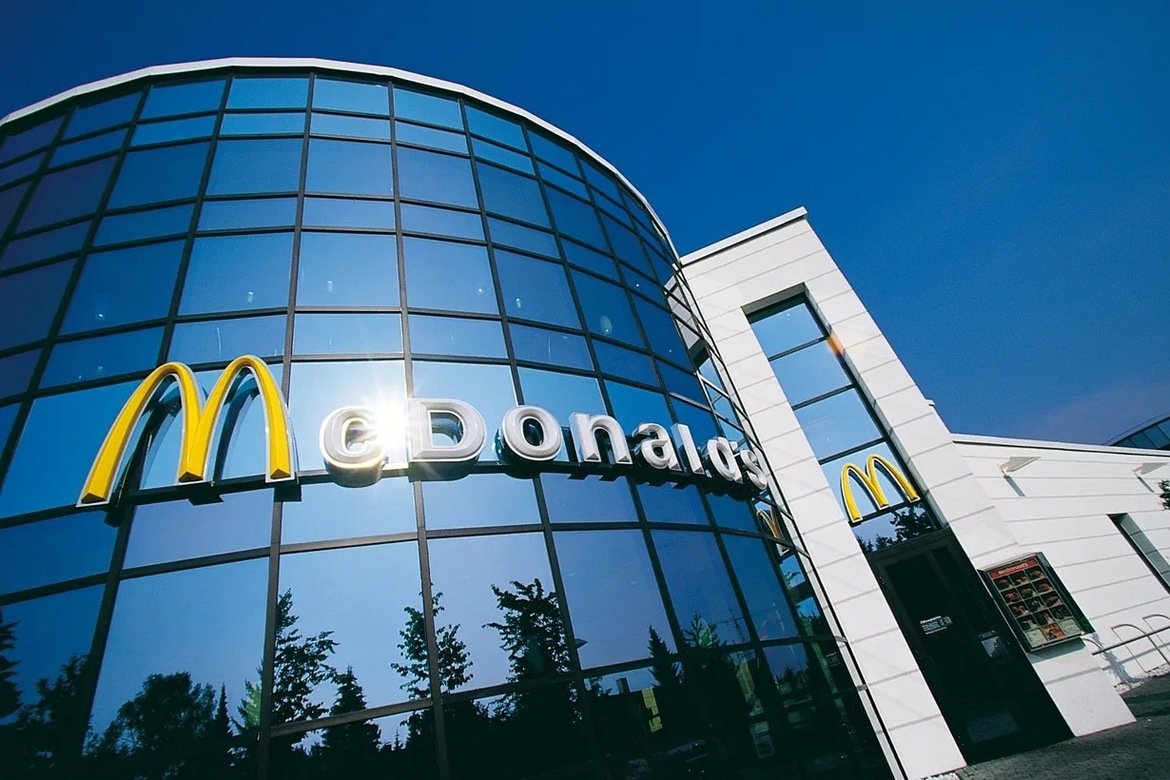

A McDonald’s restaurant in Shanghai has begun testing humanoid robots in customer-facing roles, offering a visible example of how service robotics may gradually enter everyday retail environments.
Videos circulating online show bipedal robots greeting customers, interacting with diners, and assisting with basic front-of-house tasks. The machines are supplied by Chinese robotics company Keenon Robotics, which has previously developed delivery robots and service robots used in restaurants and hotels.
While the robots in the trial remain relatively limited in capability, the experiment reflects a broader shift underway in the hospitality industry as companies explore automation to address labor challenges and rising operational costs.
The test also highlights how robotics is increasingly moving from industrial environments into highly visible consumer spaces.
A McDonald’s in Shanghai has begun deploying humanoid robots (from KEENON Robotics) to serve customers.
> These humanoid robots provide information, greet guests, and help enliven the atmosphere.
> Food delivery robots serve meals to customers and collect used trays.in the… pic.twitter.com/IEFzucz3IE
— CyberRobo (@CyberRobooo) March 18, 2026
Service Robots Move into Restaurants
Restaurants have long experimented with automation, though most deployments so far have relied on specialized machines rather than humanoid systems.
Robotic kitchen equipment, autonomous floor cleaners, and mobile delivery robots are already used in some restaurants and hotels. Keenon Robotics itself has deployed wheeled delivery robots in thousands of hospitality venues across Asia.
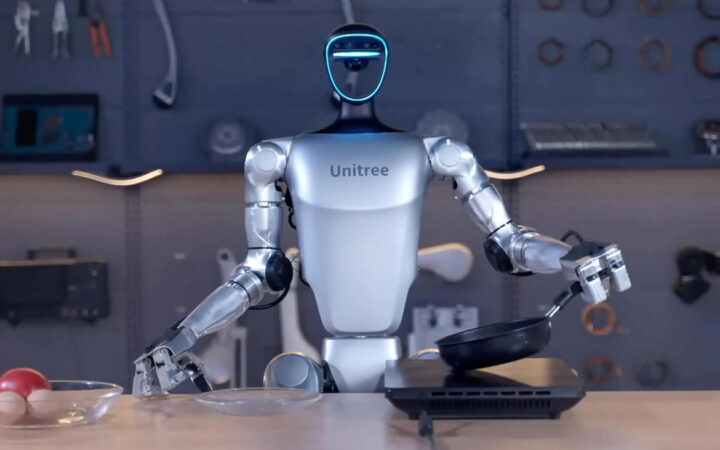
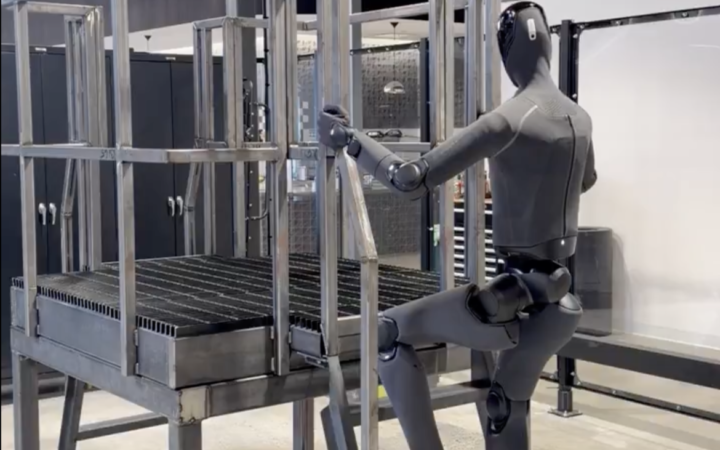
Humanoid robots introduce a different approach. Because they are designed with a human-like form, they can interact with spaces built for people, including counters, seating areas, and walkways. In theory, that allows them to perform a wider range of tasks without requiring significant redesign of restaurant layouts.
In the Shanghai pilot, the robots appear primarily focused on greeting guests and providing entertainment rather than handling complex food preparation or order management. Their presence functions as both a service experiment and a marketing attraction, drawing curiosity from customers.
For large restaurant chains, even incremental automation could eventually reduce pressure on staffing for repetitive customer-service roles.
A Labor Puzzle for Service Industries
The experiment also reflects a broader labor dynamic that has emerged in China and other major economies.
While youth unemployment remains elevated in some regions, service industries often report difficulty filling low-wage or repetitive roles. Restaurant work, which frequently involves long hours and physically demanding tasks, has become less attractive to younger workers.
At the same time, China’s population is aging, shrinking the available workforce over the long term.
These overlapping trends have encouraged companies to explore robotics as a way to fill operational gaps rather than fully replace human workers.
In practice, most robotics deployments in hospitality are likely to remain hybrid systems for the foreseeable future. Human employees continue to handle complex interactions and decision-making tasks, while robots take on routine or customer-engagement roles.
The Long Road to Fully Automated Restaurants
Despite the attention generated by humanoid robots, the technology remains far from running an entire restaurant.
Current systems still struggle with tasks that humans perform effortlessly, such as dexterous food preparation, nuanced customer interaction, and navigating crowded spaces during peak hours.
As a result, industry observers expect service robotics to evolve gradually. Robots may first appear as greeters, food runners, or cleaning assistants before taking on more complex responsibilities.
For companies like McDonald’s, pilot programs provide a way to test how customers respond to robots while evaluating their reliability in real operational settings.
Even limited deployments in such high-visibility environments suggest a broader trend: as robotics technology improves, machines may increasingly appear not only in factories and warehouses but also in the everyday places where people work, shop, and eat.
Disclaimer: RobotsBeat is an independent media brand owned and operated by NuvexMedia LLC, publishing news, research, and insights on artificial intelligence, emerging technologies, automation, and related industries. NuvexMedia LLC invests in and collaborates with companies across the AI, Robotics, technology, software, and digital innovation sectors. These relationships do not influence RobotsBeat's editorial coverage, and the publication maintains full editorial independence to provide accurate, timely, and objective information. © 2026 NuvexMedia LLC. All rights reserved. This content is for informational purposes only and should not be considered legal, tax, investment, financial, or other professional advice.