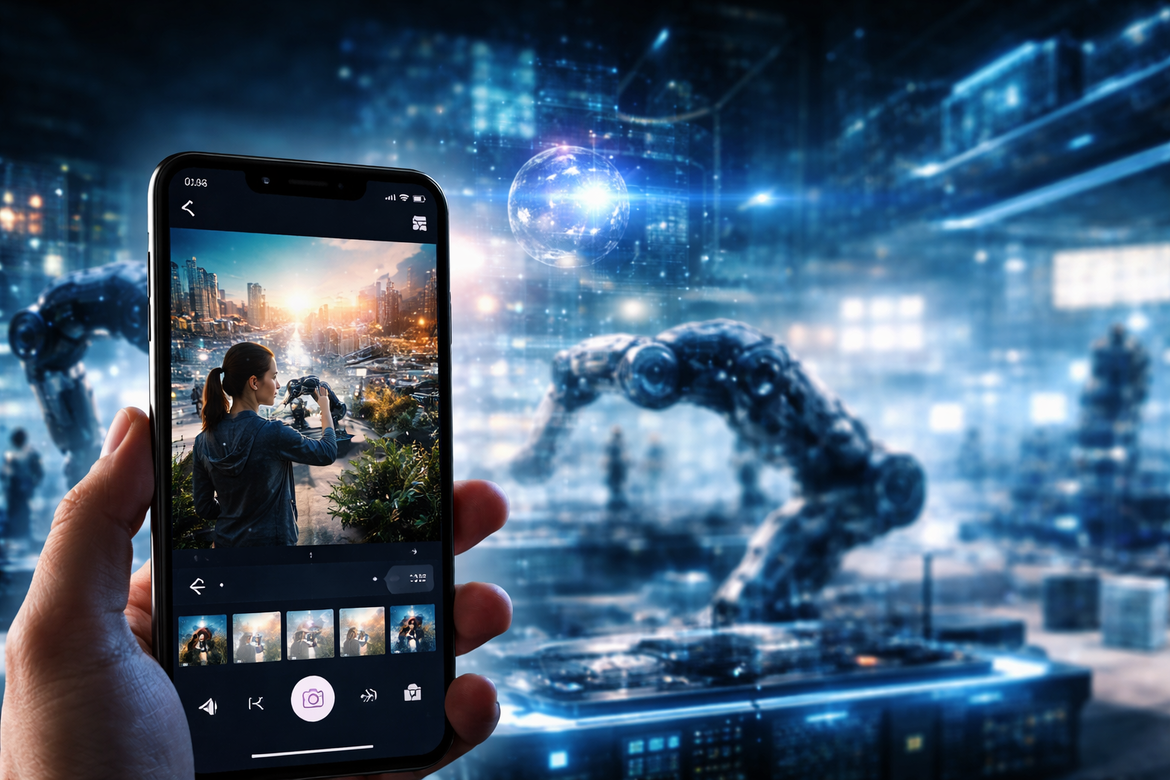
OpenAI has announced plans to shut down its standalone Sora video-generation app only months after its public launch, signaling a strategic shift toward robotics and simulation technologies designed to model the physical world.
The company confirmed the move in a message posted by the official Sora account, thanking users who had created videos with the platform and acknowledging that the decision would disappoint many in the community. The shutdown affects both the consumer-facing application and the developer API used in professional creative workflows.
We’re saying goodbye to the Sora app. To everyone who created with Sora, shared it, and built community around it: thank you. What you made with Sora mattered, and we know this news is disappointing.
We’ll share more soon, including timelines for the app and API and details on…
— Sora (@soraofficialapp) March 24, 2026
While OpenAI did not initially provide detailed reasoning, company representatives later said the Sora team would redirect its work toward world simulation research aimed at advancing robotics and other systems capable of performing real-world tasks.
The decision underscores how generative media technologies, often seen primarily as creative tools, are increasingly tied to broader efforts to build embodied artificial intelligence.
From Viral App to Strategic Pivot
Sora first drew global attention when OpenAI demonstrated its ability to generate realistic video clips from text prompts. The system quickly became one of the most widely discussed generative AI tools after ChatGPT, producing scenes that convincingly simulated lighting, motion and physical interactions.
In 2025 the company expanded the technology into a dedicated mobile app designed as a social platform for AI video creation. Users could generate short clips in a range of visual styles, remix content and share the results in a feed resembling short-form video apps.
The tool rapidly went viral online, with creators producing surreal or hyper-realistic scenes that circulated widely on social media. For many observers, Sora represented a major leap in generative AI’s ability to simulate physical environments.
Yet the product’s momentum slowed in early 2026. Competition from other AI video platforms intensified, while limits on free usage and high computational costs constrained broader adoption. Analytics firms reported falling downloads and declining engagement after the initial surge.
Maintaining such systems is also extremely resource intensive. Video generation models require significant computing infrastructure both for training and for real-time inference, forcing companies to make difficult decisions about where to allocate resources.
Why Video Models Matter for Robotics
OpenAI’s explanation for the shutdown offers a glimpse into how the company views the deeper role of generative video technology.
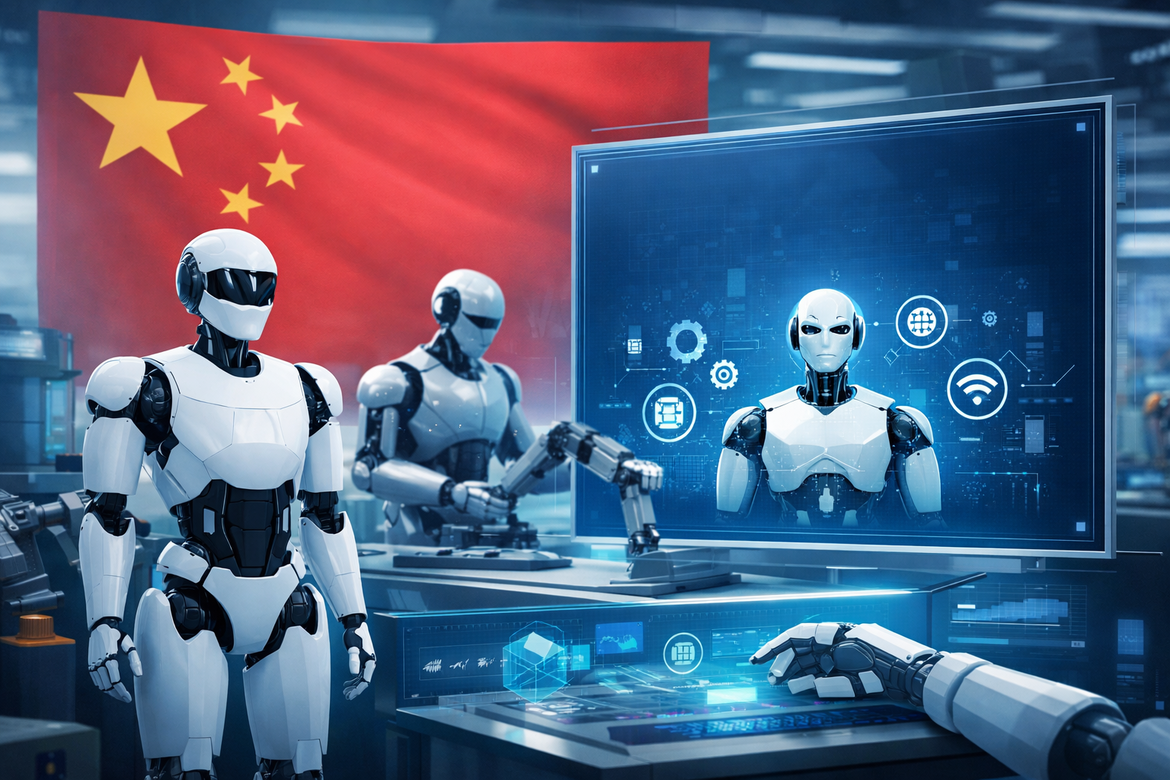
Researchers increasingly see video generation systems as an important step toward building AI models capable of understanding physical reality. By learning to simulate how objects move, interact and respond to forces, such models can form the basis of “world models” used to train robots.
In robotics research, simulated environments are already widely used to train machines before they are deployed in the real world. More advanced simulation models could dramatically accelerate that process, allowing robots to learn complex behaviors from large-scale synthetic data.
The same underlying technology that enables text-to-video generation can therefore also help teach machines how the physical world behaves.
For OpenAI, shifting Sora’s development toward world simulation aligns with a broader industry trend toward embodied AI systems that operate outside purely digital environments.
Implications for the AI Industry
The shutdown also highlights the volatile economics of generative AI products. Consumer-facing tools can achieve rapid popularity, but sustaining them requires large investments in computing infrastructure and ongoing model development.
OpenAI has increasingly consolidated features inside its core ChatGPT platform rather than maintaining multiple standalone applications. Folding Sora’s capabilities into broader systems may reduce operational overhead while preserving the underlying technology.
The move also brings an abrupt end to a high-profile partnership announced in late 2025 that would have integrated Disney intellectual property into the Sora platform. That deal reportedly included plans for a substantial investment tied to the collaboration.
For Hollywood, Sora had represented both opportunity and disruption. Studios explored using the technology for pre-visualization and concept design, while industry groups raised concerns about deepfakes and the impact on creative labor.
Now the center of gravity appears to be shifting away from media production and toward physical-world applications.
If OpenAI’s strategy proves successful, the technology behind Sora may ultimately have greater impact in robotics laboratories and industrial automation systems than it ever did in social media feeds.