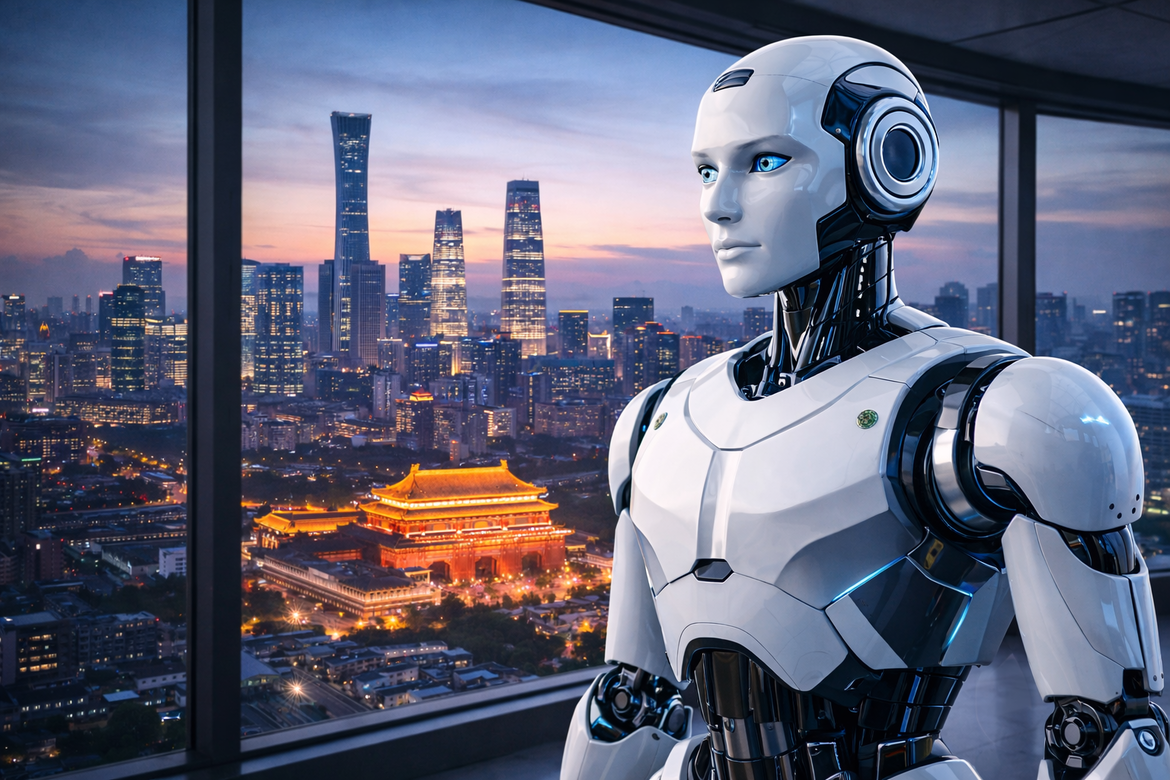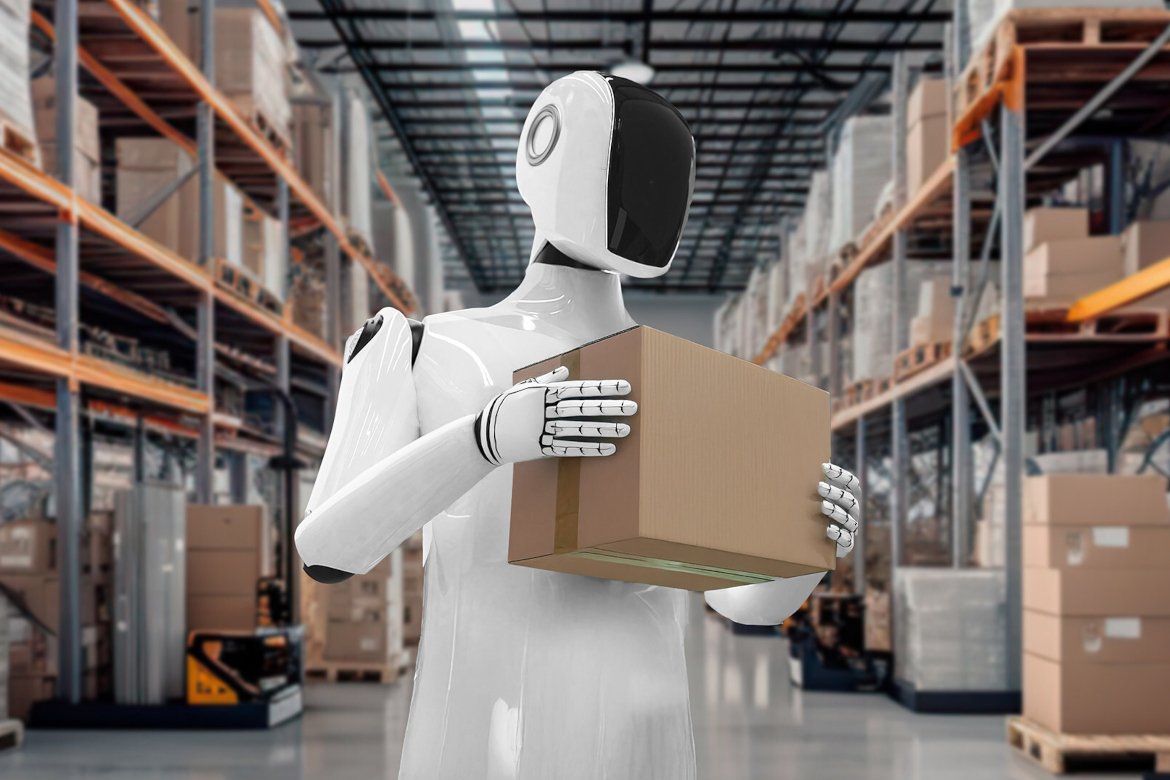
Texas Instruments and NVIDIA have expanded their collaboration to accelerate the development of robots and other machines powered by physical AI. The initiative brings together Texas Instruments’ sensing and power technologies with NVIDIA’s AI computing platforms to support the next generation of autonomous systems operating in the physical world.
The partnership reflects a broader industry shift as artificial intelligence moves beyond data centers and digital applications into machines capable of sensing, reasoning, and acting in real environments. From industrial robots and autonomous vehicles to intelligent infrastructure, physical AI systems depend on tight integration between sensors, control electronics, and high-performance AI processors.
Bridging Sensing Hardware With AI Computing
Physical AI systems rely on a continuous loop of perception, decision-making, and action. Texas Instruments supplies many of the semiconductor components that allow machines to capture real-world signals, manage energy, and control motion with high precision.
Through the expanded collaboration, TI’s sensing, power management, and real-time control technologies will work alongside NVIDIA’s AI computing platforms used in robotics and autonomy.
“Our collaboration with NVIDIA will help engineers accelerate the development of autonomous machines by combining TI’s expertise in sensing and power with NVIDIA’s AI computing platforms,” said Amichai Ron, senior vice president of embedded processing at Texas Instruments.
By linking sensing hardware with high-performance computing, the companies aim to simplify the architecture required to build intelligent robots and autonomous machines that must operate safely in unpredictable environments.
Building Infrastructure for the Physical AI Era
The collaboration also underscores the growing importance of technology infrastructure designed specifically for machines interacting with the real world. Physical AI systems require hardware and software capable of interpreting sensor data, navigating complex environments, and executing precise mechanical actions in real time.
NVIDIA has been investing heavily in platforms that support robotics and autonomy, positioning physical AI as a major growth area across industries.
“Physical AI will enable a new generation of intelligent machines that can perceive, reason and act in the real world,” said Jensen Huang, founder and CEO of NVIDIA.
Together, NVIDIA’s computing platforms and Texas Instruments’ sensing and control technologies form a foundational stack for companies developing robots, autonomous vehicles, and industrial automation systems. As robotics moves into more dynamic real-world environments, such integrated ecosystems are expected to play a central role in scaling physical AI deployment across industries.