The planned public listing of Unitree Robotics marks a turning point for the humanoid robotics sector, which has long been defined by prototypes, research funding, and speculative timelines. By moving toward an initial public offering, the Hangzhou-based company is positioning itself as one of the first large-scale tests of whether humanoid robots can sustain a viable commercial market.
Unitree filed to list on the Shanghai Stock Exchange on March 20, seeking to raise 4.2 billion yuan, or about $610 million, to expand manufacturing and research. The company’s trajectory, from viral demonstrations to profitability within a year, places it at the center of a broader shift in how robotics companies are financed and evaluated.
Profitability Arrives Ahead of Mass Adoption
Unlike many peers, Unitree enters the public markets with profitability already established. The company reported an adjusted net profit of 600 million yuan in 2025, a sharp increase from its first profitable year in 2024. Revenue rose to 1.71 billion yuan from 392 million yuan the previous year, reflecting both volume growth and expanding product adoption.
This distinguishes Unitree from earlier entrants such as UBTech Robotics, which has remained unprofitable despite going public. The contrast highlights a widening gap between companies still operating in development mode and those beginning to scale production.
Even so, the market remains early. More than 100 humanoid robotics companies currently operate in China, according to Counterpoint Research, with consolidation expected as capital markets begin to impose stricter performance expectations. Unitree’s IPO is likely to serve as an early signal of which business models can sustain investor confidence.
From Quadrupeds to Humanoids
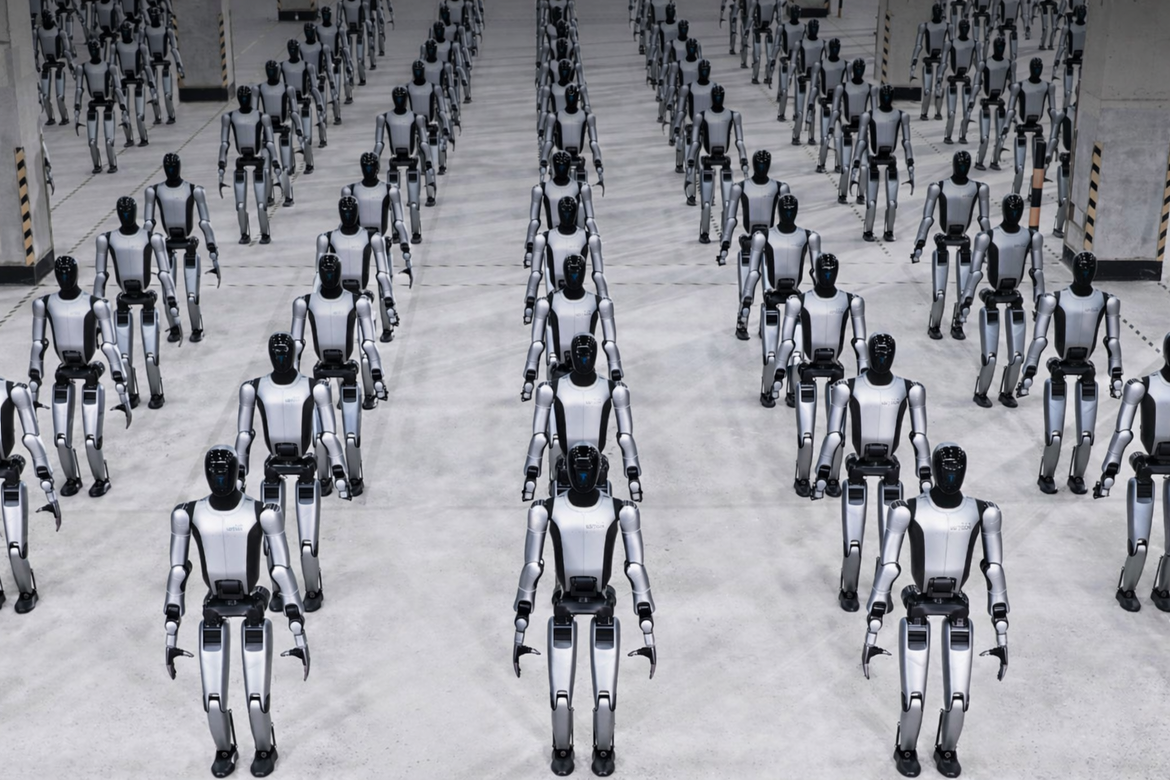
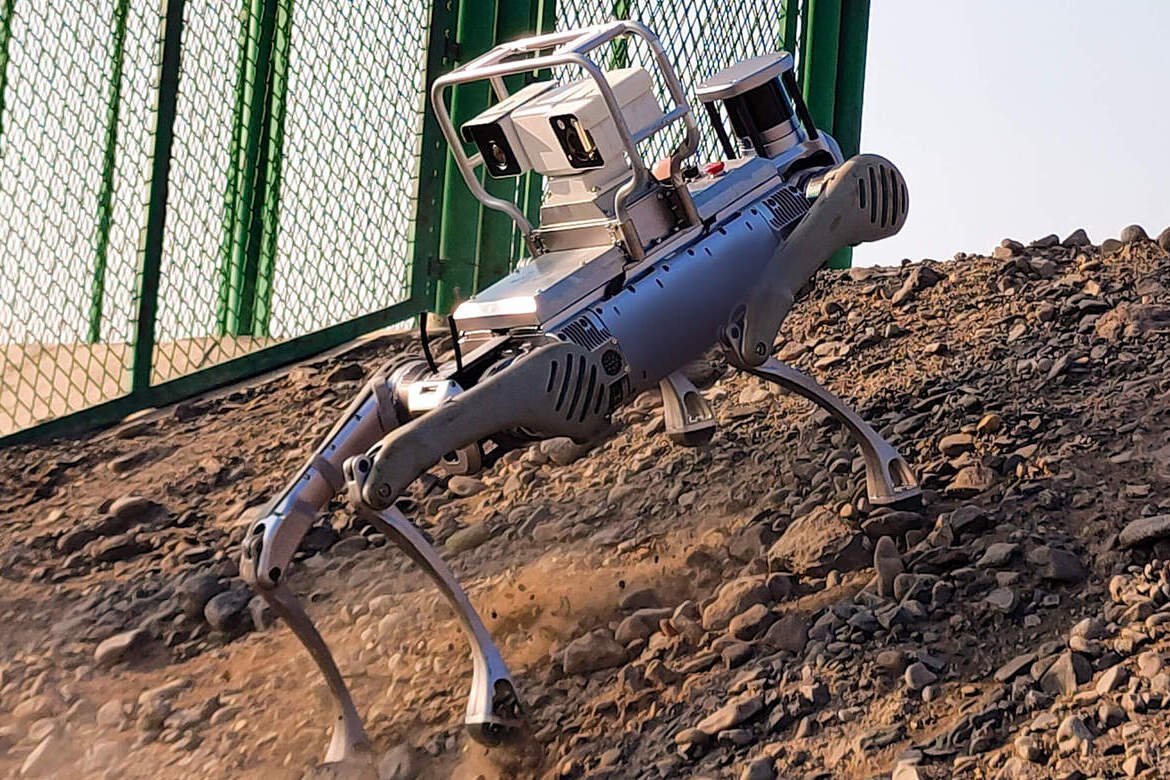
Unitree’s growth has been driven in part by a transition from quadruped robots to humanoid systems. The company shipped more than 30,000 quadrupeds between 2022 and 2025, establishing a hardware and supply chain base before scaling humanoid production.
In 2025, it sold 5,500 humanoid robots, which accounted for over half of its core revenue, up from less than 2% two years earlier. The majority of these units were sold to research institutions and educational users, indicating that widespread enterprise deployment remains limited.
The shift reflects a broader industry pattern, in which quadruped platforms have served as an intermediate step toward more complex humanoid systems. These earlier products provide revenue, operational data, and manufacturing experience that can be transferred into humanoid development.
Falling Prices and Vertical Integration
One of the more notable signals in Unitree’s prospectus is the rapid decline in pricing. The average price of its humanoid robots fell from roughly 593,400 yuan in 2023 to 167,600 yuan in 2025, bringing systems closer to a range that could support broader adoption.
At the same time, gross margins improved to nearly 60%, suggesting that cost reductions are being driven by manufacturing efficiencies rather than discounting alone. Unitree attributes this to its strategy of developing and producing key components in-house, reducing reliance on external suppliers.
This combination of falling prices and improving margins remains rare in the humanoid robotics sector, where most companies are still managing high costs and limited production volumes.
However, external dependencies remain. Like many robotics developers, Unitree relies on computing platforms and chips from Nvidia for core processing capabilities, leaving part of its supply chain exposed to geopolitical and trade uncertainties.
A Market Signal for Physical AI
Unitree’s IPO arrives amid intensifying global competition in humanoid robotics. In the United States, Elon Musk has said that Tesla plans to begin retail sales of its Optimus robots by 2027, framing humanoids as a future mass-market product.
At the same time, the concept of “physical AI” – systems that combine machine learning with real-world interaction – is gaining traction across the industry. Unitree’s robots were featured alongside other platforms at a recent conference led by Jensen Huang, underscoring growing alignment between hardware manufacturers and AI infrastructure providers.
Despite this momentum, near-term demand remains concentrated in research, education, and controlled industrial environments. Unitree’s own projections, which include plans to produce tens of thousands of humanoids annually within five years, suggest confidence in scaling, but not necessarily immediate mass adoption.
The company’s public listing will therefore function as more than a financing event. It will offer one of the first measurable indicators of whether investors view humanoid robotics as an emerging industrial category or as a longer-term technological bet.