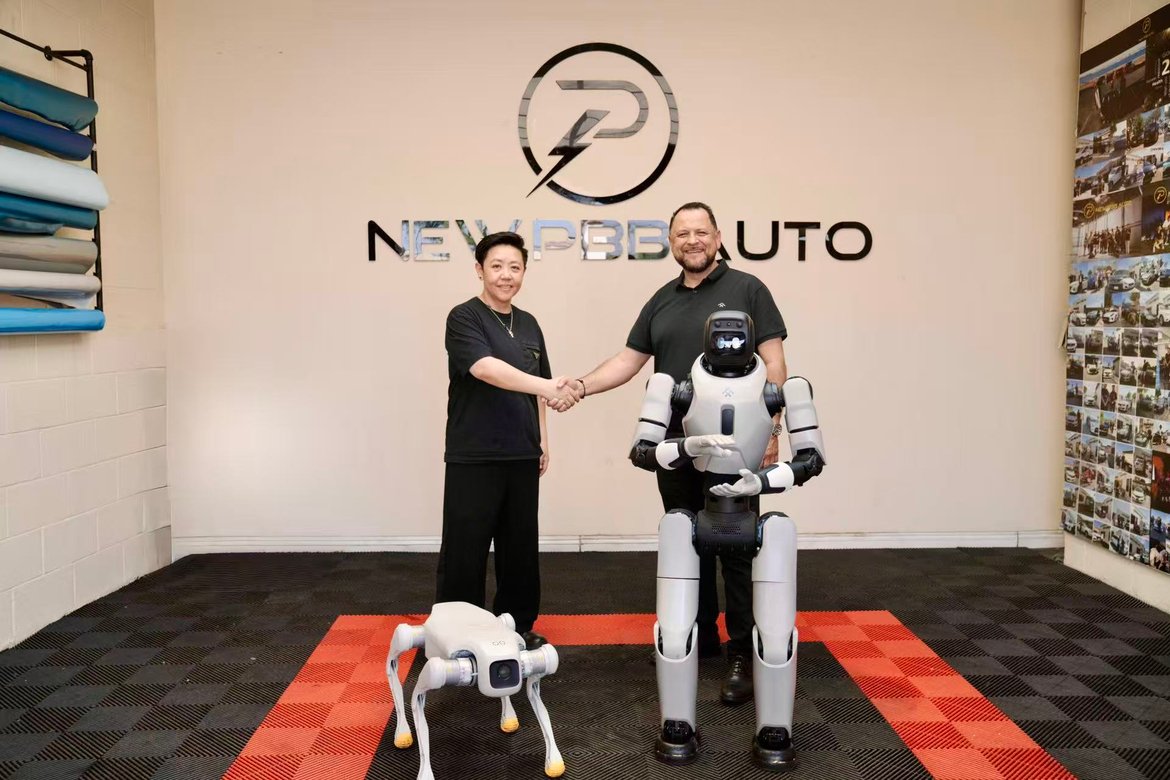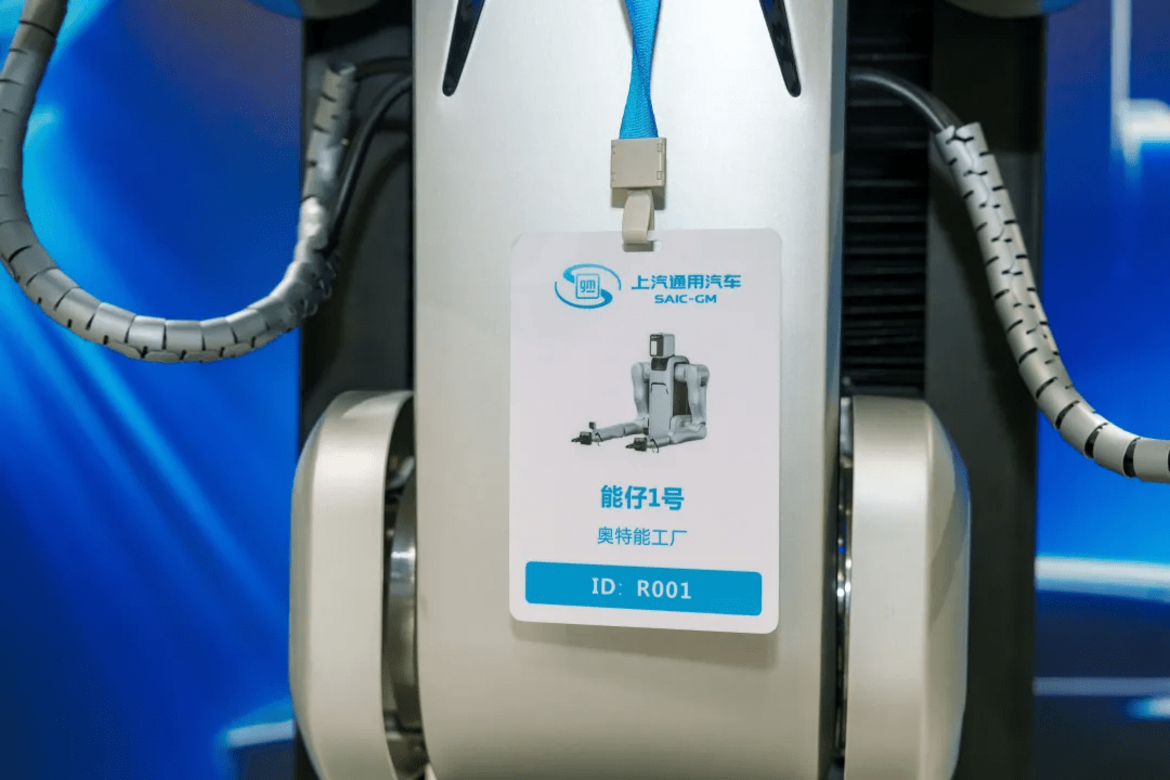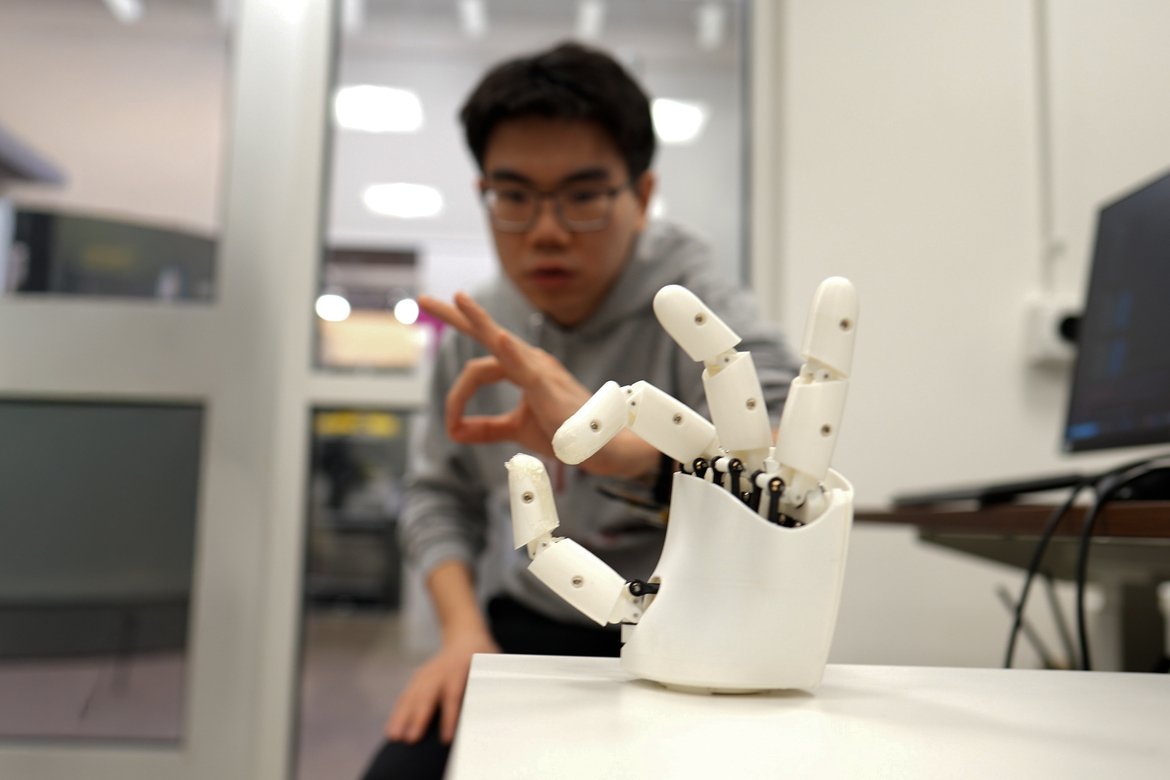
U.S. lawmakers are preparing to introduce legislation that would prohibit federal agencies from purchasing or operating humanoid robots made by Chinese companies, marking a new phase in the geopolitical competition over robotics and artificial intelligence.
The proposed American Security Robotics Act, backed by bipartisan leadership in the Senate, would bar the use of government funds to acquire or deploy unmanned ground systems from adversarial nations, including China. A companion bill is expected in the House of Representatives.
The measure reflects growing concern in Washington that advanced robotics systems could pose security risks as they become more capable, connected and embedded in critical operations.
Robotics Becomes a Security Issue
The legislation is framed around the idea that humanoid robots and other autonomous systems could collect sensitive data or be remotely influenced by foreign actors.
Lawmakers argue that as robots gain more sensors, connectivity and autonomy, they may introduce vulnerabilities not present in traditional hardware. Concerns include the potential for data transmission back to foreign entities or remote control capabilities embedded in the systems.
The bill would include limited exemptions for military and law enforcement research, provided that such systems are isolated from external communication channels.
The proposal follows earlier scrutiny of Chinese robotics firms, some of which have drawn attention from U.S. officials over potential links to state-backed initiatives.
A Growing Global Robotics Rivalry
The timing of the bill highlights intensifying competition between the United States and China in the development of humanoid robots and embodied AI systems.
Chinese companies have rapidly advanced in the sector, with firms such as Unitree and Agibot gaining visibility through new product launches and planned public listings. At the same time, U.S. companies including Tesla and a new wave of startups are investing heavily in humanoid robotics.
The competition is not only technological but also industrial. Humanoid robots are increasingly viewed as a potential platform for automating labor across manufacturing, logistics and service industries.
As a result, governments are beginning to treat robotics as a strategic technology with implications for economic competitiveness and national security.
Policy Meets Physical AI
The proposed legislation underscores a broader shift in how policymakers are approaching artificial intelligence.
While earlier debates focused largely on software – including data privacy, algorithmic bias and generative AI – the emergence of embodied AI is introducing new considerations tied to physical systems.
Robots operate in real-world environments, interact with infrastructure and may handle sensitive materials or data. These characteristics raise questions about supply chains, system integrity and operational control.
At the same time, policymakers are seeking to support domestic robotics development. Proponents of the bill argue that restricting foreign systems could help strengthen U.S. industry while reducing potential risks.
Whether the legislation passes in its current form remains uncertain. But its introduction signals that humanoid robotics is no longer just a technological race – it is increasingly a matter of national policy.