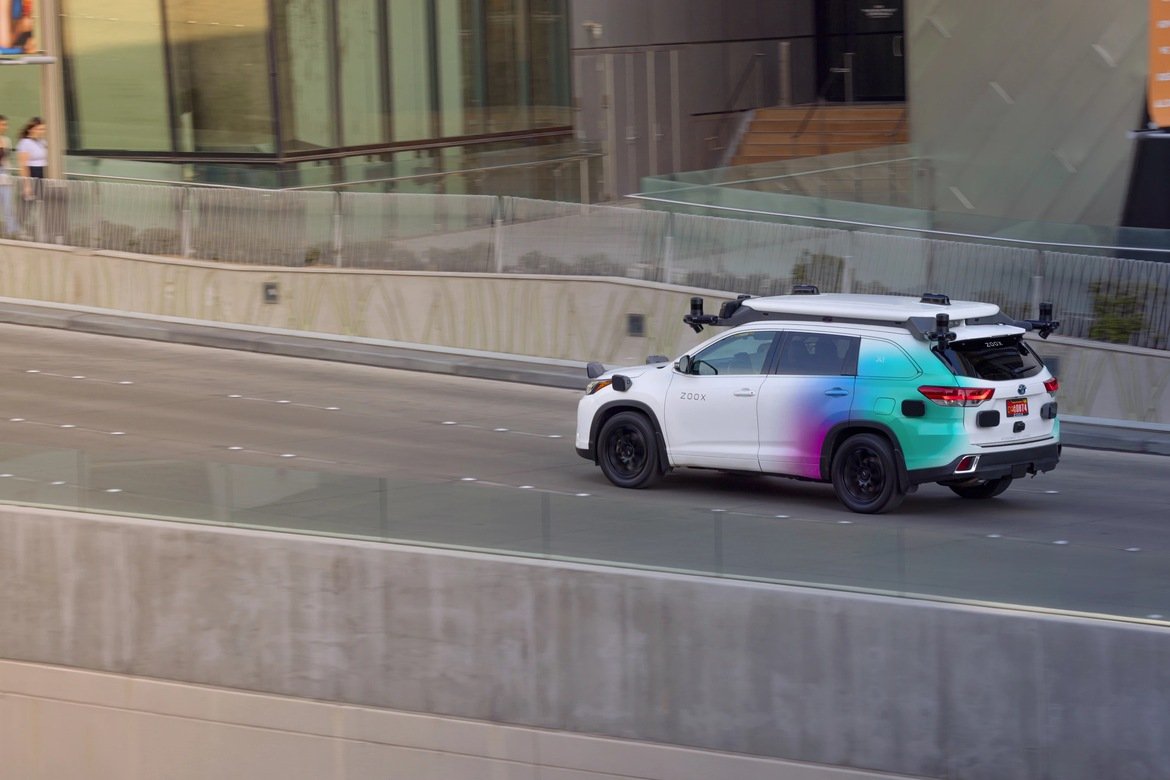
Amazon-owned autonomous vehicle company Zoox is expanding its robotaxi testing program to Phoenix, Arizona, and Dallas, Texas, as the company continues building toward commercial deployment of its purpose-built autonomous vehicles.
The expansion will introduce Zoox’s autonomous driving technology into two additional urban environments while also supporting the launch of new operational infrastructure, including fleet depots and a new operations center in Scottsdale, Arizona.
With these additions, Zoox now operates testing fleets across ten major U.S. markets, reflecting a broader effort by autonomous vehicle developers to gather real-world data across diverse driving conditions.
Testing in New Environments
The first phase of Zoox’s rollout in Phoenix and Dallas will involve a small number of retrofitted SUVs used for mapping and early testing.
These vehicles will initially be driven manually as engineers map city streets and gather environmental data. Autonomous testing will follow, with safety drivers remaining behind the wheel to intervene if necessary.
Once the company completes this phase, Zoox plans to deploy its purpose-built robotaxi vehicles in both cities.
Each location presents unique testing conditions. Phoenix offers an opportunity to evaluate sensor performance and vehicle durability in extreme heat and dusty environments, particularly on high-speed roads common in the region.
Dallas, meanwhile, provides a complex road network and more variable weather patterns, helping engineers refine how the autonomous system handles diverse driving scenarios.
A Partnership with Uber
At the same time, Zoox is expanding its distribution strategy through a new partnership with Uber.
Under a multi-year agreement, Zoox robotaxis will be integrated into Uber’s ride-hailing platform, allowing users to request autonomous rides through the Uber app in selected cities.
The first integration is expected to begin in Las Vegas later this year, followed by Los Angeles in 2027.
Zoox will continue offering rides through its own mobile application as well, effectively operating on both its proprietary platform and Uber’s global network.
The partnership reflects Uber’s strategy of collaborating with autonomous vehicle developers rather than building its own driverless technology.
Uber previously ran an in-house autonomous vehicle program but sold the division after a fatal crash in 2018. Since then, the company has shifted toward forming partnerships with technology developers.
Building the Infrastructure for Autonomous Fleets
Supporting Zoox’s growing robotaxi program is a network of facilities known as Fusion Centers.
The company is opening a third such facility in Scottsdale, Arizona, joining existing centers in Las Vegas and the San Francisco Bay Area.
These facilities function as operational command centers, coordinating autonomous fleets through teleoperations, mission control, and rider support systems.
Fusion Centers allow human operators to assist vehicles in complex scenarios, manage fleet operations, and provide customer service for passengers.
Since launching its early robotaxi service in Las Vegas and testing programs in San Francisco, Zoox says its vehicles have completed more than one million autonomous miles and transported over 300,000 passengers.
The company’s robotaxi design differs from traditional vehicles. The fully autonomous platform eliminates the steering wheel and pedals, replacing them with a bidirectional cabin featuring face-to-face seating intended to encourage social interaction among riders.
The Growing Robotaxi Race
Zoox’s expansion highlights the intensifying competition among companies seeking to deploy autonomous ride-hailing services.
Developers such as Waymo, Cruise, and several emerging startups are all testing driverless vehicles across multiple U.S. cities, racing to demonstrate safe and scalable operations.
For Zoox, the strategy combines purpose-built vehicles, extensive real-world testing, and partnerships with major mobility platforms.
As autonomous driving technology moves from pilot programs toward commercial deployment, cities like Phoenix and Dallas are becoming critical testing grounds for the next phase of driverless transportation.