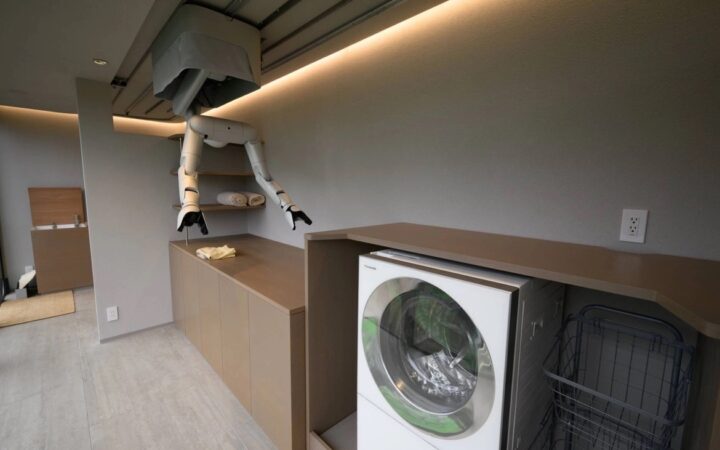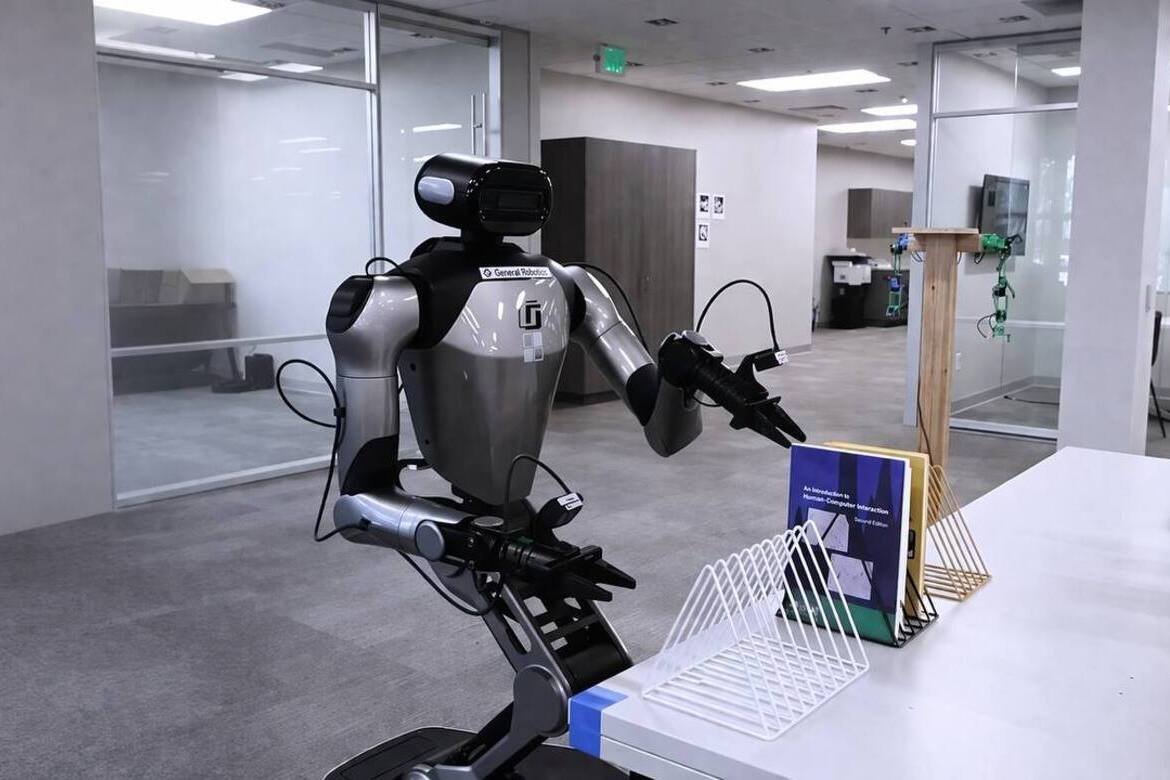


Accenture has invested in General Robotics, a startup building a unified AI intelligence platform for industrial robots, through its Accenture Ventures arm. The two companies will also partner to help manufacturers, logistics operators, and other asset-intensive industries deploy autonomous robotic systems at scale. Financial terms were not disclosed.
The deal reflects a wider strategic push by Accenture to move beyond software consulting and into the physical infrastructure of AI-driven automation.
The Problem GRID Is Designed to Solve
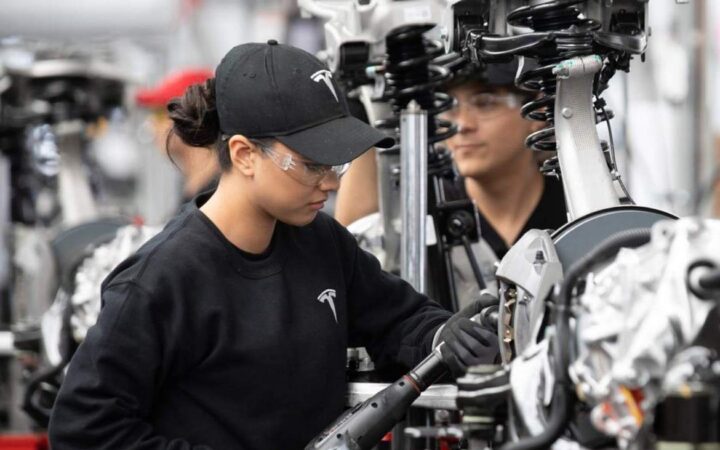
Most factories operate robots from multiple manufacturers, each running its own software stack, programming language, and integration requirements. Scaling automation across a multi-vendor fleet is expensive and slow, and the cost has historically limited full deployment to only the largest industrial operators.
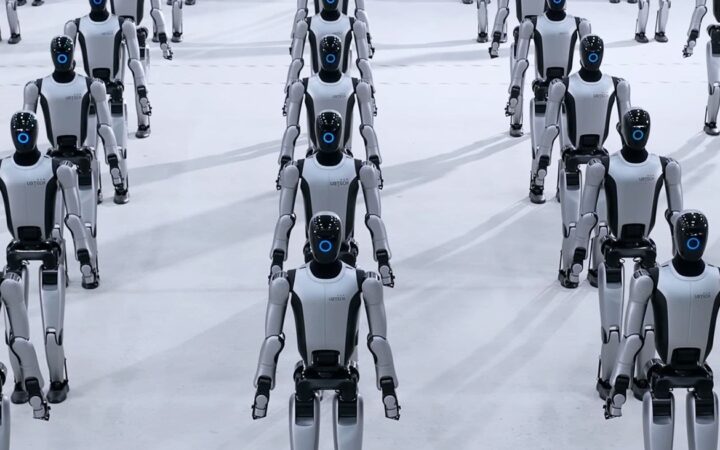
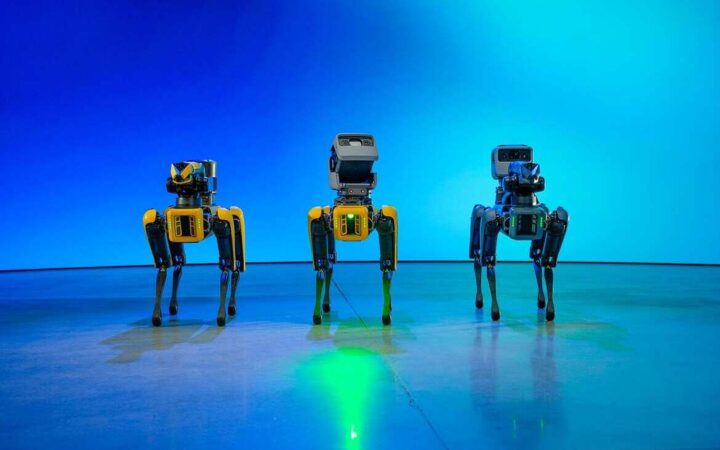
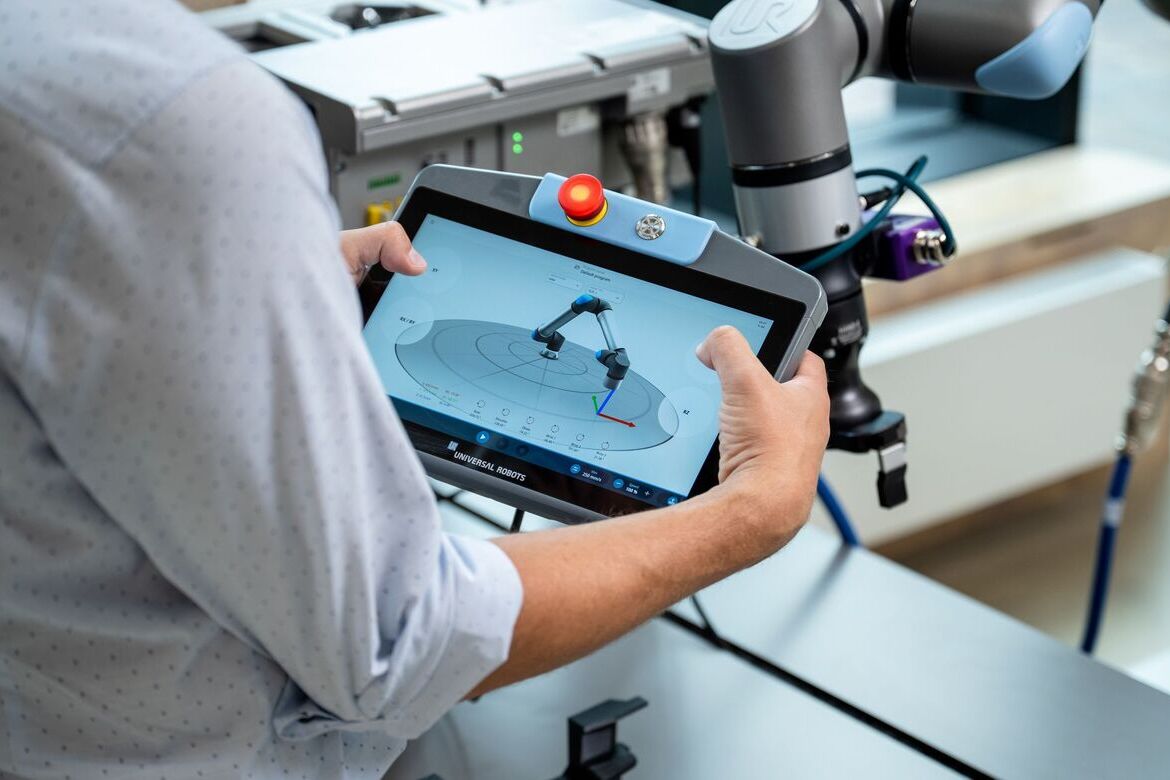
General Robotics addresses this with GRID, a platform that sits above the hardware layer and connects robots from more than 40 manufacturers – including FANUC, Flexiv, Ghost Robotics, and Galaxea – under a single orchestration framework. Rather than programming each machine individually, GRID offers modular, reusable AI skills deployable across different hardware through cloud-based orchestration, simulation-based training, and full data sovereignty for enterprise customers.
“While robotics hardware and AI models advance at a rapid pace, real-world impact is constrained by the lack of a unified intelligence infrastructure,” said Ashish Kapoor, CEO and co-founder of General Robotics. Kapoor previously served as general manager of autonomous systems and robotics research at Microsoft, where he created AirSim, a widely used open-source simulator for training autonomous vehicles and drones.
Accenture’s Physical AI Strategy
The investment extends an infrastructure position Accenture has been building for over a year. The company launched its Physical AI Orchestrator in October 2025, a system that uses NVIDIA Omniverse libraries and the NVIDIA Mega Blueprint to coordinate robotic and autonomous systems in industrial settings. GRID integrates NVIDIA Isaac Sim, allowing manufacturers to train robotic AI skills in digital twins before deploying them on physical hardware – a capability that aligns directly with Accenture’s existing toolchain.
Where Accenture’s Physical AI Orchestrator handles coordination at the facility level, GRID handles robot-level AI – the skills, perception, and decision-making that individual machines need to perform complex tasks autonomously. Together, the two layers form a more complete stack for enterprise robotics deployment.
Prior investments in Sanctuary AI and a partnership with Schaeffler for industrial humanoid robots in automotive manufacturing point to a consistent thesis: Accenture is positioning itself as the primary integrator for physical AI at the enterprise level.
Scale and Market Context
“Piloting robotic systems takes too long, is expensive, and often not scalable and repeatable across a network of facilities,” said Prasad Satyavolu, Accenture’s global lead for manufacturing and operations. The stated goal of the partnership is to compress that deployment cycle by delivering an enterprise-grade robotics intelligence and orchestration layer that clients can apply across multiple facilities.
The physical AI market is projected to grow from roughly $1.5 billion in 2026 to more than $15 billion by 2032. A Deloitte survey found that 58% of global business leaders are already using some form of physical AI, though scaled deployment remains concentrated in automotive, electronics, and logistics. General Robotics remains an early-stage company without publicly reported revenue figures, and the broader challenge – persuading manufacturers to adopt an independent orchestration layer over proprietary vendor platforms – will require demonstrated performance on working factory floors, not just in simulation.
Disclaimer: RobotsBeat is an independent media brand owned and operated by NuvexMedia LLC, publishing news, research, and insights on artificial intelligence, emerging technologies, automation, and related industries. NuvexMedia LLC invests in and collaborates with companies across the AI, Robotics, technology, software, and digital innovation sectors. These relationships do not influence RobotsBeat's editorial coverage, and the publication maintains full editorial independence to provide accurate, timely, and objective information. © 2026 NuvexMedia LLC. All rights reserved. This content is for informational purposes only and should not be considered legal, tax, investment, financial, or other professional advice.