

Asus Halts New Smartphone Development to Pivot Toward AI and Robotics
Asus is winding down new smartphone development as it redirects resources toward AI computing, robotics, and physical AI systems for industrial and enterprise markets.
Artificial Intelligence (AI) refers to computational systems designed to perform tasks that typically require human intelligence, such as perception, reasoning, learning, and decision-making. In the robotics and automation ecosystem, AI acts as the cognitive layer that enables machines to interpret data, adapt to environments, and operate with increasing autonomy. This topic covers core AI disciplines including machine learning, computer vision, natural language processing, and reinforcement learning, as well as their integration into physical systems. It also examines how advances in AI models, data infrastructure, and edge computing are reshaping industries such as manufacturing, logistics, healthcare, and mobility. Alongside technical developments, the topic addresses governance, safety, and ethical considerations as AI systems become more embedded in real-world operations. AI remains a foundational force driving the evolution of intelligent machines and automated decision-making across the global economy.
Asus is winding down new smartphone development as it redirects resources toward AI computing, robotics, and physical AI systems for industrial and enterprise markets.
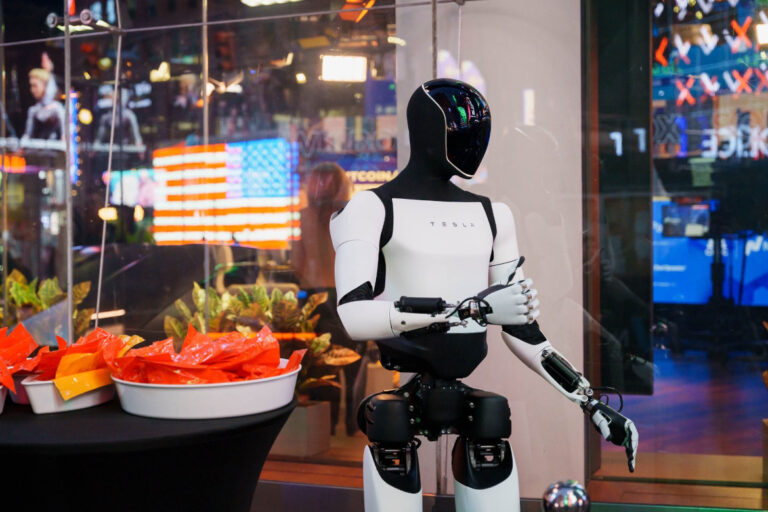
Elon Musk says Tesla’s humanoid robots could eventually become more valuable than its electric vehicle business, positioning robotics as the company’s long-term growth engine.
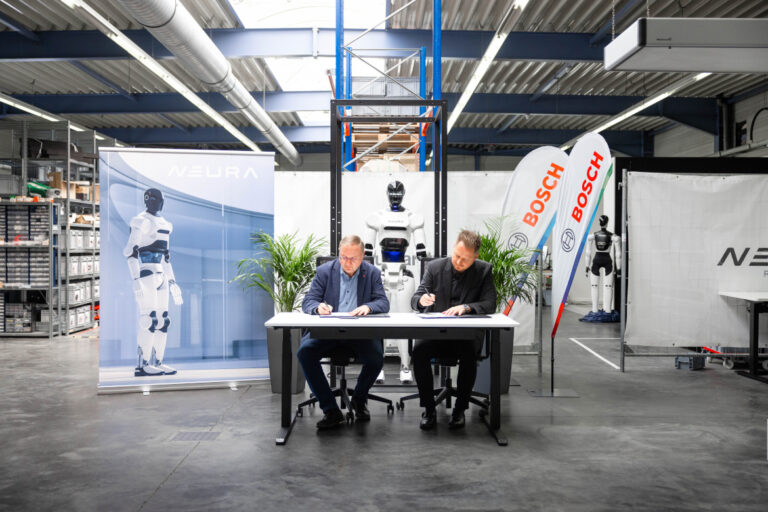
NEURA Robotics and Bosch have formed a strategic partnership to industrialize humanoid robots and physical AI in Germany, combining real-world data collection with large-scale manufacturing expertise.
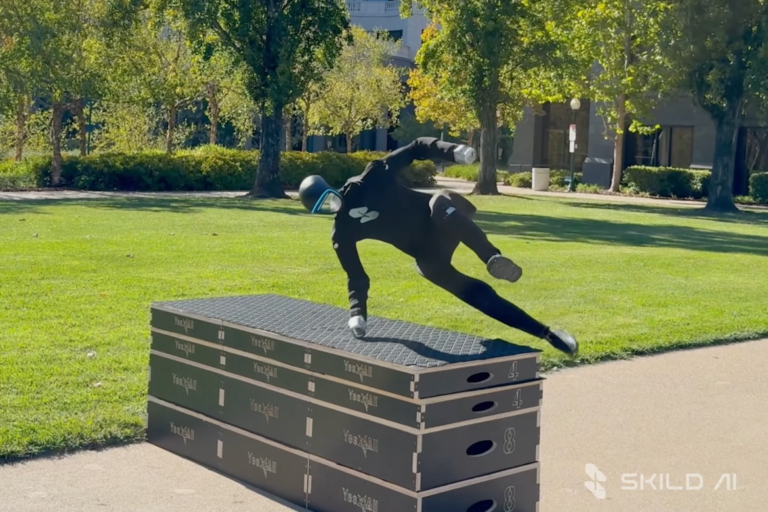
Skild AI raised nearly $1.4 billion in a funding round led by SoftBank, valuing the robotics AI company at more than $14 billion as it scales…

CES 2026 marked a turning point for Physical AI, as humanoids, autonomous machines, and AI-driven platforms moved from experiments to scalable, real-world systems.
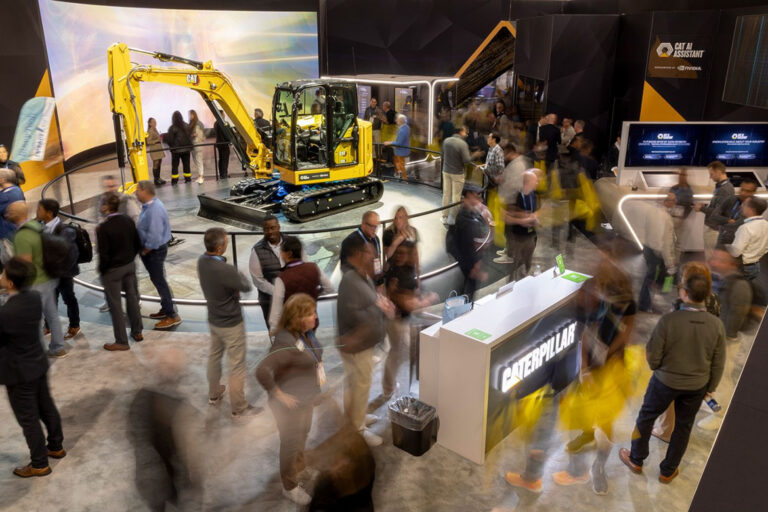
Caterpillar and NVIDIA deepened their partnership at CES 2026, outlining how Physical AI will transform construction, mining, manufacturing, and industrial supply chains.
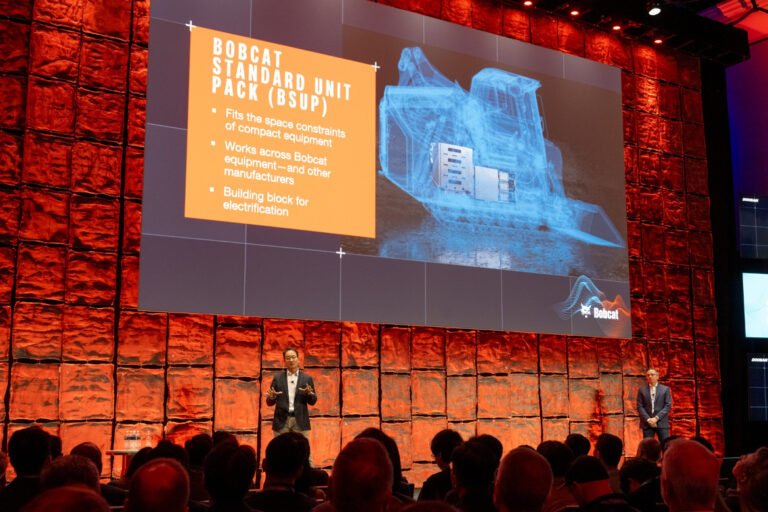
Doosan Bobcat introduced the RX3 autonomous concept loader and a suite of AI-powered jobsite technologies at CES 2026, signaling a shift toward smart, electrified construction equipment.
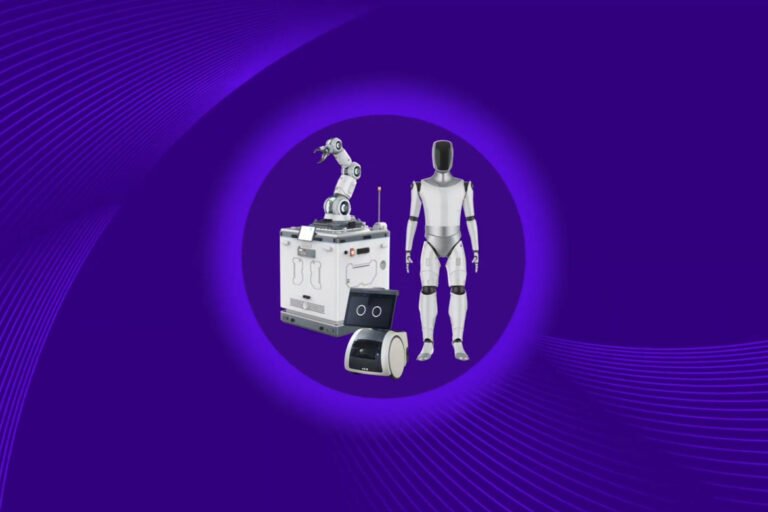
Qualcomm introduced a comprehensive robotics technology stack at CES 2026, unveiling new processors and partnerships aimed at scaling Physical AI from service robots to full-size humanoids.
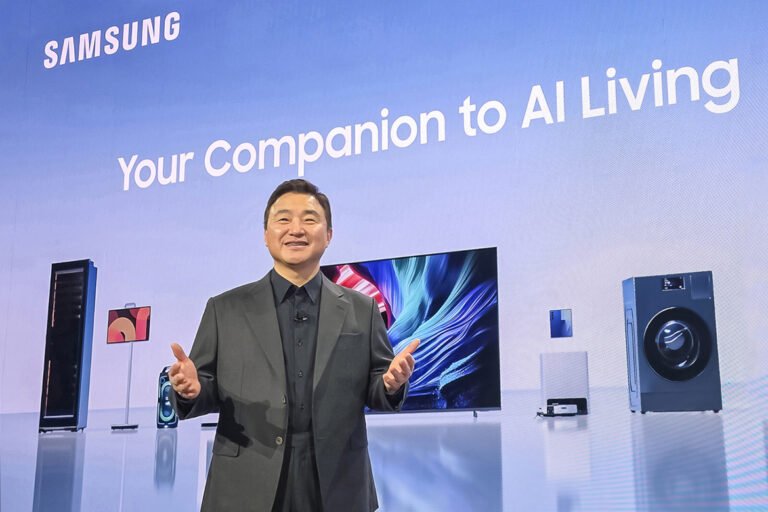
Samsung unveiled its “Companion to AI Living” vision at CES 2026, outlining how AI will connect entertainment, home appliances, health, and services into a unified ecosystem.
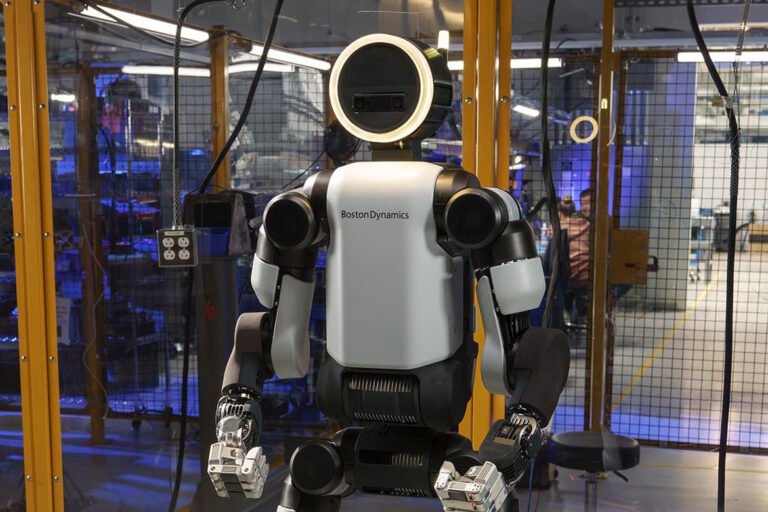
Boston Dynamics and Google have renewed their collaboration at CES 2026, combining advanced AI with the next generation of the Atlas humanoid robot.
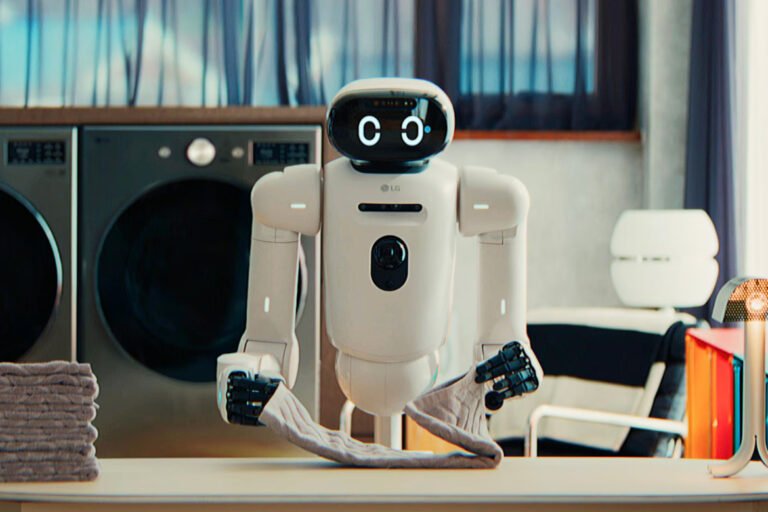
LG Electronics demonstrated its AI-powered CLOiD home robot at CES 2026, highlighting autonomous cooking, laundry folding, and dishwasher management as part of its Zero Labor Home…
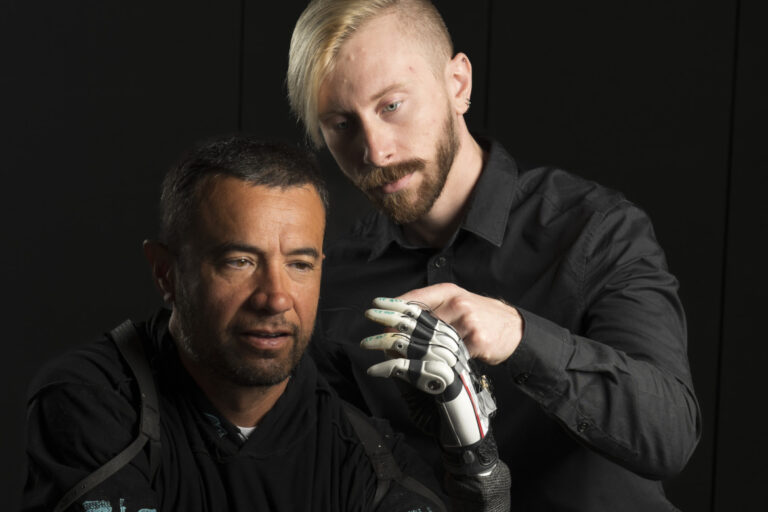
Researchers at the University of Utah used artificial intelligence to improve control of a robotic prosthetic hand, reducing cognitive effort while increasing grip precision and stability.