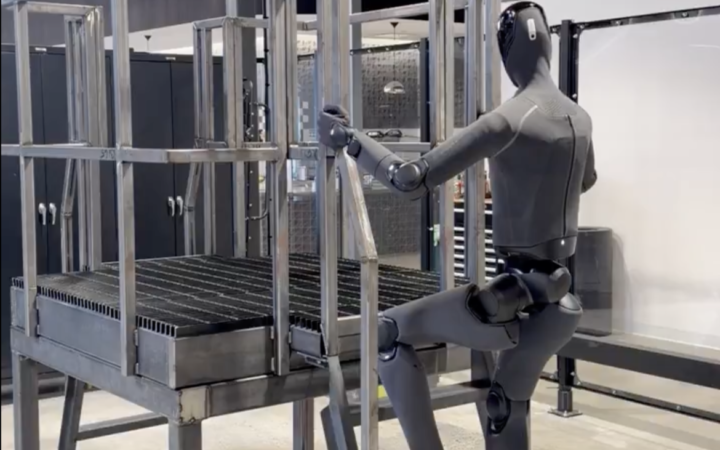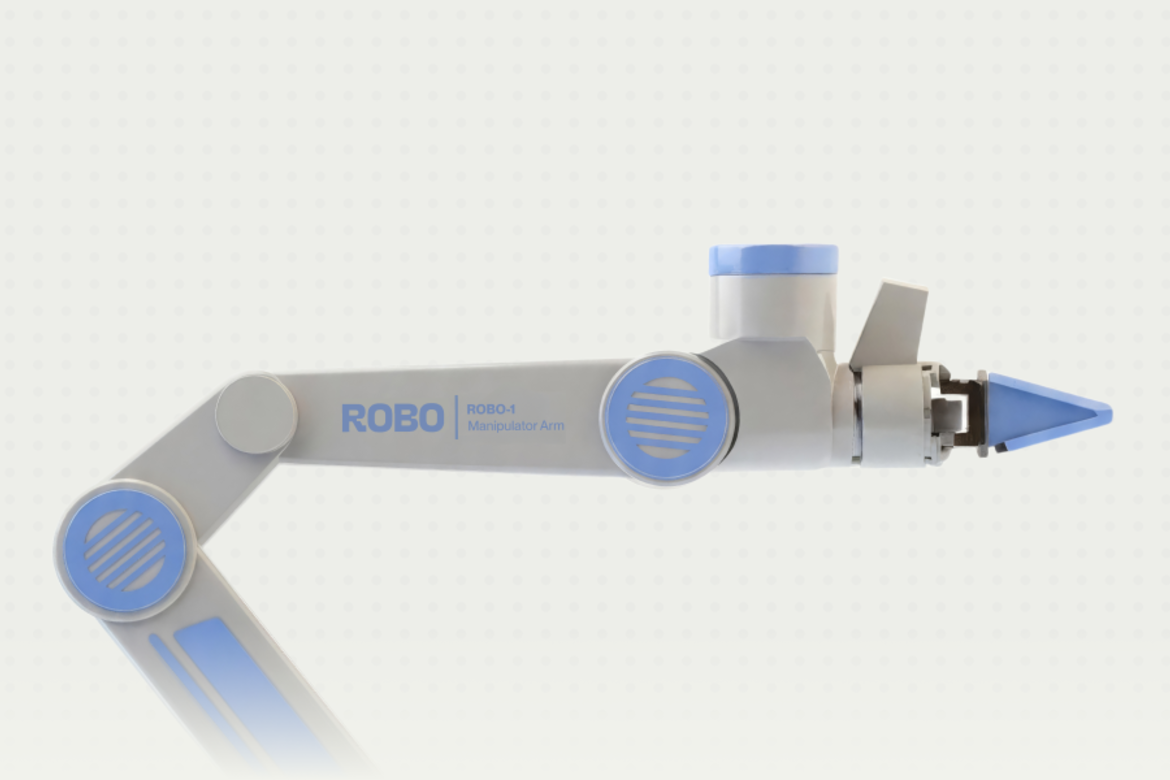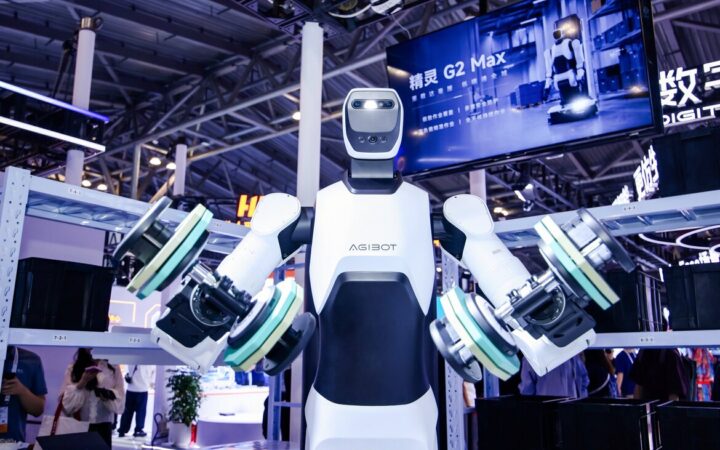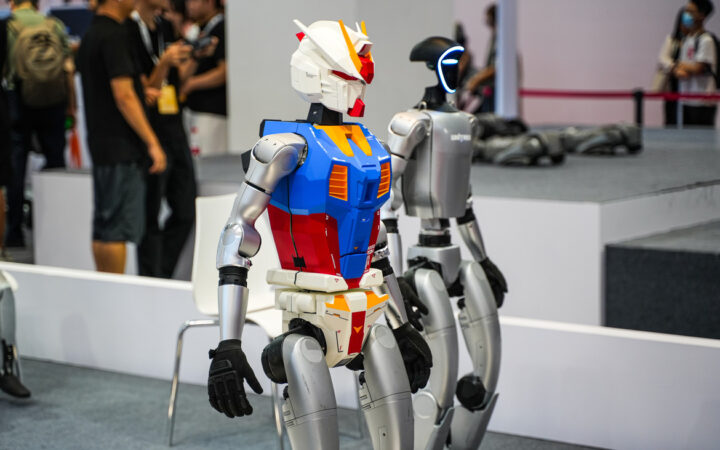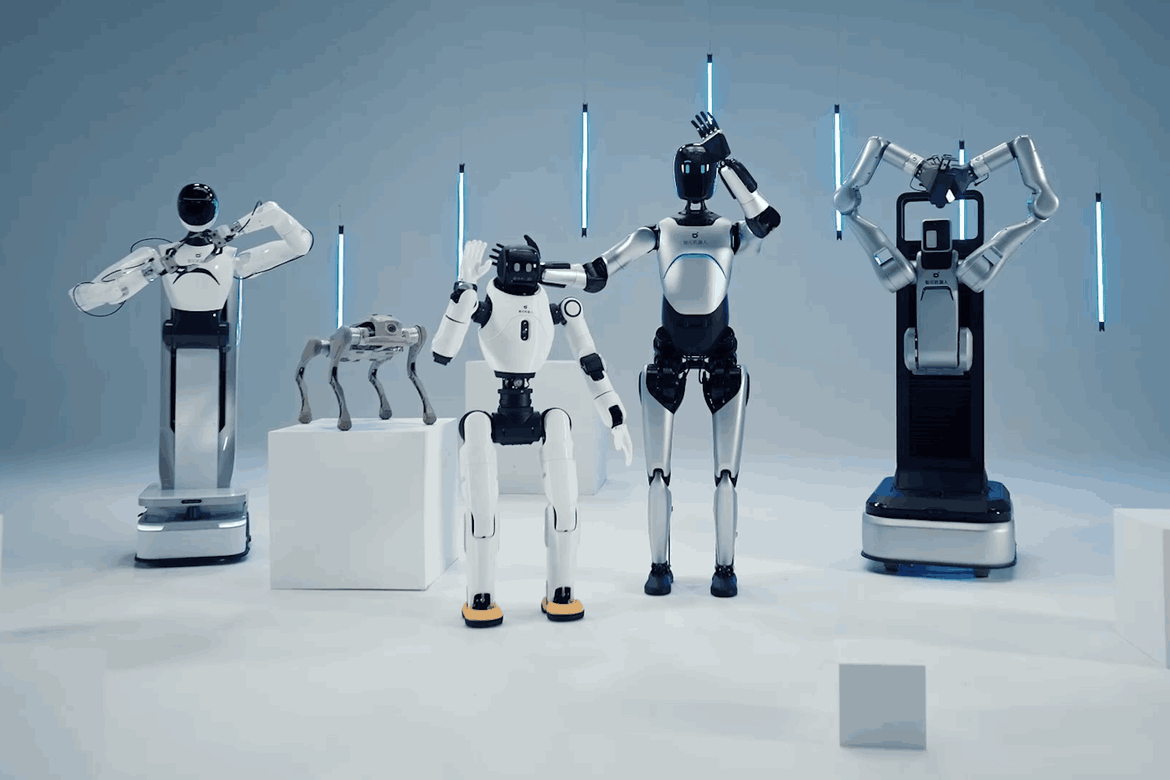

According to a new market assessment from Omdia, Shanghai-based AGIBOT ranked first worldwide in humanoid robot shipments in 2025. The ranking reflects delivered units rather than pilot announcements or experimental deployments, marking an important milestone as humanoid robotics moves beyond research labs and controlled demonstrations.
Omdia’s Market Radar: General-Purpose Embodied Intelligent Robots 2026 frames humanoid robots as an emerging product category entering its earliest phase of commercialization. Instead of highly customized machines built for single tasks, the market is beginning to favor standardized humanoid platforms designed to operate across multiple environments such as logistics hubs, public spaces, educational settings, and light industrial facilities.
The report emphasizes that shipment volume is becoming a critical indicator of progress in physical AI. Each deployed humanoid robot not only performs tasks but also generates real-world interaction data, accelerating learning cycles and improving system robustness over time.
From Research Prototypes to Scaled Shipments
AGIBOT’s lead in shipments reflects a strategy centered on controlled scalability rather than headline-grabbing prototypes. The company has focused on deploying humanoid platforms that balance mobility, stability, and cost efficiency, prioritizing environments where robots can operate alongside humans under predictable conditions.
Analysts note that early shipment leadership does not guarantee long-term dominance, but it creates structural advantages. Real-world data remains one of the scarcest resources in humanoid robotics, and companies with active deployments gain faster feedback on perception, manipulation, navigation, and human-robot interaction.
Omdia also highlights that competition in the humanoid sector remains intense. Companies in the United States, Europe, and Japan are investing heavily in software-centric approaches, while automotive and electronics manufacturers increasingly view humanoid robots as an extension of their embodied AI strategies.
Humanoid Robotics Moves Toward Commercial Reality
The report situates humanoid robots within a broader transition toward general-purpose embodied intelligence – machines designed to function in spaces originally built for people. Rather than replacing traditional industrial robots, humanoids are positioned to complement existing automation by handling tasks that require flexibility, mobility, and contextual awareness.
Omdia identifies Asia, particularly China, as the most aggressive region in early humanoid commercialization, driven by manufacturing scale, integrated supply chains, and sustained investment in robotics infrastructure. At the same time, demand is expected to broaden globally as enterprises explore service, healthcare, and customer-facing applications.
While the humanoid robotics market remains in its formative stage, shipment data suggests a clear shift is underway. Leadership is increasingly defined by deployed systems rather than conceptual ambition, signaling that physical AI is beginning its transition from promise to presence.
Disclaimer: RobotsBeat is an independent media brand owned and operated by NuvexMedia LLC, publishing news, research, and insights on artificial intelligence, emerging technologies, automation, and related industries. NuvexMedia LLC invests in and collaborates with companies across the AI, Robotics, technology, software, and digital innovation sectors. These relationships do not influence RobotsBeat's editorial coverage, and the publication maintains full editorial independence to provide accurate, timely, and objective information. © 2026 NuvexMedia LLC. All rights reserved. This content is for informational purposes only and should not be considered legal, tax, investment, financial, or other professional advice.