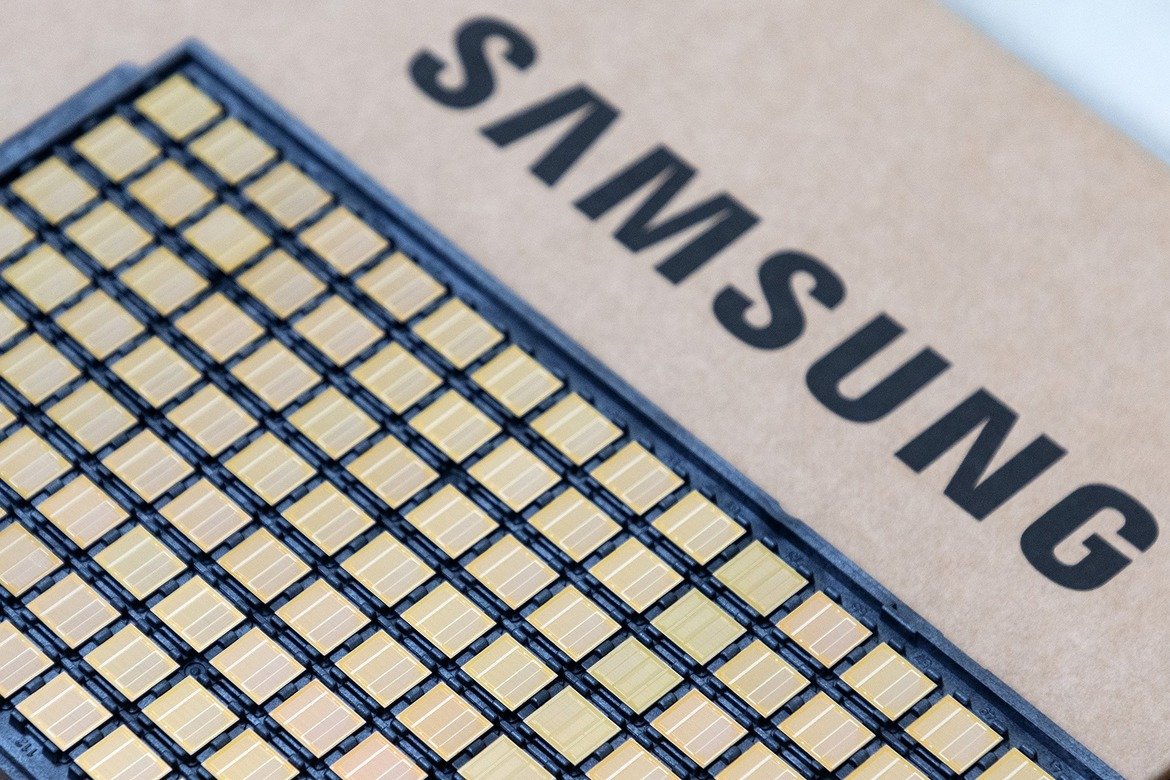


Samsung Electronics has announced a plan to transform its global manufacturing operations into fully AI driven factories by 2030, signaling a major shift toward autonomous production environments powered by artificial intelligence and robotics.
The strategy aims to integrate AI systems across the entire manufacturing value chain, including material logistics, production lines, quality inspection, and final product distribution. By embedding AI agents and digital twin simulations into factory operations, Samsung intends to create production systems capable of monitoring conditions, predicting failures, and optimizing workflows in real time.
The initiative reflects a broader industrial shift toward intelligent manufacturing systems in which automation is combined with AI decision-making to create more adaptive production environments.
Agentic AI Becomes the Core of Factory Operations
At the center of Samsung’s strategy is the deployment of agentic AI systems capable of planning, executing, and optimizing manufacturing processes autonomously. These specialized AI agents will manage different aspects of factory operations, including production scheduling, logistics coordination, and equipment maintenance.
Digital twin technology will support this approach by creating virtual replicas of factory environments. These simulations allow engineers and AI systems to test production changes, validate processes, and predict potential disruptions before they occur in physical facilities.
By combining simulation with real-time operational data, Samsung aims to improve efficiency while reducing downtime and production errors.
AI agents will also analyze large volumes of manufacturing data to identify patterns related to equipment performance and product quality. These insights can help factories detect defects earlier and prevent failures before they impact production output.
Robotics Expands Across the Production Floor
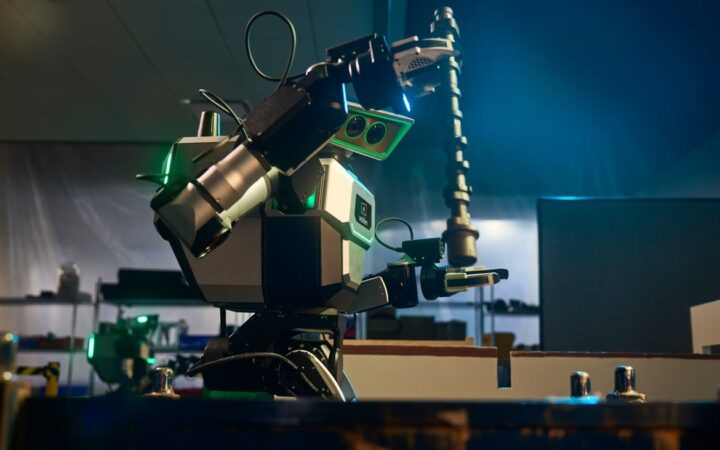
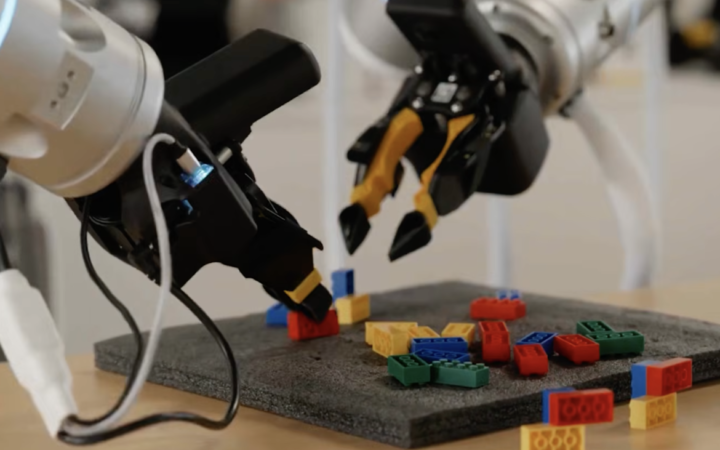
Samsung plans to deploy multiple categories of robotics as part of its transition to AI-driven manufacturing. These include robots designed for production line operations, logistics robots responsible for transporting materials, and assembly robots capable of performing precision manufacturing tasks.
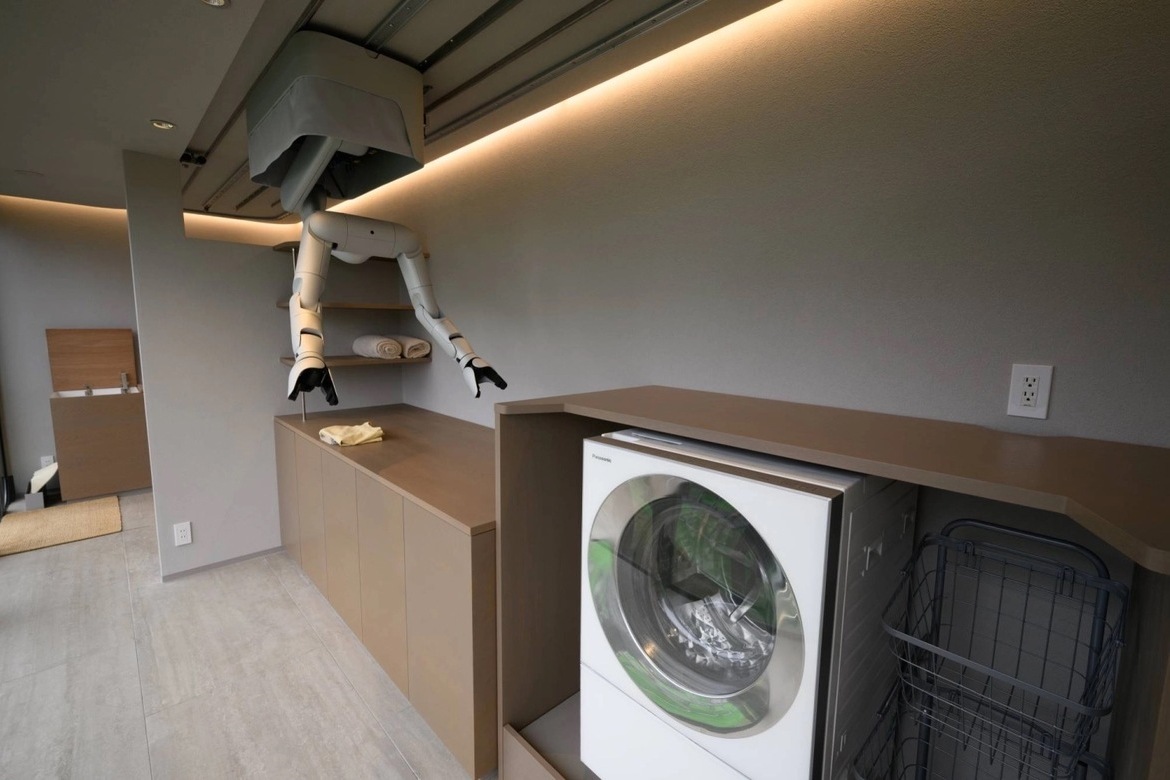
Robotics will also be used in facility management and environmental monitoring. In areas where human access may be hazardous or limited, specialized robots equipped with sensors will monitor factory conditions and detect potential safety risks.
These systems will operate alongside AI platforms that coordinate tasks across machines and infrastructure. The goal is to move beyond traditional automation toward autonomous factory environments where machines can adapt to changing production conditions.
Smart Manufacturing Becomes a Strategic Industry Trend
Samsung’s announcement highlights how advanced manufacturing is evolving from simple automation toward integrated AI ecosystems. Companies across industries are investing heavily in digital twins, robotics, and AI analytics to improve productivity and resilience in global supply chains.
Manufacturing environments generate large volumes of operational data, making them well suited for AI-driven optimization. By analyzing production data in real time, AI systems can identify inefficiencies, anticipate maintenance needs, and optimize resource allocation.
These capabilities are particularly important as manufacturers face rising labor costs, supply chain complexity, and increasing demand for product customization.
Samsung plans to present additional details about its industrial AI strategy at the Mobile World Congress in Barcelona, where the company will demonstrate how AI-driven manufacturing technologies can improve both efficiency and safety.
Autonomous Factories Move from Vision to Implementation
The concept of autonomous factories has been discussed for years, but advances in AI, robotics, and computing infrastructure are making large-scale implementation increasingly feasible.
Samsung’s roadmap suggests that the company intends to move beyond isolated automation projects toward fully integrated systems capable of managing complex manufacturing operations with minimal human intervention.
While human workers will remain essential for oversight and engineering roles, AI-driven factories are expected to handle many operational decisions automatically.
If successfully implemented, Samsung’s initiative could serve as a blueprint for next-generation manufacturing, demonstrating how artificial intelligence and robotics can transform industrial production systems over the coming decade.
Disclaimer: RobotsBeat is an independent media brand owned and operated by NuvexMedia LLC, publishing news, research, and insights on artificial intelligence, emerging technologies, automation, and related industries. NuvexMedia LLC invests in and collaborates with companies across the AI, Robotics, technology, software, and digital innovation sectors. These relationships do not influence RobotsBeat's editorial coverage, and the publication maintains full editorial independence to provide accurate, timely, and objective information. © 2026 NuvexMedia LLC. All rights reserved. This content is for informational purposes only and should not be considered legal, tax, investment, financial, or other professional advice.