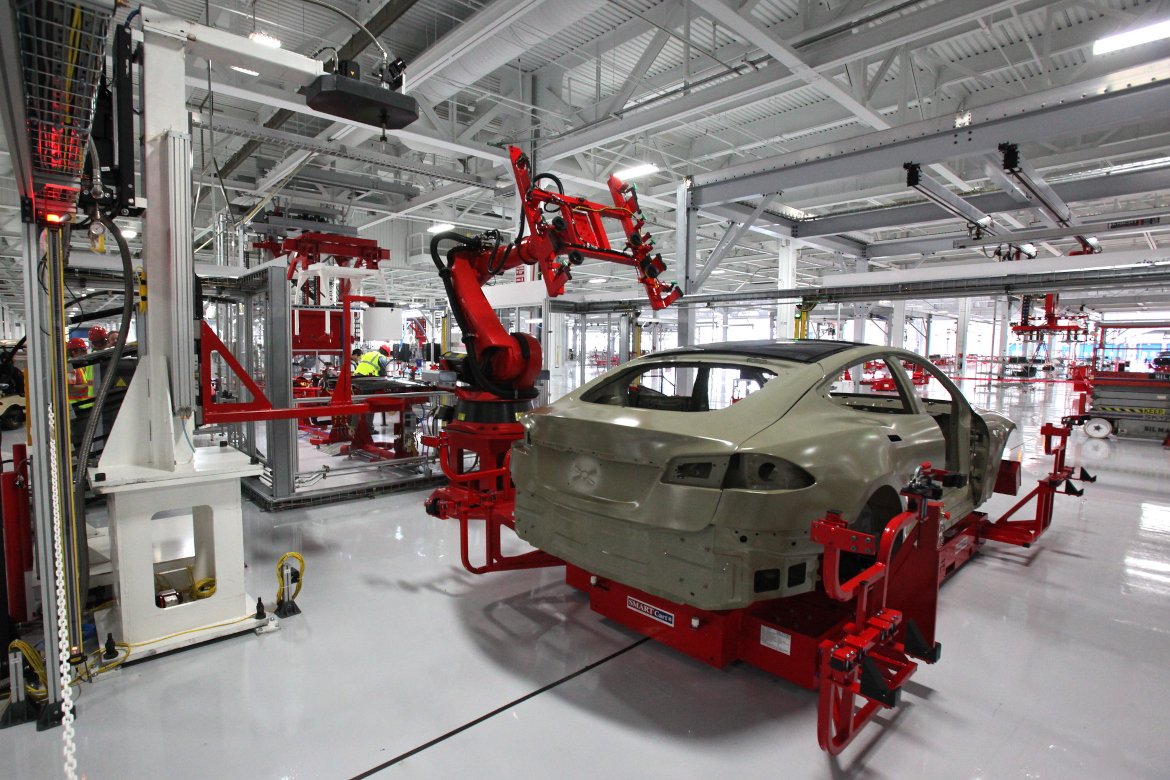

Tesla is signaling a major strategic realignment, with reports indicating the company is preparing to wind down production of its Model S and Model X vehicles while accelerating investment in autonomous driving and humanoid robotics. The move underscores Tesla’s growing emphasis on physical AI as a core pillar of its future business.
The Model S and Model X, once central to Tesla’s brand and early success, now represent a shrinking share of the company’s overall vehicle sales. As production volumes concentrate around the Model 3 and Model Y, Tesla appears increasingly willing to deprioritize its higher-end legacy models in favor of technologies with longer-term growth potential.
From Premium EVs to Physical AI
Tesla’s pivot aligns with repeated statements from Elon Musk, who has described humanoid robots as potentially more valuable than the company’s car business over time. Musk has argued that autonomous labor, enabled by general-purpose robots, could unlock economic value far beyond vehicle manufacturing.
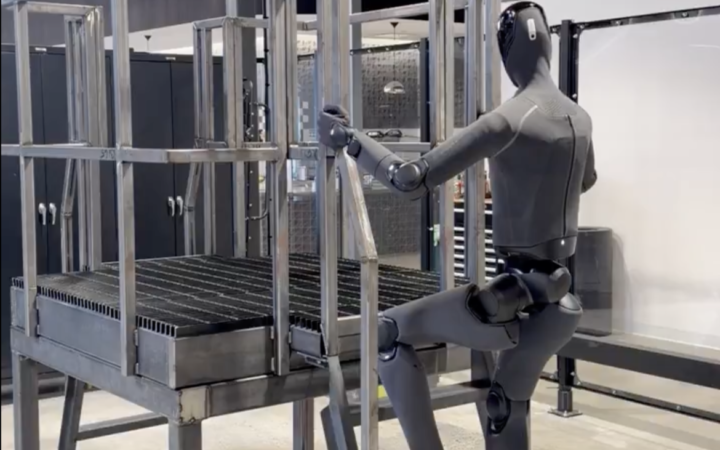
The company’s Optimus humanoid robot is designed to perform repetitive and physically demanding tasks in factories, warehouses, and eventually service environments. Tesla has already begun testing Optimus inside its own facilities, using controlled environments to train robots while extracting immediate operational value.
Musk has framed this approach as a natural extension of Tesla’s autonomy stack. The same AI systems used for full self-driving vehicles — including vision-based perception, neural networks, and custom AI chips — are being adapted for humanoid robotics.
Billions Directed Toward Autonomy and Robots
Tesla is expected to invest tens of billions of dollars over the coming years into autonomous vehicles and humanoid robotics. Reports suggest combined spending on self-driving technology, AI infrastructure, and robotics could reach as much as $20 billion, reflecting the scale of the company’s ambitions.
These investments include expanded data center capacity, custom silicon development, and large-scale AI training. For Tesla, the goal is to create systems that can reason, navigate, and act reliably in complex real-world environments – whether on roads or factory floors.
While timelines remain aggressive, Musk has said that Optimus could reach limited commercial deployment within the next few years, initially focused on internal use cases before broader rollout.
A Broader Industry Shift
Tesla’s evolving priorities mirror a wider trend across the technology and automotive sectors. As electric vehicles mature and competition intensifies, manufacturers are searching for new growth engines beyond car sales. Robotics and physical AI have emerged as leading candidates, promising scalable applications across manufacturing, logistics, healthcare, and consumer services.
Ending or scaling back Model S and X production would mark the end of an era for Tesla’s original premium lineup. But it would also reinforce Musk’s long-held view that Tesla is not ultimately a car company, but an AI and robotics company that happens to build vehicles.
Whether Optimus can deliver on that vision remains an open question. Still, Tesla’s willingness to shift resources away from iconic vehicles highlights how seriously the company is betting on a robot-driven future.
Disclaimer: RobotsBeat is an independent media brand owned and operated by NuvexMedia LLC, publishing news, research, and insights on artificial intelligence, emerging technologies, automation, and related industries. NuvexMedia LLC invests in and collaborates with companies across the AI, Robotics, technology, software, and digital innovation sectors. These relationships do not influence RobotsBeat's editorial coverage, and the publication maintains full editorial independence to provide accurate, timely, and objective information. © 2026 NuvexMedia LLC. All rights reserved. This content is for informational purposes only and should not be considered legal, tax, investment, financial, or other professional advice.