

Chinese robotics firm Unitree Robotics is preparing to launch its most affordable humanoid robot globally, a move that could test whether the category is beginning to transition from industrial experimentation to early consumer markets.
The company plans to debut its R1 humanoid robot through AliExpress, targeting customers in North America, Europe, Japan, and Singapore. With a starting price of around $4,000 in China, the R1 is among the lowest-cost humanoid robots introduced to date, positioning it closer to consumer electronics than traditional industrial machinery.
The rollout comes as Unitree accelerates production and expands internationally, following a year in which it shipped more than 5,500 humanoid robots – far exceeding most global competitors.
Lower Prices Meet Global Distribution
The R1 reflects a broader push to reduce the cost of humanoid robotics while expanding access through global distribution platforms. By launching on AliExpress, Unitree is bypassing traditional enterprise sales channels and testing direct-to-market demand.
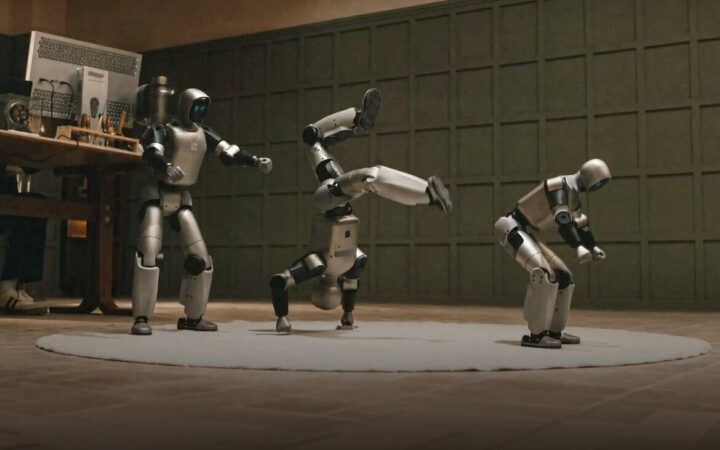
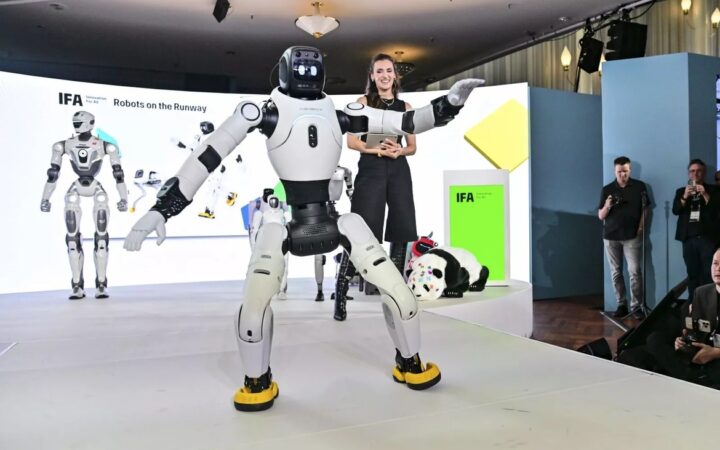
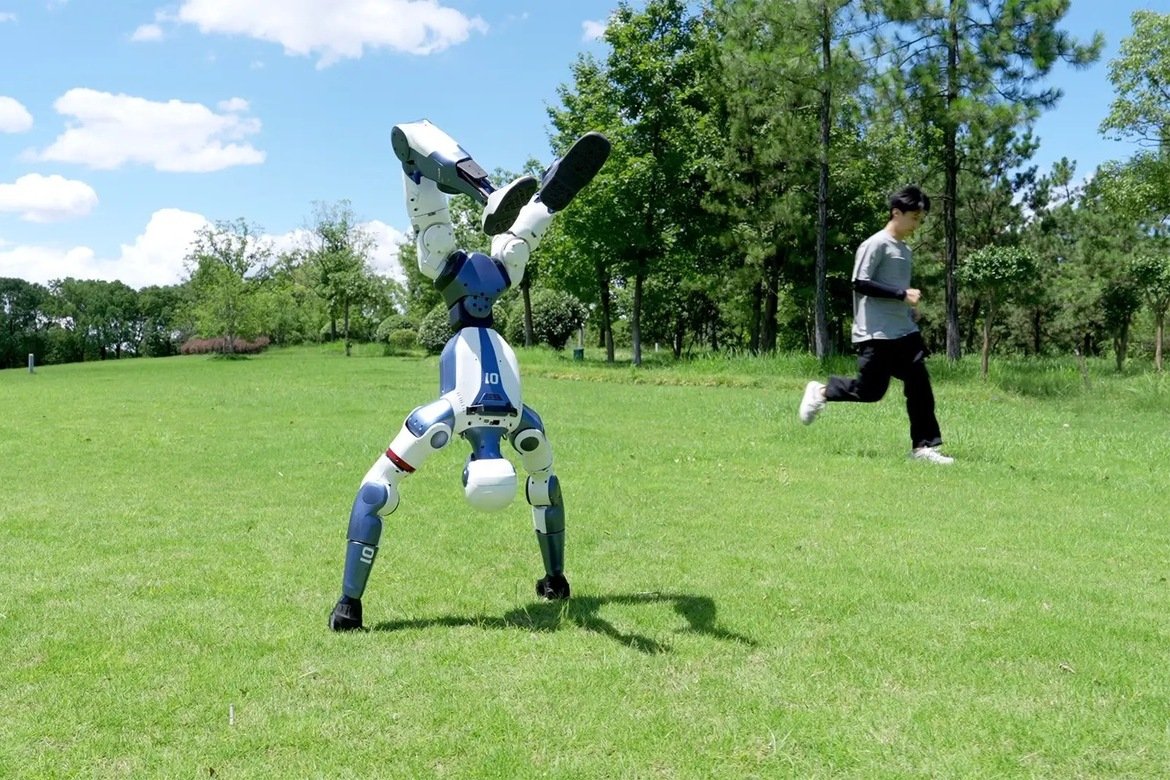
The robot stands just over 1.2 meters tall and is designed for dynamic movement, including running, recovering from falls, and performing coordinated motions. Marketed as “sport-ready”, it highlights Unitree’s focus on mobility and mechanical performance rather than immediate utility in structured work environments.
The pricing strategy marks a significant departure from earlier humanoid systems, which have typically been priced in the tens of thousands of dollars or higher. Even companies such as Tesla have suggested that future humanoid robots could cost around $20,000, placing Unitree’s offering well below that threshold.
The question is not only whether such pricing is sustainable, but whether it will translate into meaningful adoption beyond research labs and demonstration use cases.
Scaling Production Ahead of Demand
Unitree’s global expansion is closely tied to its manufacturing scale. The company has set a target of shipping between 10,000 and 20,000 robots in 2026, building on its current position as one of the highest-volume producers of humanoid systems.
According to industry estimates, competitors such as Figure AI and Agility Robotics have shipped only a few hundred units each, underscoring the gap between Chinese and U.S. production capacity.
Market research firm TrendForce expects Unitree to account for a substantial share of global humanoid output in the near term, reflecting both aggressive scaling and a focus on cost reduction.
At the same time, the company is preparing for a potential IPO in Shanghai, aiming to raise capital to expand manufacturing and research. The R1’s international debut may therefore serve a dual purpose: generating revenue while demonstrating global demand to investors.
From Demonstration to Early Adoption
The launch also highlights a shift in how humanoid robots are being positioned. Rather than targeting a single industrial application, the R1 appears designed as a general-purpose platform that can showcase capabilities and attract a broader user base.
Unitree has previously gained visibility through high-profile demonstrations, including coordinated performances by its robots on national television. The move into global e-commerce suggests a transition from spectacle to early commercialization, even if practical use cases remain limited.
For now, most humanoid robots are still used in research, education, and controlled environments. The introduction of a lower-cost model does not immediately resolve challenges around autonomy, reliability, or real-world utility.
However, it may begin to reshape expectations. If consumers and small businesses can access humanoid robots at a fraction of previous costs, the market could shift from a handful of experimental deployments to a larger base of exploratory use.
Unitree’s R1 launch represents one of the clearest attempts to test that transition. By combining lower pricing with global distribution, the company is effectively probing whether humanoid robotics can move beyond early adopters and into a broader commercial category.
The outcome will depend less on technical capability alone and more on whether users find meaningful ways to integrate these systems into everyday environments. For an industry still searching for its first large-scale application, that question remains open.
Disclaimer: RobotsBeat is an independent media brand owned and operated by NuvexMedia LLC, publishing news, research, and insights on artificial intelligence, emerging technologies, automation, and related industries. NuvexMedia LLC invests in and collaborates with companies across the AI, Robotics, technology, software, and digital innovation sectors. These relationships do not influence RobotsBeat's editorial coverage, and the publication maintains full editorial independence to provide accurate, timely, and objective information. © 2026 NuvexMedia LLC. All rights reserved. This content is for informational purposes only and should not be considered legal, tax, investment, financial, or other professional advice.