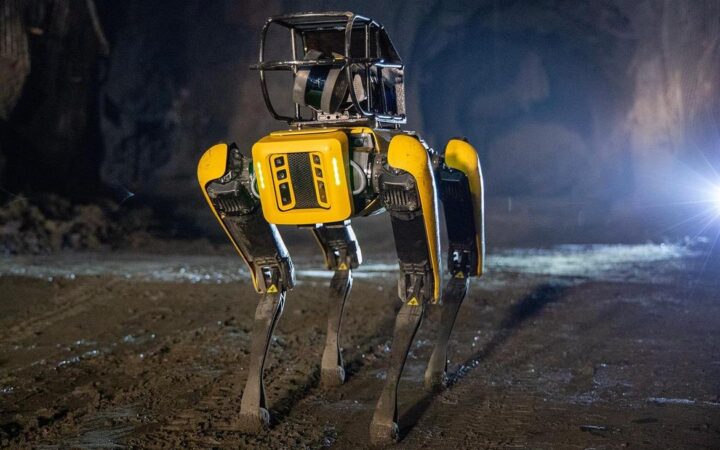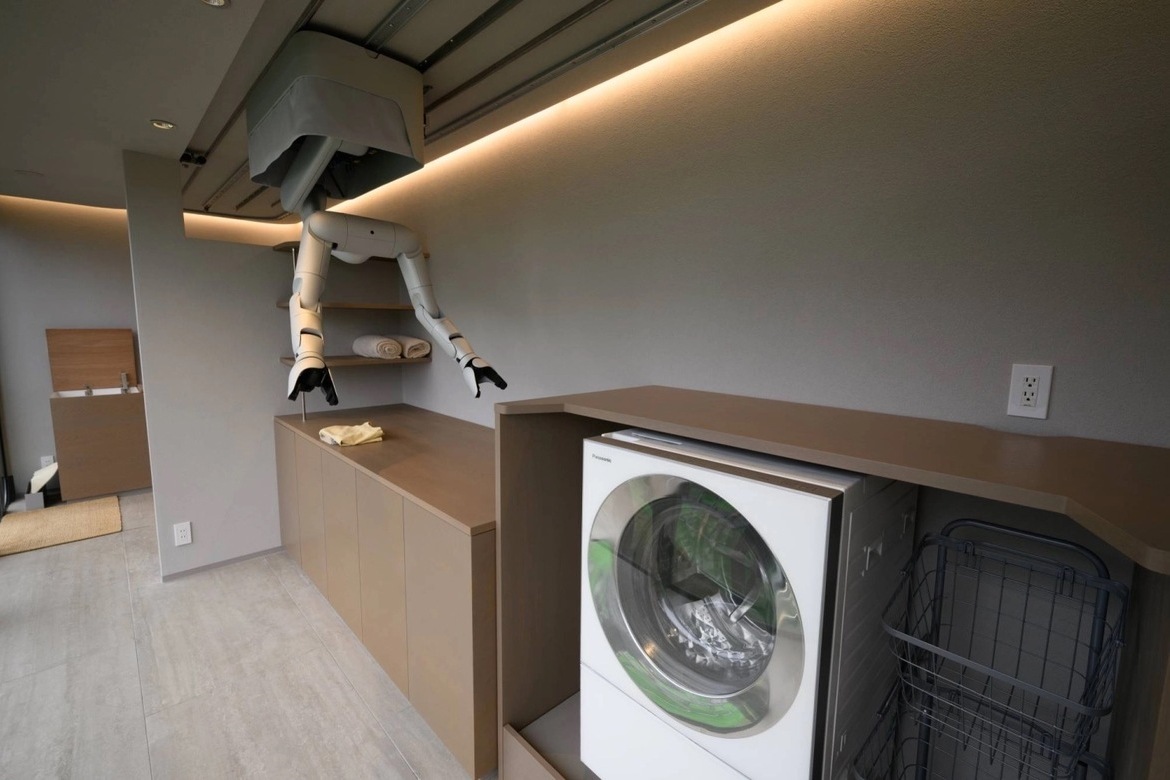


The Trump administration has moved to block new Chinese-made humanoid and quadruped robot models from entering the US market, placing advanced robotics inside a widening national security and industrial policy campaign.
The Federal Communications Commission added foreign-produced “advanced robotic devices” to its Covered List on July 28. The category covers mobile machines such as humanoid and quadruped robots. Equipment on the list cannot receive new FCC authorization, which most connected electronic products need before they can be imported, marketed, or sold in the United States.
The measure formally applies to advanced robots produced in any foreign country rather than China alone. However, Chinese manufacturers are expected to absorb most of the immediate impact because they hold a large share of the emerging market. Global humanoid and quadruped robot shipments are already projected to reach 810,000 units by 2030, with Chinese vendors holding an early advantage in hardware scale and pricing.
New Robot Models Face an FCC Authorization Barrier
The restrictions apply to new mobile robot models with networked sensors and autonomous movement capabilities. Previously authorized products can continue to be imported and sold, while consumers and companies may keep using robots they already own. The FCC also said the action does not affect purchases or use by federal agencies.
The policy is therefore not a complete ban on every Chinese robot currently operating in the United States. It creates a barrier for future models and hardware revisions that require fresh equipment authorization. The Verge reported that the rules also cover foreign-made connected power inverters, expanding the administration’s supply-chain controls beyond robotics.
Manufacturers can seek Conditional Approval from the Department of War by demonstrating that a device or product class does not present the risks identified by the US government. Products receiving that approval would remain eligible for FCC authorization.
The FCC said networked robots could expose critical infrastructure and commercial facilities to surveillance, data theft, supply-chain disruption, or remote interference. Its national security determination warned that malicious actors could manipulate a robot’s data or physical operation and potentially commandeer connected machines remotely.
Chinese Robotics Companies Face the Greatest Exposure
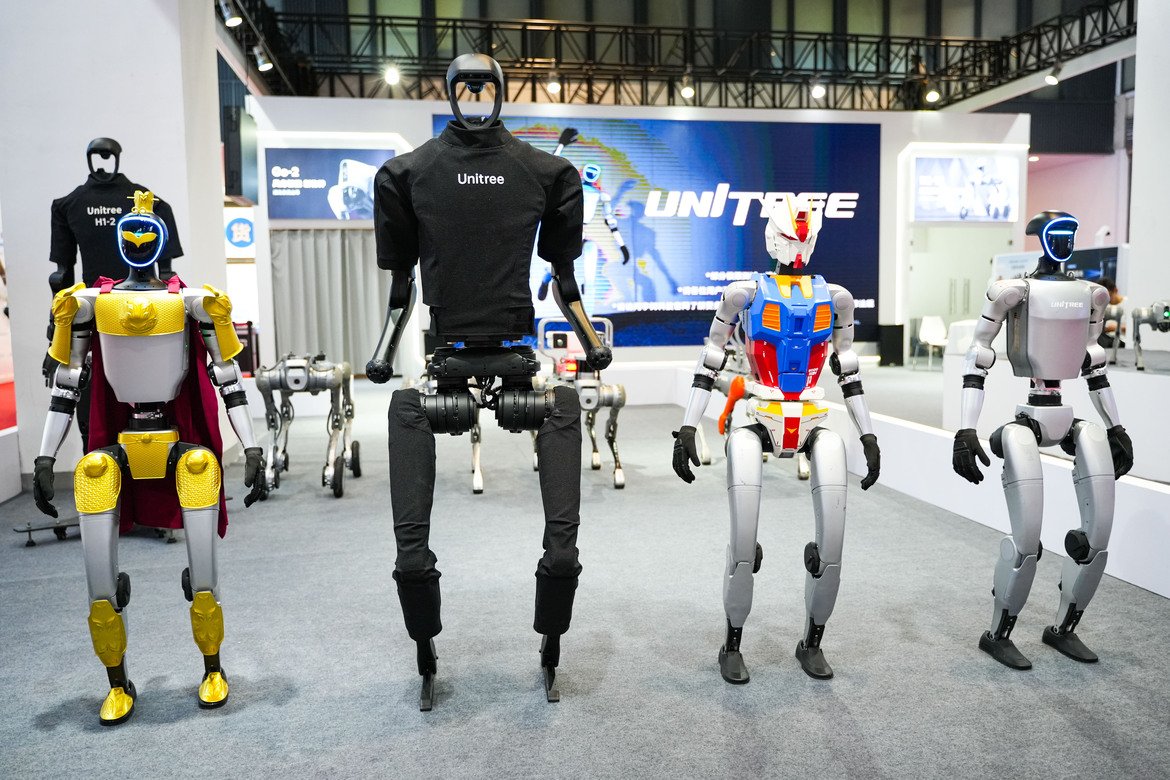
The decision is likely to weigh heavily on Chinese companies that have used lower hardware costs and rapid product cycles to build international demand. Unitree Robotics is expected to be among the most exposed manufacturers because it sells both humanoid and quadruped platforms to universities, laboratories, developers, and technology companies.
Reuters reported that Unitree holds just under one-fifth of the global humanoid robot market and was recently added to a Pentagon list of companies allegedly connected to China’s military. The company has also worked with Nvidia on AI computing for its robots.
The restrictions arrive as Unitree is trying to expand production and global distribution. The company has set a target of shipping up to 20,000 humanoid robots in 2026 and has brought its lower-cost R1 humanoid to global buyers. Existing models with FCC authorization may remain available, but newly released machines would generally require an exemption before entering the US market.
The broader pressure extends beyond one company. China has built a dense robotics ecosystem supported by component suppliers, manufacturing capacity, data infrastructure, and government-backed deployment programs. RobotsBeat previously examined how data and industrial scale have narrowed China’s robotics gap with the United States, while Beijing has also introduced a national digital identification system covering 28,000 humanoids across 200 models.
The Rules Also Support US Robotics Manufacturing
The administration has presented the policy as both a cybersecurity measure and an attempt to rebuild strategic production inside the United States. Officials want to avoid dependence on Chinese robotics similar to US reliance on China for rare-earth minerals, batteries, drones, and other critical technologies.
Companies seeking exemptions are expected to provide plans for moving design or manufacturing activity to the United States. That requirement could give domestic humanoid developers more room to compete while encouraging foreign suppliers to establish US production operations.
The policy may benefit American robotics companies, but it could also reduce access to relatively affordable research platforms at a time when universities and businesses are still testing potential applications. China currently offers a broad range of commercially available machines, while many US humanoid programs remain in limited production or controlled pilot deployments.
The wider significance is that humanoid robots are no longer being treated solely as experimental machines. Washington is beginning to regulate them as strategic, networked infrastructure whose software, sensors, data collection, and physical capabilities could create both economic value and national security risk.
Disclaimer: RobotsBeat is an independent media brand owned and operated by NuvexMedia LLC, publishing news, research, and insights on artificial intelligence, emerging technologies, automation, and related industries. NuvexMedia LLC invests in and collaborates with companies across the AI, Robotics, technology, software, and digital innovation sectors. These relationships do not influence RobotsBeat's editorial coverage, and the publication maintains full editorial independence to provide accurate, timely, and objective information. © 2026 NuvexMedia LLC. All rights reserved. This content is for informational purposes only and should not be considered legal, tax, investment, financial, or other professional advice.