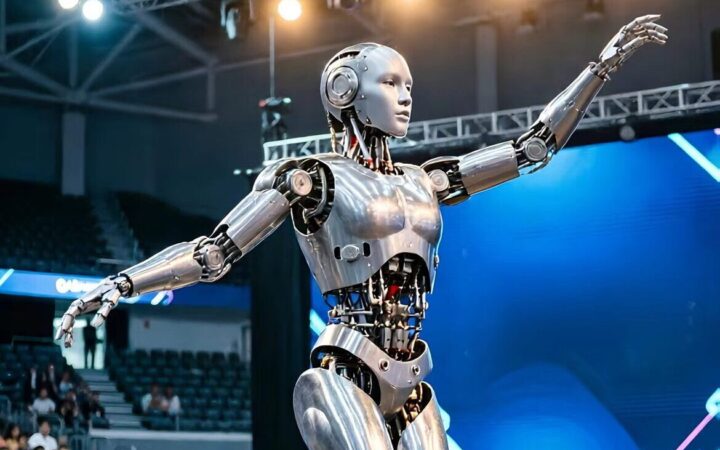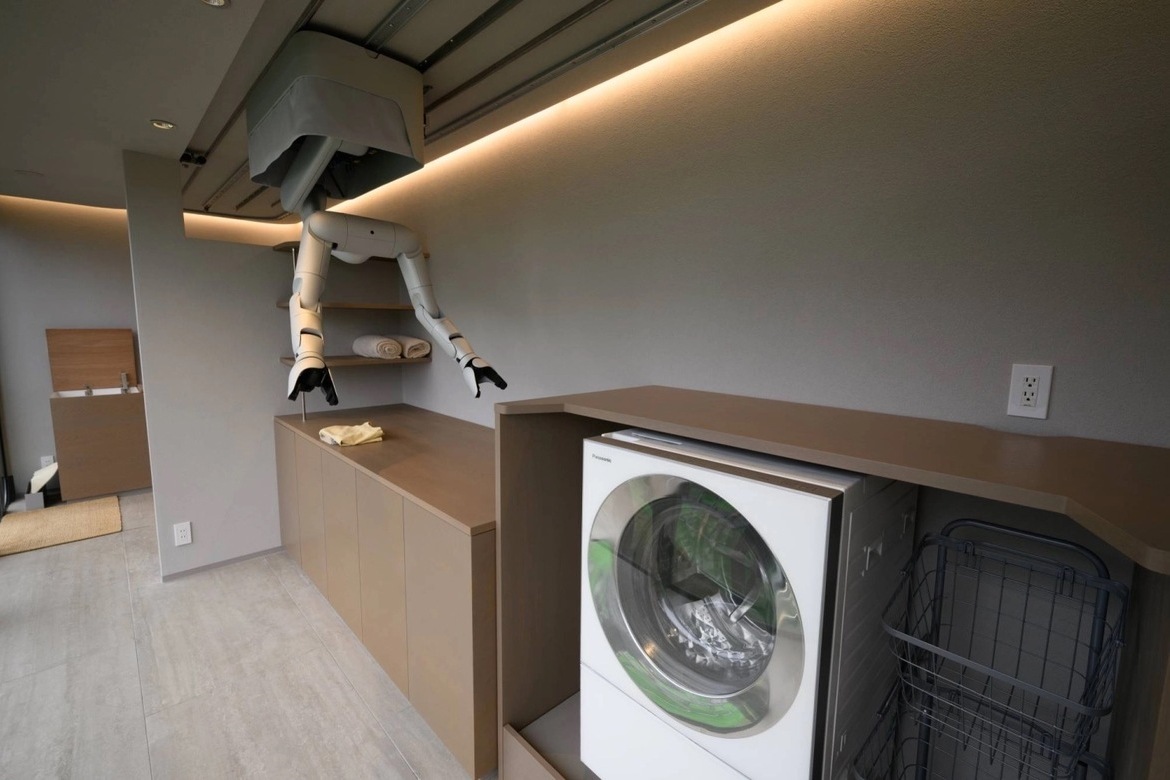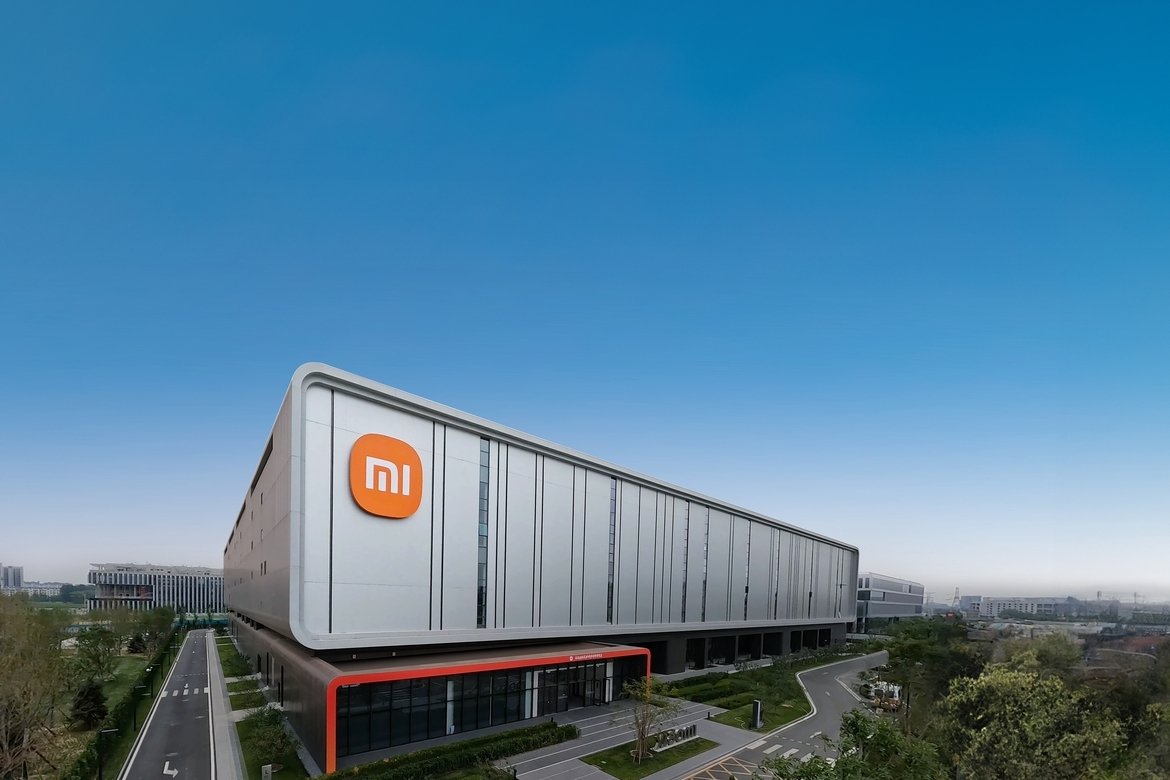


Xiaomi has begun deploying a humanoid robot inside its electric vehicle factory, where the system has successfully performed complex assembly work on a live production line. The move represents a significant step for the Chinese technology company as it expands its efforts in embodied artificial intelligence and industrial robotics.
According to the company, the robot operated autonomously for three consecutive hours at a workstation responsible for installing self-tapping nuts used in vehicle floor components. The robot achieved a 90.2% task success rate while meeting the production line’s 76-second cycle time requirement.
The pilot deployment highlights how humanoid robots are beginning to move from research environments into real manufacturing settings.
AI-Driven Control Enables Complex Assembly
The assembly task performed by the robot involves precise alignment and fastening operations that require coordination between vision, gripping, and motion control systems. The robot retrieves self-tapping nuts from an automated feeder, positions them on fixtures, and coordinates with conveyor and tightening systems to complete the installation process.
Xiaomi said one of the main technical challenges is achieving reliable engagement between the robot’s gripper and the spline structure inside the nuts. The components can shift orientation, and magnetic interference adds further complexity to the task.
To address these challenges, the company uses a data-driven control system built around its proprietary Vision-Language-Action model, known as Xiaomi-Robotics-0. The 4.7-billion-parameter model combines visual perception, language-based reasoning, and physical control.
Reinforcement learning is used alongside the model to allow the robot to adapt to changing conditions and learn from interactions in the physical environment.
Simulation and Multimodal Sensors Improve Reliability
Xiaomi trained the robot’s control system using large-scale simulations before deploying it on the factory floor. Reinforcement learning models were exposed to hundreds of millions of simulated disturbances, allowing the robot to develop stability and recovery strategies.
The system also integrates multiple forms of sensory data, including computer vision, tactile feedback, and joint position sensing. Combining these inputs helps the robot interpret complex situations more reliably and reduces errors during assembly.
For full-body motion control, Xiaomi uses a hybrid architecture that combines optimization-based control algorithms with reinforcement learning policies. The optimization layer calculates motion solutions in under one millisecond, enabling real-time responses during production tasks.
The approach allows the robot to maintain balance and accuracy even when external disturbances occur on the production line.
Humanoid Robots Move into Automotive Manufacturing
Xiaomi’s factory deployment reflects a growing trend among automotive and technology companies experimenting with humanoid robots for industrial applications.
Automakers have a natural advantage in robotics development because many of the underlying technologies – electric motors, battery systems, sensors, and AI computing platforms – are shared with electric vehicles.
The company said the self-tapping nut station is only the first step in expanding humanoid robot deployment across its factories. Additional workstations currently under evaluation include bin-picking operations and front badge installation.
These tasks represent common challenges in manufacturing where objects vary in orientation and require dexterous manipulation.
Intensifying Competition in Industrial Humanoids
Xiaomi’s progress comes amid intensifying global competition in humanoid robotics. Companies including Tesla and Chinese EV maker Xpeng are pursuing similar strategies, aiming to deploy robots in manufacturing environments before expanding into other industries.
Tesla has indicated that its Optimus humanoid robot could begin performing more complex tasks in factories within the next few years, while Xpeng is building a dedicated humanoid robot manufacturing base.
For Xiaomi, the factory trial serves both as a technological demonstration and a step toward scaling industrial robotics internally. Founder and CEO Lei Jun has predicted that large numbers of humanoid robots could be working across the company’s factories within five years.
While widespread deployment remains a long-term goal, the experiment suggests that humanoid robots are beginning to cross an important threshold – moving from laboratory prototypes into real production environments.
Disclaimer: RobotsBeat is an independent media brand owned and operated by NuvexMedia LLC, publishing news, research, and insights on artificial intelligence, emerging technologies, automation, and related industries. NuvexMedia LLC invests in and collaborates with companies across the AI, Robotics, technology, software, and digital innovation sectors. These relationships do not influence RobotsBeat's editorial coverage, and the publication maintains full editorial independence to provide accurate, timely, and objective information. © 2026 NuvexMedia LLC. All rights reserved. This content is for informational purposes only and should not be considered legal, tax, investment, financial, or other professional advice.