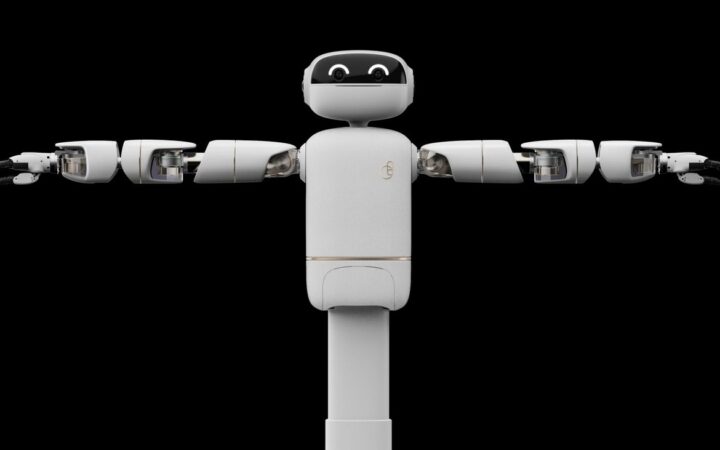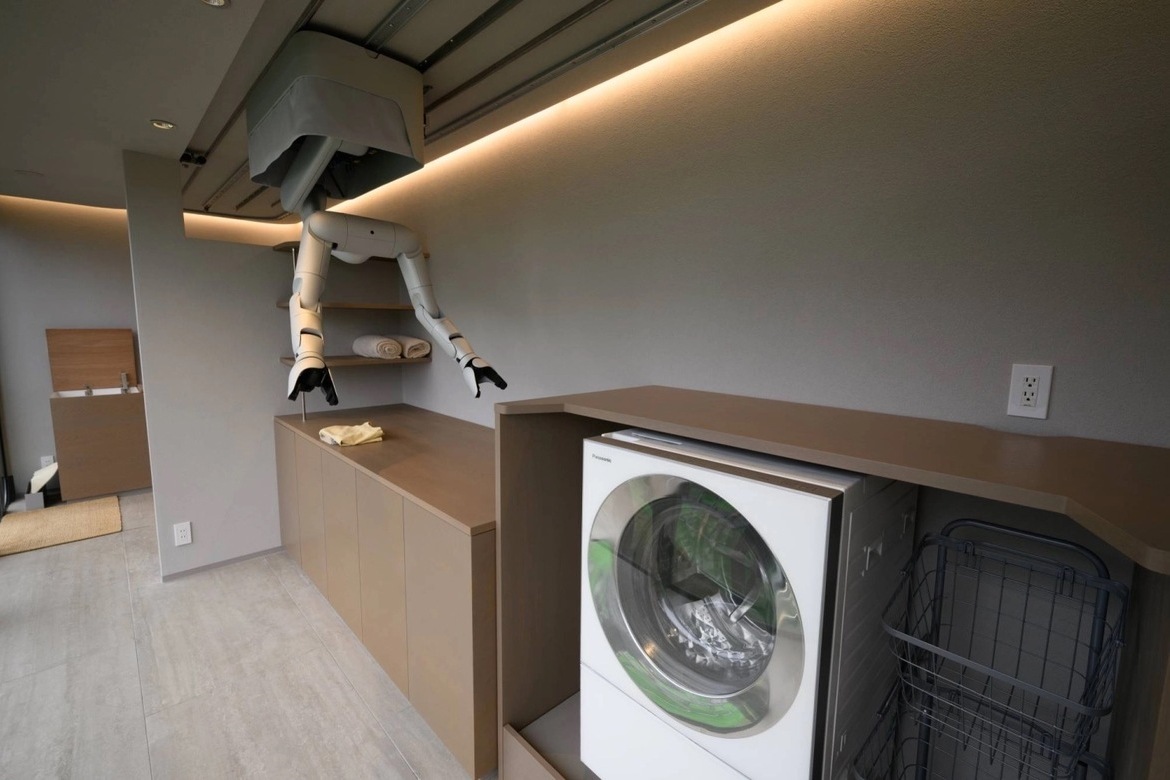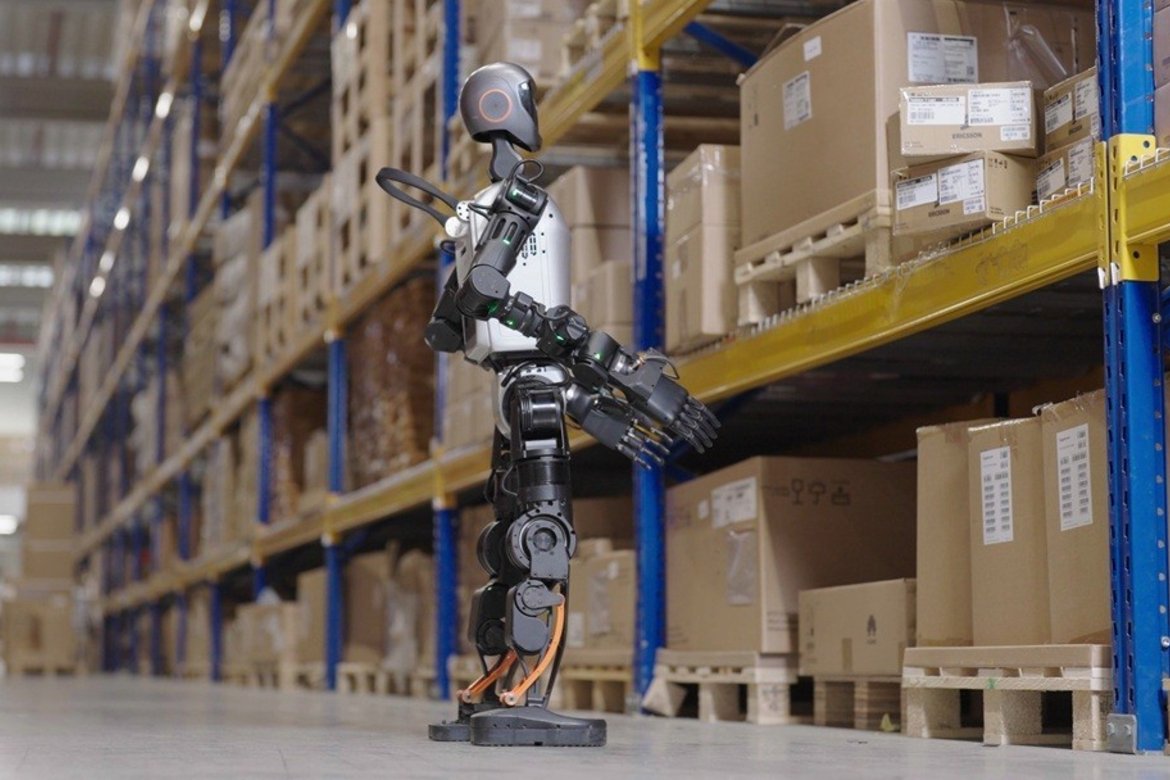


Accenture, SAP, and Vodafone Procure & Connect have completed a humanoid robotics pilot at Vodafone Procure & Connect’s warehouse in Duisburg, Germany, deploying humanoid robots to conduct autonomous visual inspections and report findings directly into SAP’s Extended Warehouse Management system. The three companies presented the pilot at Hannover Messe 2026 this week.
The deployment tested a specific operational use case: a robot receiving inspection tasks through an enterprise warehouse management system, executing those tasks autonomously across a live facility, and feeding structured findings back into the same system in real time – without human intermediaries in the reporting chain.
What the Robot Did
During the pilot, the humanoid robot identified misplaced and damaged products, assessed pallet stacking and weight distribution, flagged unused storage space, and detected potential safety hazards including obstacles in aisles and misaligned pallets. Findings and recommendations were reported directly into SAP, enabling real-time operational visibility and documented audit trails for compliance purposes.
The robot’s integration into the warehouse was managed across two distinct layers. SAP led the connection between robot task execution and the warehouse management system, using Joule – SAP’s AI execution interface for embodied AI – to ground robot actions in live business data and automate health and safety incident reporting and inventory validation. Accenture designed and deployed the robot intelligence framework, training the systems in digital twin environments built on its Physical AI Orchestrator, which uses NVIDIA Omniverse, the Mega NVIDIA Omniverse Blueprint, and NVIDIA Metropolis libraries.
The robots are powered by Accenture’s Robot Brain solution, enabling natural interaction with human operators through voice, gestures, and text. Skills were developed through a combination of imitation learning and reinforcement learning within the digital twin environment before physical deployment.
Why the Integration Layer Matters
The pilot’s technical architecture reflects a broader shift in how humanoid robot deployments are being designed. Connecting a robot to an enterprise system of record – rather than operating it as a standalone autonomous unit – means robot actions are grounded in live business logic, findings are automatically structured and stored, and the robot can be assigned tasks dynamically as warehouse conditions change.
“By grounding actions in trusted SAP data, we can automate health and safety incident reporting and real-time inventory validation to protect workers and strengthen compliance through consistent auditable workflows,” said Dr. Lukasz Ostrowski, head of Embodied AI and Robotics at SAP.
For Vodafone Procure & Connect, the pilot also has a commercial dimension beyond internal efficiency. The data gathered on robot deployment and performance is being evaluated as the basis for a future humanoid workforce solutions business. “It also gives us a clearer view of how these capabilities could scale across our supply chain and support future business models,” said Reinhard Stefan Plaza Bartsch, global Network Logistics director at Vodafone Procure & Connect.
Scaling from Pilot to Production
The Duisburg pilot fits into a pattern of enterprise deployments that Accenture has been building across logistics and manufacturing. The company’s earlier investment in General Robotics and its Physical AI Orchestrator infrastructure position it as an integrator across the full deployment stack – from simulation and training through to live system integration and ongoing operations. Whether the Vodafone pilot advances to permanent deployment and at what scale has not been disclosed.
Disclaimer: RobotsBeat is an independent media brand owned and operated by NuvexMedia LLC, publishing news, research, and insights on artificial intelligence, emerging technologies, automation, and related industries. NuvexMedia LLC invests in and collaborates with companies across the AI, Robotics, technology, software, and digital innovation sectors. These relationships do not influence RobotsBeat's editorial coverage, and the publication maintains full editorial independence to provide accurate, timely, and objective information. © 2026 NuvexMedia LLC. All rights reserved. This content is for informational purposes only and should not be considered legal, tax, investment, financial, or other professional advice.