
Agility Robotics has agreed to merge with Churchill Capital Corp XI, a blank-check company backed by Wall Street dealmaker Michael Klein, in a transaction that values the Oregon-based humanoid robotics company at $2.5 billion. The deal is expected to provide more than $620 million in proceeds to Agility, including approximately $200 million from existing and new institutional investors. Agility will list on a North American exchange under the ticker symbol AGLT. Shares of Churchill Capital Corp XI jumped 18% in premarket trading following the announcement.
The transaction makes Agility Robotics the first major humanoid robot company to pursue a U.S. public market listing, establishing a reference valuation for a sector that has attracted substantial private capital but has not yet produced a liquid domestic benchmark.
What the Capital Will Fund
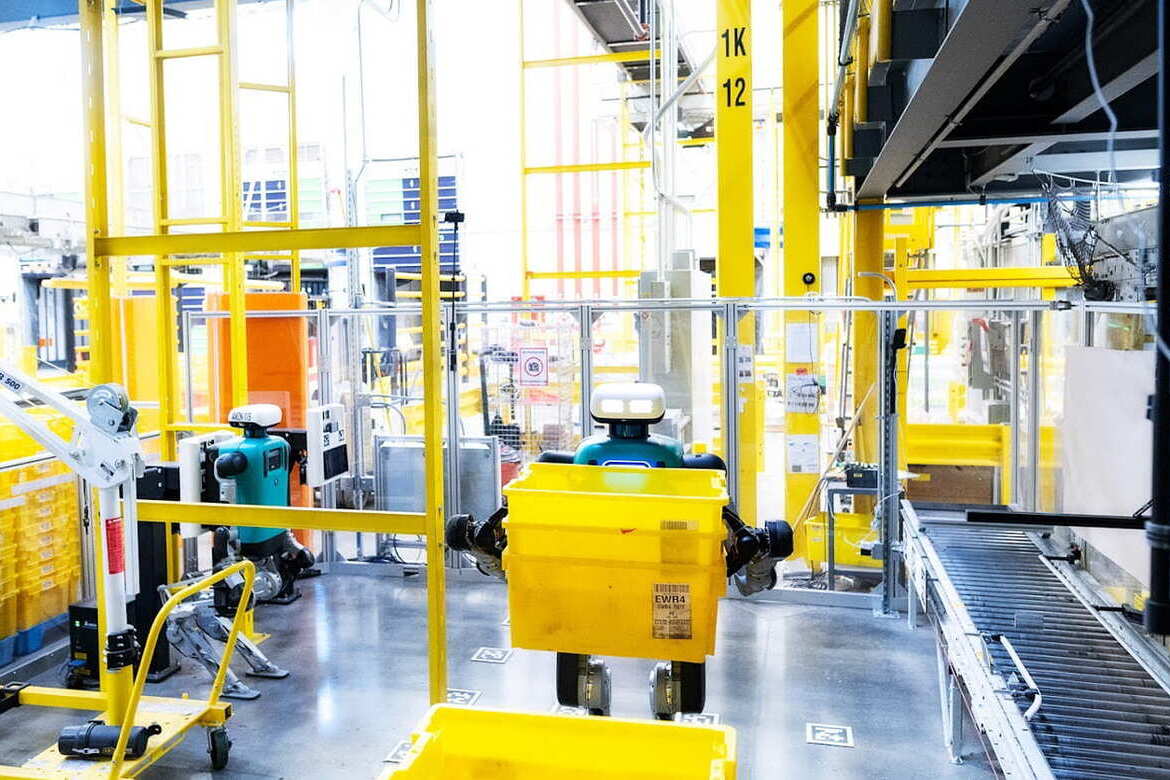
Agility plans to use the proceeds to fulfill existing orders, expand commercial deployments, and scale production of Digit, its flagship humanoid robot deployed in manufacturing, distribution, and logistics environments. The company has already secured more than $300 million in orders for a new version of Digit currently in development, which will offer finer dexterity for handling smaller objects and incorporate higher safety standards – including the NVIDIA Halos for Robotics integration announced this week.
Current Digit customers include Amazon, GXO, Schaeffler, and Toyota Motor Manufacturing Canada. The commercial order backlog provides a near-term revenue foundation for the public company that most SPAC mergers in the technology sector have lacked, reducing the speculative component of the listing relative to earlier-stage robotics public offerings.
The Market Opportunity and Competitive Context
“Humanoids are at a meaningful inflection point in commercial adoption, and we are focused on meeting growing customer demand, expanding deployments, and advancing our roadmap,” said Peggy Johnson, CEO of Agility Robotics. The company estimates its addressable market opportunity at approximately $1 trillion.
The SPAC merger comes as the broader humanoid robotics sector accelerates toward commercial scale simultaneously across multiple fronts. Unitree Robotics cleared its Shanghai STAR Market listing committee review in June, heading toward China’s first domestic humanoid robot IPO. Boston Dynamics is ramping Atlas production for Hyundai’s stated 25,000-unit deployment plan. Figure AI is deploying in Catalyst Brands’ logistics operations. Tesla is converting its Fremont line toward Optimus production targeting a July-August reveal.
Agility’s public market path through a SPAC rather than a traditional IPO reflects both the speed of the commercial opportunity and the company’s need for capital ahead of when a conventional IPO process would deliver it. The $2.5 billion valuation sits below the private market figures attached to Figure AI and some Chinese competitors, but represents a first liquid price discovery event for a sector where valuation has been largely theoretical.
The transaction is subject to standard closing conditions including shareholder approval and regulatory review.
Disclaimer: RobotsBeat is an independent media brand owned and operated by NuvexMedia LLC, publishing news, research, and insights on artificial intelligence, emerging technologies, automation, and related industries. NuvexMedia LLC invests in and collaborates with companies across the AI, Robotics, technology, software, and digital innovation sectors. These relationships do not influence RobotsBeat's editorial coverage, and the publication maintains full editorial independence to provide accurate, timely, and objective information. © 2026 NuvexMedia LLC. All rights reserved. This content is for informational purposes only and should not be considered legal, tax, investment, financial, or other professional advice.