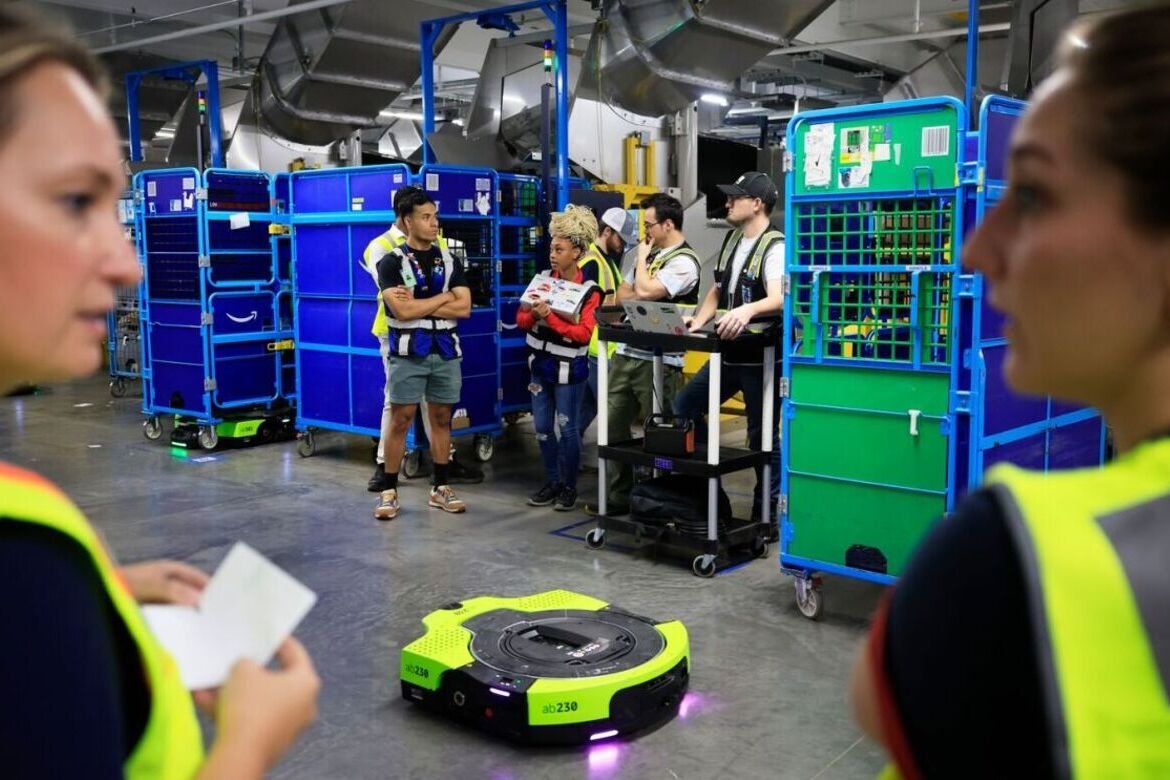

Amazon has unveiled a next-generation version of its Proteus autonomous warehouse robot at its Delivering the Future event in London, alongside a more than €10 billion commitment to expand and modernize fulfillment centers across Europe with new robotics systems. The announcements also included a $1 billion global investment in employee upskilling and plans to grow Amazon’s European fulfillment workforce by 25,000 over the coming years.
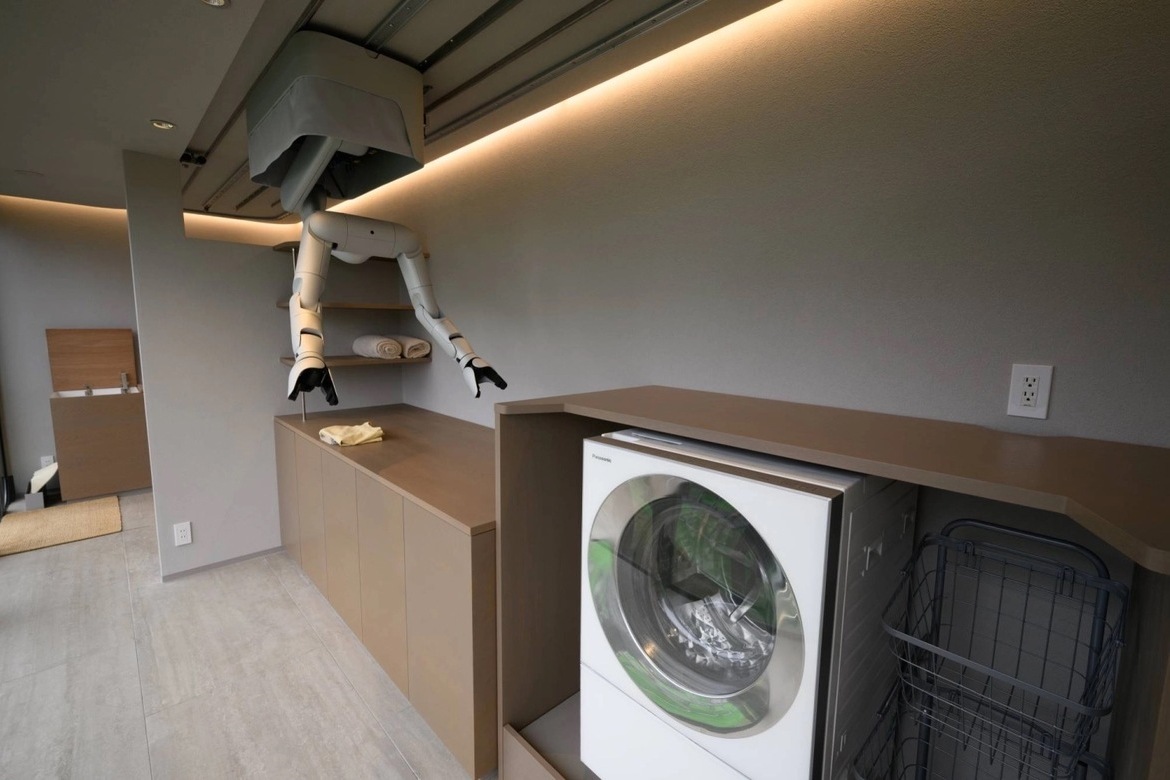
The Proteus upgrade and European robotics investment represent Amazon’s most significant fulfillment infrastructure announcement since the company began its large-scale robotics buildout, and arrive as the company accelerates parallel investments in humanoid systems through its partnership with NEURA Robotics and its acquisition of Fauna Robotics earlier this year.
Next-Generation Proteus
The original Proteus robot was limited to dock areas within fulfillment centers. The new version can operate anywhere items need to be moved across a site, significantly expanding its deployable footprint within existing warehouse infrastructure.
The most operationally significant change is in how employees direct the robot. The new Proteus accepts plain conversational text prompts – an employee describes what needs to be done, and the robot determines priority, route, and timing autonomously. This removes the requirement for technical commands or programming interfaces, lowering the operational skill threshold for directing the system and enabling more flexible task assignment across shifts.
Proteus is currently being piloted in Amazon’s labs. Deployment in Europe is planned for the first half of 2027.
European Robotics Expansion
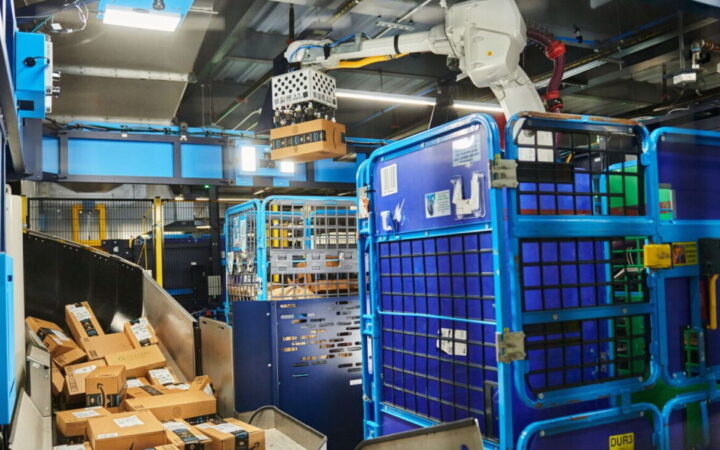
Alongside Proteus, Amazon is expanding two additional robotic systems across Europe. Vulcan – Amazon’s first robot with a sense of touch, used for picking and stowing – is being scaled across European sites. STARK, a robotic system that works alongside employees to pick full totes from conveyors and place them on carts, will expand from its initial Barcelona pilot to 15 sites across Europe by 2027.
The €10 billion commitment covers expansion and modernization of fulfillment centers across the region, building on a year in which Amazon invested more than €60 billion across Europe – the largest annual figure in the company’s European history. Amazon currently supports more than 1.5 million jobs across the region.
The Workforce and Upskilling Context
The robotics announcements were explicitly paired with workforce investment. Amazon is committing $1 billion to its Career Choice upskilling program by 2030, as part of a broader $2.5 billion Future Ready 2030 initiative. The program covers fully funded training in cybersecurity, software development, logistics, renewable energy, and mechatronics. More than 300,000 employees have participated globally, including 30,000 in the UK.
The framing – robotics taking on physically demanding tasks while employees move to higher-skilled roles – reflects a deliberate communication strategy as Amazon scales automation in a labor market and regulatory environment sensitive to displacement concerns.
Delivery Infrastructure
The event also covered Amazon Now ultra-fast delivery expansion, sub same-day delivery sites across more than 25 European locations, and the milestone of 50,000 electric delivery vans operating globally – halfway toward Amazon’s 100,000-van target by 2030. Amazon and its European delivery partners have completed more than 100 million deliveries using electric cargo bikes, mopeds, and on-foot methods, avoiding more than 17,000 metric tons of carbon emissions.
Disclaimer: RobotsBeat is an independent media brand owned and operated by NuvexMedia LLC, publishing news, research, and insights on artificial intelligence, emerging technologies, automation, and related industries. NuvexMedia LLC invests in and collaborates with companies across the AI, Robotics, technology, software, and digital innovation sectors. These relationships do not influence RobotsBeat's editorial coverage, and the publication maintains full editorial independence to provide accurate, timely, and objective information. © 2026 NuvexMedia LLC. All rights reserved. This content is for informational purposes only and should not be considered legal, tax, investment, financial, or other professional advice.