
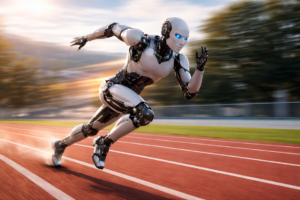
Humanoid Robots May Soon Challenge Human Sprint Records
Advances in humanoid robotics are pushing machines closer to elite human sprinting speeds. Researchers say new systems may soon approach or surpass the pace of the fastest human runners.
Advances in humanoid robotics are pushing machines closer to elite human sprinting speeds. Researchers say new systems may soon approach or surpass the pace of the fastest human runners.

A McDonald’s restaurant in Shanghai is testing humanoid robots for customer-facing roles, offering a glimpse into how service robotics could gradually enter everyday retail environments.
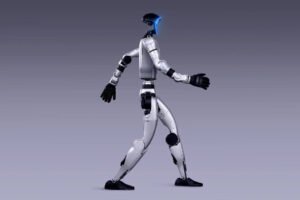
U.S. lawmakers are examining potential security risks posed by Chinese AI and robotics systems entering global markets. A congressional hearing highlighted concerns over infrastructure exposure and technology supply chains.
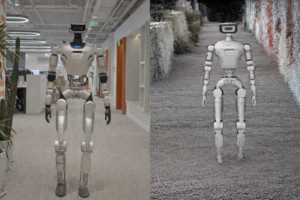
RealSense and LimX Dynamics demonstrated autonomous humanoid navigation at NVIDIA GTC, highlighting how dense 3D perception systems could enable safer operation of legged robots in human environments.

Gecko Robotics has secured its largest U.S. Navy contract to deploy inspection robots that build digital twins of naval vessels. The systems aim to reduce costly maintenance delays and improve fleet readiness.
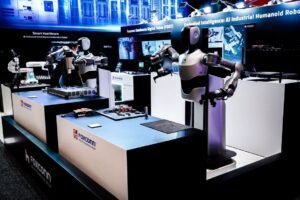
Foxconn is expanding its robotics strategy as demand for AI infrastructure surges. The company is working with partners including Skild AI, ABB, and NVIDIA to deploy intelligent robots in electronics assembly.

RoboForce has raised $52 million in a round led by YZi Labs to expand deployment of its TITAN physical AI robots. The company is targeting labor shortages across sectors including solar energy, logistics, mining, and data center construction.

NVIDIA is expanding its robotics platform with new world models, simulation frameworks, and partnerships with leading robot manufacturers. The move aims to accelerate the deployment of AI-powered robots across manufacturing, logistics, healthcare, and humanoid robotics.
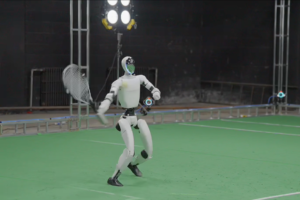
Researchers from Tsinghua University and Galbot have developed a humanoid robot that learned to play tennis using imperfect human motion data. Within days of deployment, the robot improved enough to outperform its human creator.
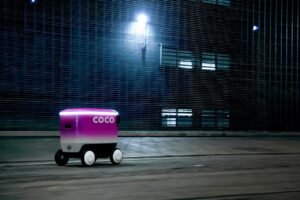
Location data collected from millions of Pokémon Go players is now being used to train delivery robots, highlighting the unexpected role of consumer AR games in robotics development.
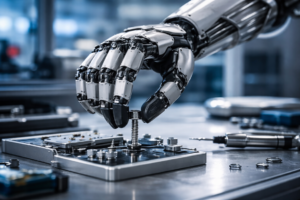
Samsung has launched a dedicated robotics research group focused on developing advanced robotic hands, betting that dexterity will be the key to unlocking practical humanoid robots.

A humanoid robot used for promotional activities in Macau was escorted away by police after startling a pedestrian, highlighting new challenges as robots increasingly appear in public spaces.
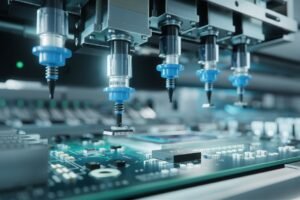
STMicroelectronics plans to deploy humanoid robots and retrain workers in older semiconductor plants as the European chipmaker looks to boost efficiency and avoid factory closures.

Mind Robotics, a startup spun out of electric vehicle maker Rivian, has raised $500 million to develop AI-powered industrial robots designed for more adaptable factory automation.

Zoox is expanding testing of its autonomous driving system to Phoenix and Dallas while preparing to deploy its purpose-built robotaxi and integrate its service with the Uber platform.