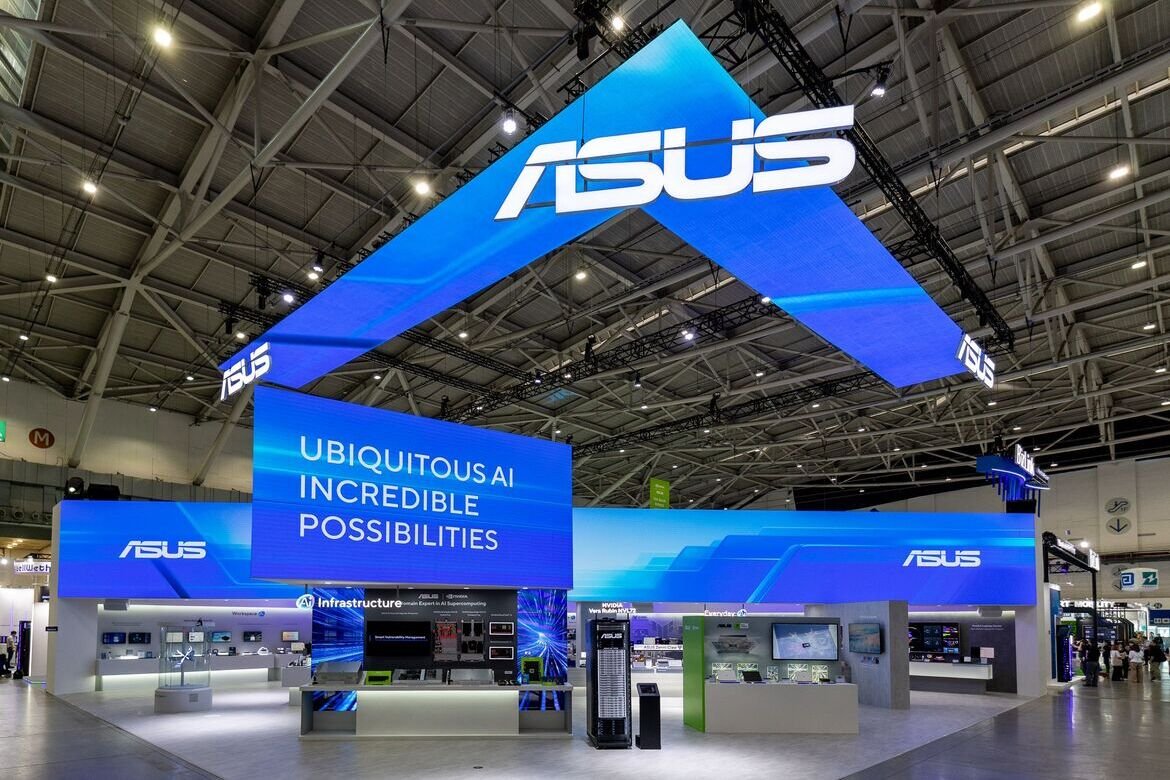


ASUS unveiled two AI-powered service robots at Computex 2026 in Taipei on Monday, alongside a unified AI orchestration platform called Maestro designed to coordinate robots, IoT devices, and digital systems across care and service environments. The announcements represent ASUS’s most direct entry into physical AI, extending a hardware portfolio that has historically focused on consumer electronics and servers into autonomous mobile robotics.
The two robot platforms – ASUS Kairo and a next-generation companion robot – are both powered by ASUS Maestro AI and target distinct deployment contexts: Kairo for commercial and healthcare settings, and the companion robot for in-home elder care.
ASUS Kairo
Kairo is an autonomous service robot designed for guided navigation, follow-me assistance, and real-time information delivery in dynamic, complex environments. It uses emotion-aware AI and supports multiple languages, adjusting its interaction style in real time as it escorts users through facilities. The robot has been initially validated for healthcare deployment – a choice that reflects both the complexity of the operating environment and the credibility that clinical validation provides for broader commercial expansion into hospitality, retail, and public services.
The platform is built on a modular architecture that ASUS says can adapt to different operational scenarios without requiring hardware reconfiguration.
Next-Generation Companion Robot
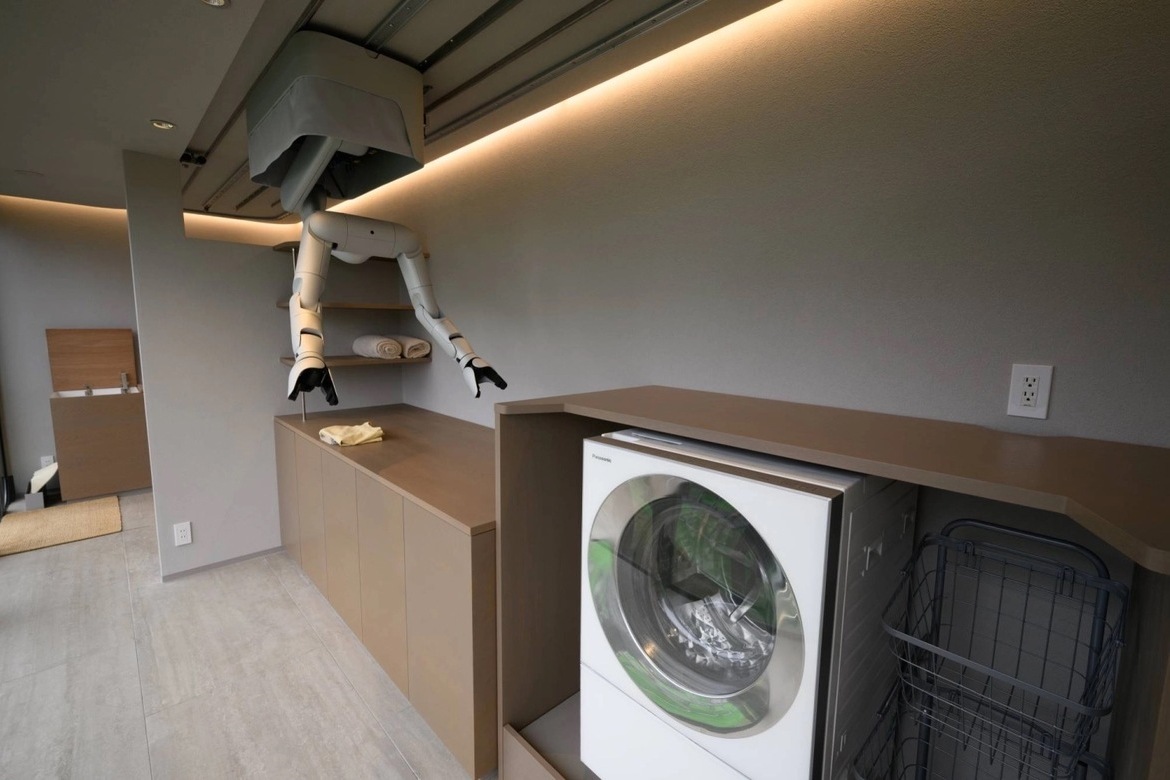
The companion robot is designed for continuous in-home use, targeting seniors and other users who benefit from ongoing conversational and task-based support. It builds a personalized model of its user over time – remembering life events, relationships, and preferences drawn from authorized access to personal data and accumulated interaction history. When users are away from home, interactions continue through a messaging app, maintaining continuity across physical and digital presence.
Agentic AI capabilities allow the robot to translate user intent into multi-step actions: drafting messages on supported apps, initiating video check-ins, and organizing personal content such as photos and schedules. The design reflects the same elder care demand driving deployments in South Korea, Japan, and China, where demographic pressure is accelerating interest in AI-assisted home care solutions.
Maestro: The Orchestration Layer
The strategic component of ASUS’s robotics announcement is Maestro, a unified AI orchestration platform that connects the two robots, IoT devices, and external systems through standardized APIs and automated workflow execution. Maestro receives instructions, coordinates with the appropriate robot or digital agent, executes tasks, and notifies users upon completion – functioning as a single operational backbone for multi-device service environments.
The platform also coordinates with ASUS Sage, the company’s virtual AI agent, enabling handoffs between physical robots and digital touchpoints as users move between environments. Maestro supports cross-brand robots and IoT devices across on-premises, cloud, and hybrid deployments – positioning it as infrastructure that could extend beyond ASUS hardware to third-party systems, a standard platform play that maximizes the addressable deployment base.
For ASUS, the Computex announcements signal a deliberate expansion from AI computing hardware – servers and AI PCs – into the physical AI layer where robots and orchestration software intersect. The healthcare validation pathway for Kairo and the elder care positioning of the companion robot give both products commercially defined starting points rather than open-ended research demonstrations.
Disclaimer: RobotsBeat is an independent media brand owned and operated by NuvexMedia LLC, publishing news, research, and insights on artificial intelligence, emerging technologies, automation, and related industries. NuvexMedia LLC invests in and collaborates with companies across the AI, Robotics, technology, software, and digital innovation sectors. These relationships do not influence RobotsBeat's editorial coverage, and the publication maintains full editorial independence to provide accurate, timely, and objective information. © 2026 NuvexMedia LLC. All rights reserved. This content is for informational purposes only and should not be considered legal, tax, investment, financial, or other professional advice.