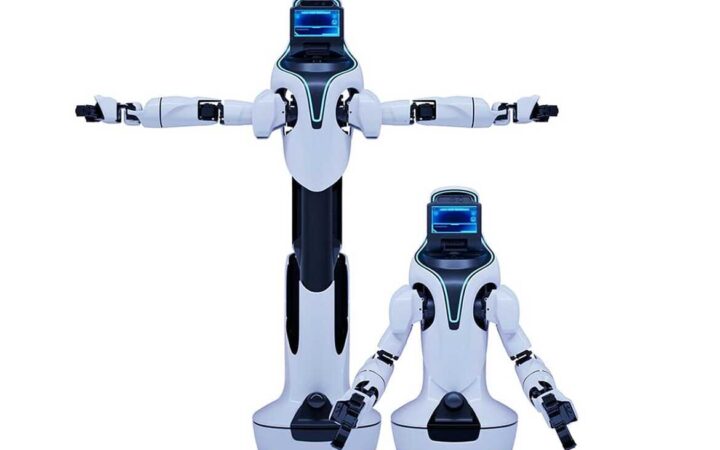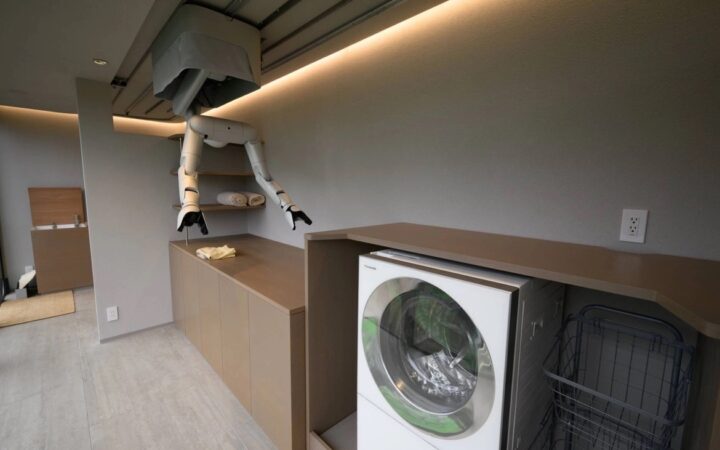
Faraday Future Intelligent Electric has reported 46 new robotics sales and shipments in April through its embodied AI business unit, bringing cumulative deliveries to 68 units. The figures were disclosed in a weekly investor update from founder and global co-CEO YT Jia. The company is targeting 200 cumulative shipments by the end of June and says each delivered model is producing positive gross margin. Faraday Future positions itself as the first U.S. company to deliver both humanoid and bionic robots, with the rollout structured around what it calls a “Device-Data-Brain” flywheel.
April deliveries were directed to a mix of B2C buyers and B2B education customers, including Boston International Business School and Triple I. On the platform side, the company has launched a developer incentive program and what it describes as the first youth developer program for AI-native users. It is also building out an EAI Data Factory framework intended to support model training using operational data collected from deployed units. Detailed technical specifications for the robots, including form factor breakdown between humanoid and bionic models, were not disclosed in the update.
The education channel is emerging as a primary near-term distribution route. Faraday Future and Boston International Business School officially launched the BIBS–FF AI and Robotics Institute in Omaha, timed to coincide with the Berkshire Hathaway annual shareholders meeting. The company says it is in discussions with UCLA on potential collaboration and recently ran a K–12 immersive robotics class with BrainBuilders STEM Education that drew more than 30 students and parents. Next steps include strategic partnerships with K–12 schools and universities, robot procurement programs, and an EAI education summer camp.
The shipment numbers remain modest by the standards of established robotics manufacturers, and Faraday Future’s broader financial position has historically been a source of investor scrutiny. However, the disclosed figures are notable as concrete deployment data from a publicly listed U.S. company attempting to bridge electric vehicles and humanoid robotics under a single platform strategy. Whether the 200-unit June target is reached and whether the education-led distribution model produces durable demand will be the key indicators of execution in the coming quarter.
Disclaimer: RobotsBeat is an independent media brand owned and operated by NuvexMedia LLC, publishing news, research, and insights on artificial intelligence, emerging technologies, automation, and related industries. NuvexMedia LLC invests in and collaborates with companies across the AI, Robotics, technology, software, and digital innovation sectors. These relationships do not influence RobotsBeat's editorial coverage, and the publication maintains full editorial independence to provide accurate, timely, and objective information. © 2026 NuvexMedia LLC. All rights reserved. This content is for informational purposes only and should not be considered legal, tax, investment, financial, or other professional advice.