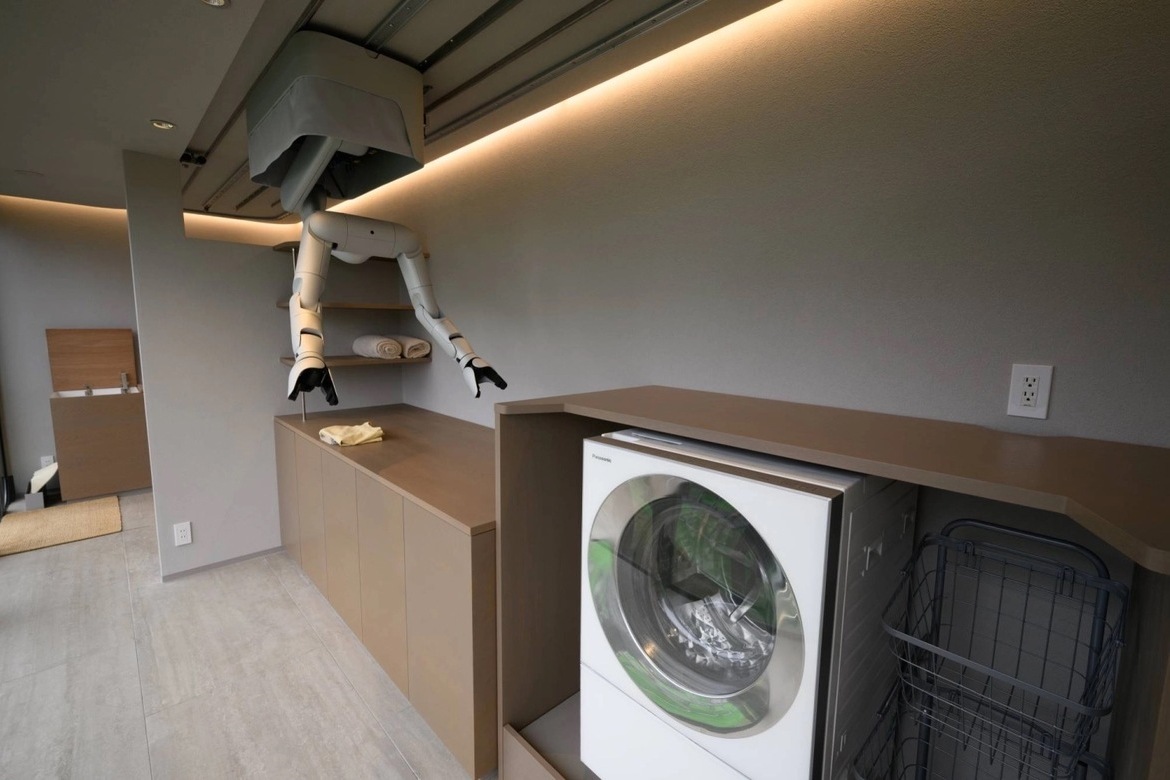
Silicon Valley’s attention is shifting from conversational AI toward humanoid robotics, with major firms including Nvidia, OpenAI, Meta, and Tesla expanding investments in embodied systems. The trend reflects a broader effort to move beyond software-based assistants toward AI deployed in physical machines capable of operating in real-world environments. According to industry reporting, embodied AI is increasingly framed by Silicon Valley as one of the next significant growth opportunities for the sector.
Recent developments illustrate the scale of the shift. At Nvidia’s GTC Taipei event, the company unveiled a standardized humanoid robot blueprint aimed at academic researchers, with availability expected in late 2026. The platform is intended to provide a common foundation for robotics development and lower barriers to entry for universities, research institutions, and startups. OpenAI has launched OpenAI Robotics, a dedicated division focused on robots that can assist skilled workers on infrastructure projects, with a longer-term vision of personal robots for everyday tasks. Tesla continues to advance its Optimus humanoid program, while Figure AI, recently valued at $39 billion, has signed a commercial agreement with Catalyst Brands to deploy humanoid robots in distribution and logistics environments.
Embodied AI differs structurally from cloud-based AI deployment. Robotics requires integration across perception, computer vision, sensors, real-time control software, simulation, and physical actuators that can interact safely with their surroundings. Performance must hold up in unpredictable real-world settings, where latency, reliability, and safety constraints are far more demanding than typical software-only deployments. As a result, companies are investing more heavily in specialized hardware, simulation platforms, and edge computing systems capable of running advanced AI models locally on robotic devices.
The convergence of major AI labs, semiconductor firms, and dedicated robotics startups around humanoid platforms marks a meaningful change in how the sector defines its frontier. Valuations such as Figure AI’s reflect investor expectations rather than proven commercial scale, and most humanoid deployments remain at the pilot or early commercial stage. The decisive factors going forward will be safety, reliability across long deployments, regulatory clarity, and whether emerging hardware standards reduce duplication of effort. The pace at which humanoid robots move from headline launches to durable industrial and consumer presence will determine whether the current investment cycle produces lasting market structure or settles into a narrower set of viable players.
Disclaimer: RobotsBeat is an independent media brand owned and operated by NuvexMedia LLC, publishing news, research, and insights on artificial intelligence, emerging technologies, automation, and related industries. NuvexMedia LLC invests in and collaborates with companies across the AI, Robotics, technology, software, and digital innovation sectors. These relationships do not influence RobotsBeat's editorial coverage, and the publication maintains full editorial independence to provide accurate, timely, and objective information. © 2026 NuvexMedia LLC. All rights reserved. This content is for informational purposes only and should not be considered legal, tax, investment, financial, or other professional advice.