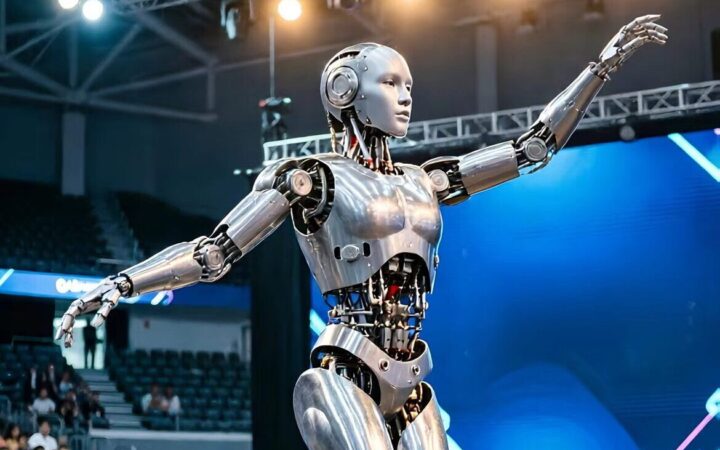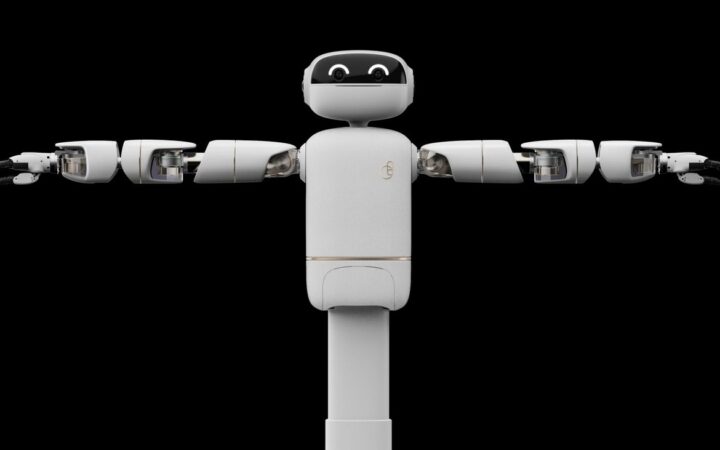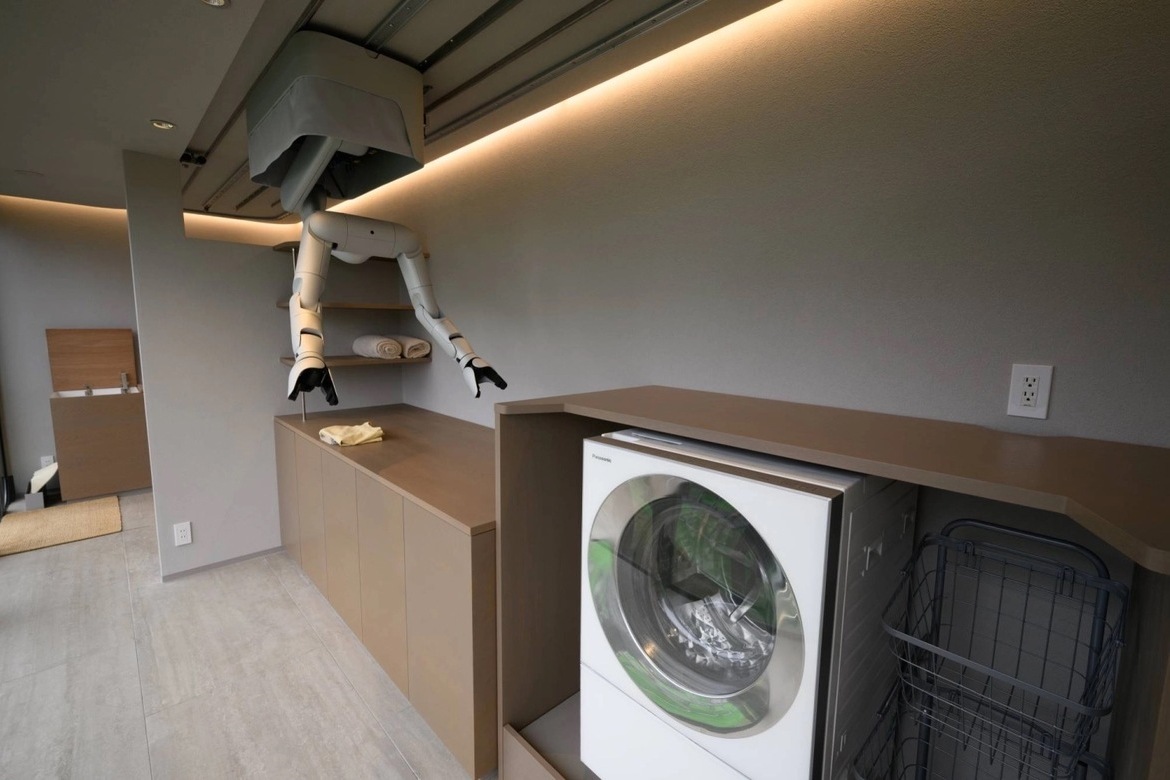


BYD has confirmed it is developing humanoid robots in-house, with the company’s own electric vehicle and battery production facilities serving as the first deployment environment. Executive Vice President Stella Li disclosed the program in a recent interview with local Chinese media, describing a strategy that begins with internal factory use to refine the technology and reduce costs through volume before expanding to consumer sales.
BYD established a dedicated robotics division in June 2025, hiring a research team focused on algorithms, structural design, and simulation. The program had been operating without public announcement for approximately a year before Li’s confirmation.
The Factory-First Strategy
Li said BYD expects to be its own largest customer for the robots it builds. The logic is direct: BYD operates some of the world’s densest EV and battery production lines, providing an immediate large-scale testing environment for dangerous or repetitive tasks. Data collected from factory deployment will be used to refine the technology, and volume from internal use will drive down unit costs ahead of external sales.
“Automotive software is complex, and porting it into robots is very easy for us,” Li said – a claim that positions BYD’s existing software engineering capability as a transferable asset to robotics, rather than a barrier the company needs to build from scratch.
The Consumer Vision and Distribution Advantage
Li described a long-term vision of three robots in every household – one for cleaning, one for cooking, and one as a walking companion – and outlined plans for an open robotics platform capable of manufacturing both BYD-developed robots and products built with external partners.
The distribution channel BYD is considering is its existing auto dealer network, a retail infrastructure spanning thousands of locations across China and internationally. This gives BYD a significant structural advantage over pure robotics startups that must build consumer distribution from zero. Auto dealers already handle high-value hardware sales, customer financing, after-sales service, and software updates – capabilities that translate directly to consumer robot retail.
Li also offered a comparative assessment of the global market: Chinese robots need better AI, while American robots need better physical hardware. BYD is building toward both.
The Competitive Landscape
BYD’s public entry into humanoid robotics adds one of the world’s largest manufacturers to a Chinese automaker cohort already including Xpeng, SAIC-GM, and Chery-incubated brand Aimoga, which recently began selling a consumer humanoid at 285,800 yuan ($42,260). Nio has held back, with CEO William Li citing car sales as the current priority.
At the global level, BYD joins Hyundai – deploying Boston Dynamics’ Atlas in smart factories in Singapore and Georgia – and Tesla, whose Optimus program is targeting volume production from July-August 2026. Citigroup has projected the robotics market could reach $7 trillion by 2050.
BYD has not disclosed a timeline for its first robot. Its subsidiary PaXini Tech, which develops haptic technology and dexterous robotic hands, raised $148 million in a March Series B at a valuation exceeding 10 billion yuan and is reportedly exploring a Hong Kong IPO – providing a parallel public market pathway for BYD’s robotics supply chain investment even as the parent company’s own robot program develops.
Disclaimer: RobotsBeat is an independent media brand owned and operated by NuvexMedia LLC, publishing news, research, and insights on artificial intelligence, emerging technologies, automation, and related industries. NuvexMedia LLC invests in and collaborates with companies across the AI, Robotics, technology, software, and digital innovation sectors. These relationships do not influence RobotsBeat's editorial coverage, and the publication maintains full editorial independence to provide accurate, timely, and objective information. © 2026 NuvexMedia LLC. All rights reserved. This content is for informational purposes only and should not be considered legal, tax, investment, financial, or other professional advice.