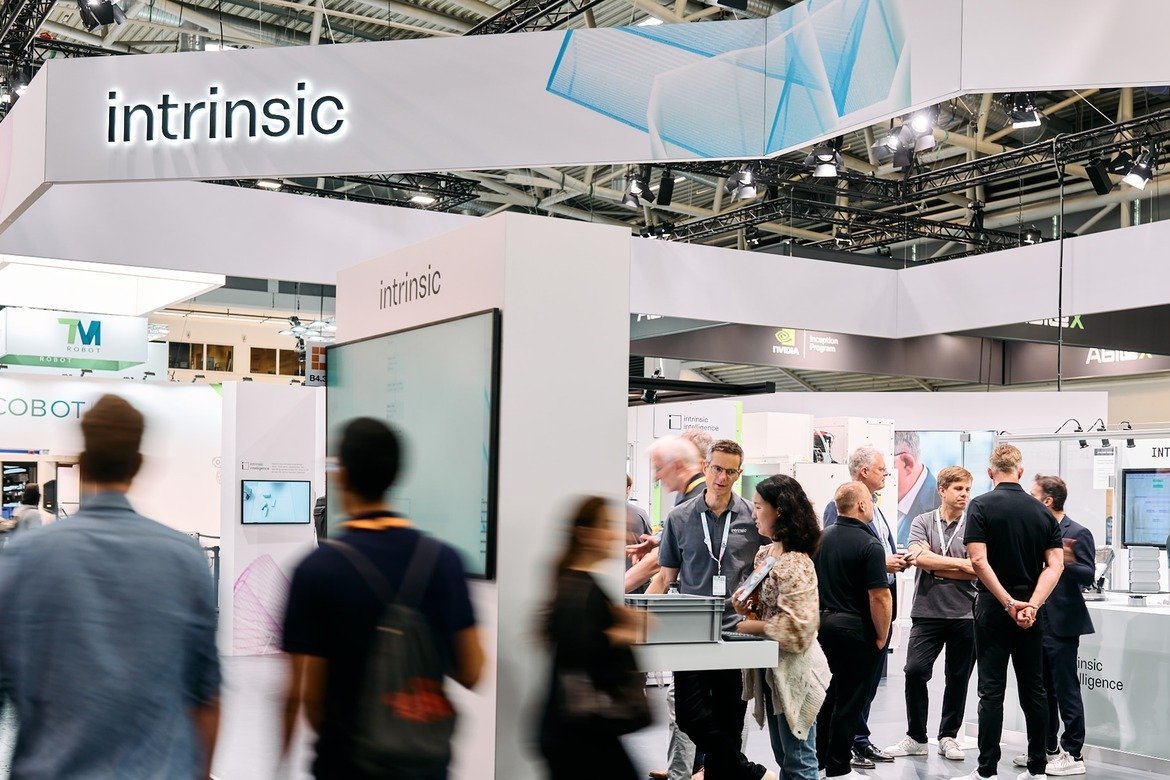
Google has brought robotics software company Intrinsic fully into its core operations, marking a significant step in its strategy to accelerate physical AI deployment across manufacturing and industrial automation. The move integrates Intrinsic’s robotics platform with Google’s broader artificial intelligence ecosystem, including its Gemini AI models, cloud infrastructure, and DeepMind research.
Intrinsic was originally launched in 2021 as part of Alphabet’s experimental Other Bets division, focused on simplifying robotics software development. By bringing Intrinsic closer into Google, the company aims to accelerate the transition of AI-driven robotics from research environments into real-world industrial deployment.
The integration reflects growing recognition among major technology companies that robotics represents the next frontier for artificial intelligence, extending machine intelligence beyond digital systems into the physical world.
Building a Software Platform for Industrial Robotics
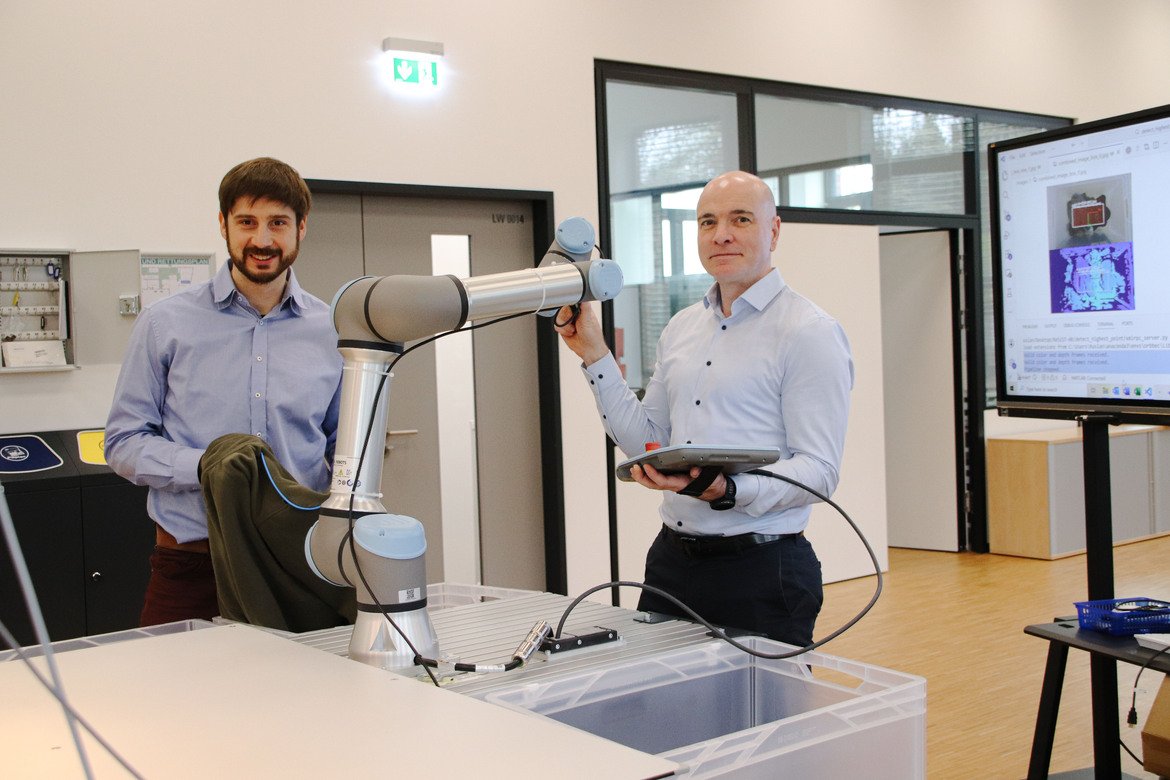
Intrinsic’s core technology provides a software platform designed to make robotics applications easier to develop, deploy, and operate. Traditionally, industrial robots require specialized programming and system integration, limiting flexibility and slowing adoption.
Intrinsic addresses this challenge by providing a unified development environment that allows developers to create robotics applications using modular building blocks known as skills. These components enable robots to perform tasks such as identifying objects, manipulating parts, or navigating production environments without requiring extensive custom coding.
The platform also includes simulation capabilities that allow developers to design and test robotics workflows virtually before deploying them in physical systems. This reduces deployment time and enables faster iteration.
By integrating Intrinsic’s platform with Google’s AI models, robotics systems can incorporate advanced perception, reasoning, and decision-making capabilities, allowing robots to adapt dynamically to changing conditions.
Linking AI Research to Industrial Deployment
Google’s decision to integrate Intrinsic more closely reflects a broader strategy to connect its AI research capabilities with industrial applications. While Google has been a leader in developing advanced AI models, translating those capabilities into physical systems has remained a key challenge.
Intrinsic provides a pathway for deploying AI in real-world environments, particularly in manufacturing and logistics. The platform supports a wide range of robotic hardware, allowing developers and automation providers to build applications that work across different robot types and configurations.
This hardware-agnostic approach mirrors software platform models in other technology sectors, where standardized development frameworks accelerate innovation and adoption.
Google’s Gemini models and cloud infrastructure provide additional capabilities, including advanced machine learning, large-scale data processing, and scalable deployment. Together, these technologies could enable robots to perform more complex tasks and improve over time through continuous learning.
Physical AI Becomes a Strategic Priority for Major Tech Companies
Google’s integration of Intrinsic highlights the increasing importance of physical AI as a strategic focus for major technology companies. Robotics represents a large potential market, particularly in manufacturing, logistics, and infrastructure, where automation can address labor shortages and improve productivity.
Unlike traditional industrial automation, which relies on fixed programming, AI-driven robotics systems can adapt to changing environments and perform more diverse tasks. This flexibility is essential for enabling broader deployment across industries.
By combining robotics software platforms with advanced AI models and cloud infrastructure, companies like Google aim to create scalable systems that can support widespread automation.
The move also positions Google to compete more directly with other companies investing heavily in robotics and physical AI, including Amazon, Nvidia, and emerging robotics startups developing foundation models and autonomous systems.
As AI capabilities continue to advance, the integration of software intelligence with physical machines is expected to reshape industrial automation. Google’s decision to bring Intrinsic in house signals its intent to play a central role in that transition, bridging the gap between AI research and real-world robotics deployment.