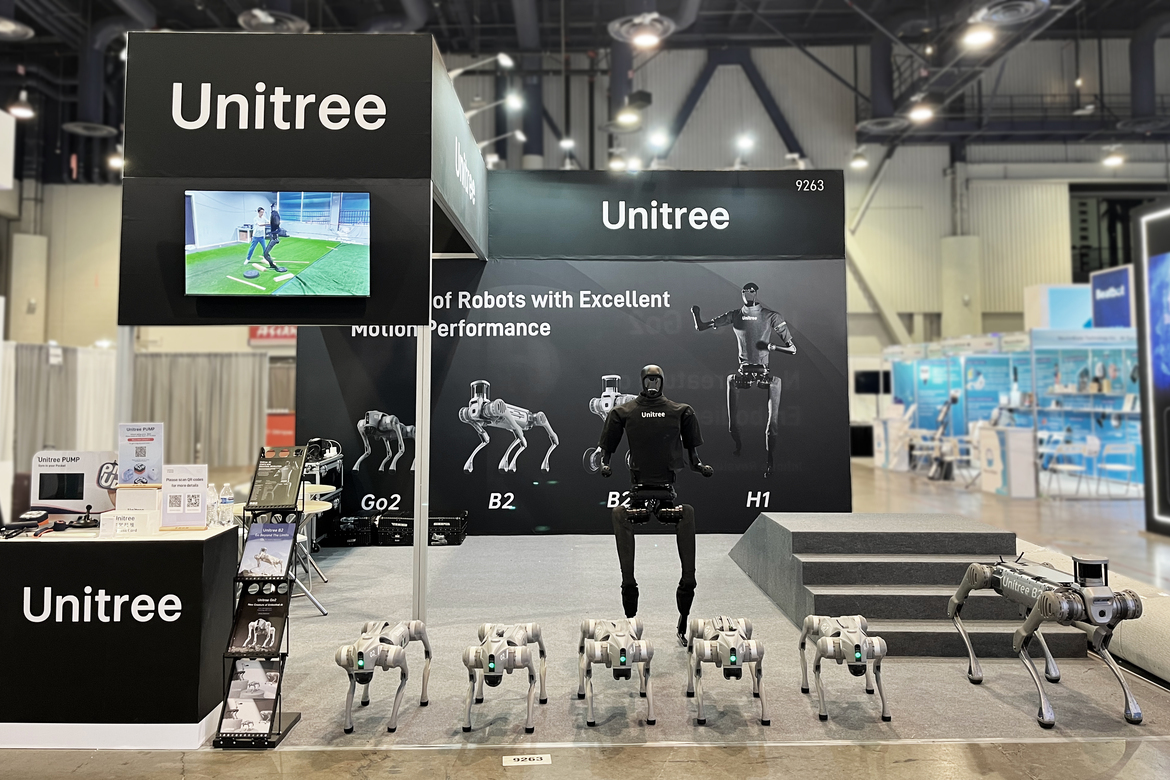


German Chancellor Friedrich Merz visited Unitree Robotics in Hangzhou this week, underscoring Germany’s growing interest in cooperation with China’s rapidly advancing robotics and artificial intelligence sector. The visit, part of a two-day trip to China that included a stop in Beijing, signals a pragmatic approach by Berlin as global competition in robotics intensifies.
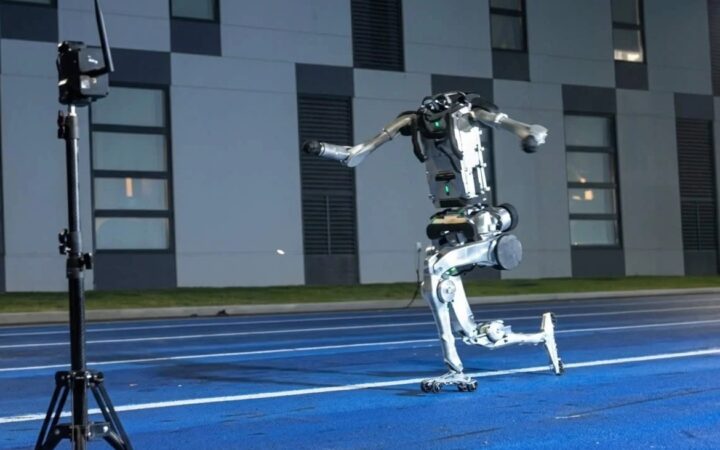
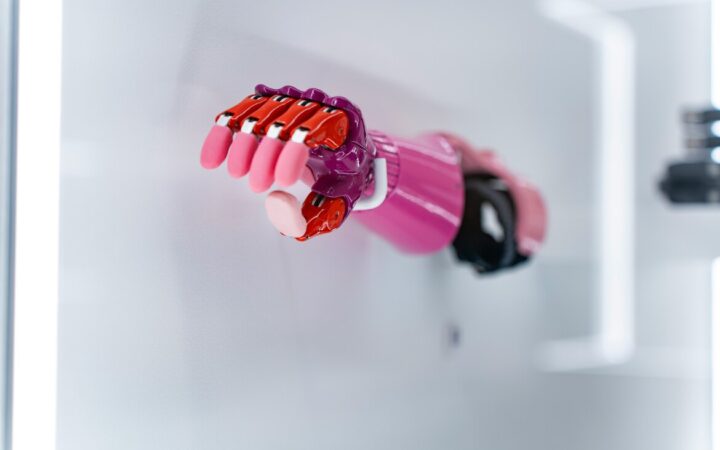
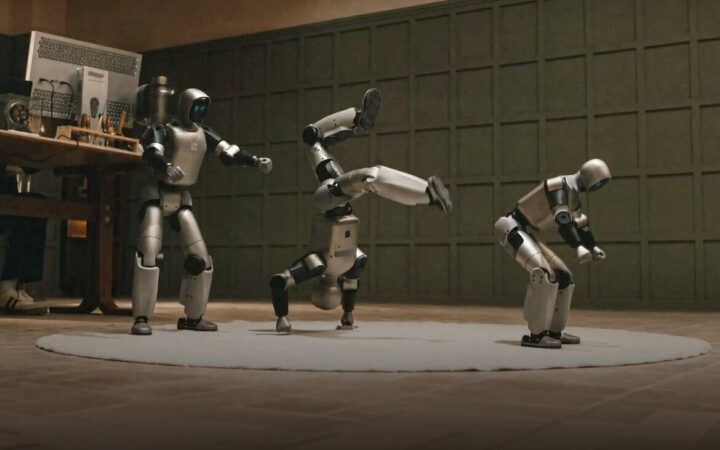
At Unitree’s headquarters, Merz observed live demonstrations of humanoid robot performances, including martial arts routines and coordinated robot combat displays. He also examined hardware components and received briefings from founder Wang Xingxing on the company’s product development and international ambitions.
The visit was accompanied by a delegation of roughly 30 senior German executives from industries including automotive, machinery, chemicals, and biopharma, highlighting the commercial dimension of the trip.
Robotics Becomes a Diplomatic and Industrial Priority
Unitree is one of China’s most prominent robotics firms, known for developing quadruped and humanoid robots that have gained international visibility. The company’s demonstrations, including high-mobility humanoid performances, reflect advances in motion control, actuation systems, and AI-driven coordination.
Merz’s presence at the facility indicates that robotics is emerging as a strategic area of dialogue between Germany and China. Germany remains Europe’s largest robotics market and a global leader in industrial automation, but it faces increasing competition from Chinese companies that are rapidly scaling both production and AI integration.
For Germany’s manufacturing sector, which relies heavily on automation, collaboration with fast-growing robotics ecosystems could offer access to new supply chains, hardware platforms, and AI capabilities.
Wang described the visit as an opportunity to deepen collaboration with German firms and expand global development of intelligent robotics. He emphasized the potential of the German market, where demand for automation remains strong despite recent economic headwinds.
Competition and Cooperation Intersect in Physical AI
The visit comes at a time when robotics is becoming central to global technology competition. Chinese robotics firms have accelerated development in recent years, leveraging large domestic markets, vertically integrated supply chains, and strong government support.
Germany, meanwhile, is grappling with declining robotics revenue and slower industrial growth, even as long-term automation drivers remain intact. This creates a complex dynamic: Germany is both a competitor and a potential partner in China’s robotics expansion.
For German industrial leaders accompanying the chancellor, exposure to China’s robotics manufacturing capabilities provides insight into how quickly the sector is evolving. Chinese firms are increasingly combining hardware engineering with AI-driven software platforms, narrowing historical technology gaps.
At the same time, geopolitical tensions and supply chain concerns complicate technology cooperation. Robotics and AI sit at the intersection of economic opportunity and strategic sensitivity.
Robotics Moves to the Center of Global Industrial Strategy
Merz’s visit to Hangzhou highlights how robotics is no longer confined to research labs or factory floors. It has become a central element of national industrial strategy and international economic diplomacy.
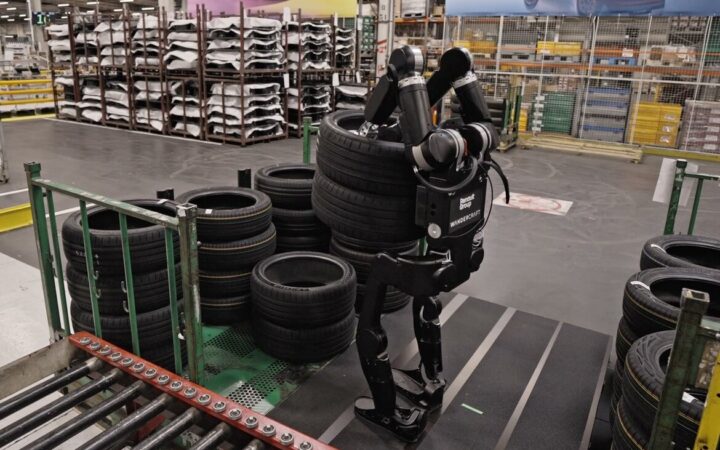
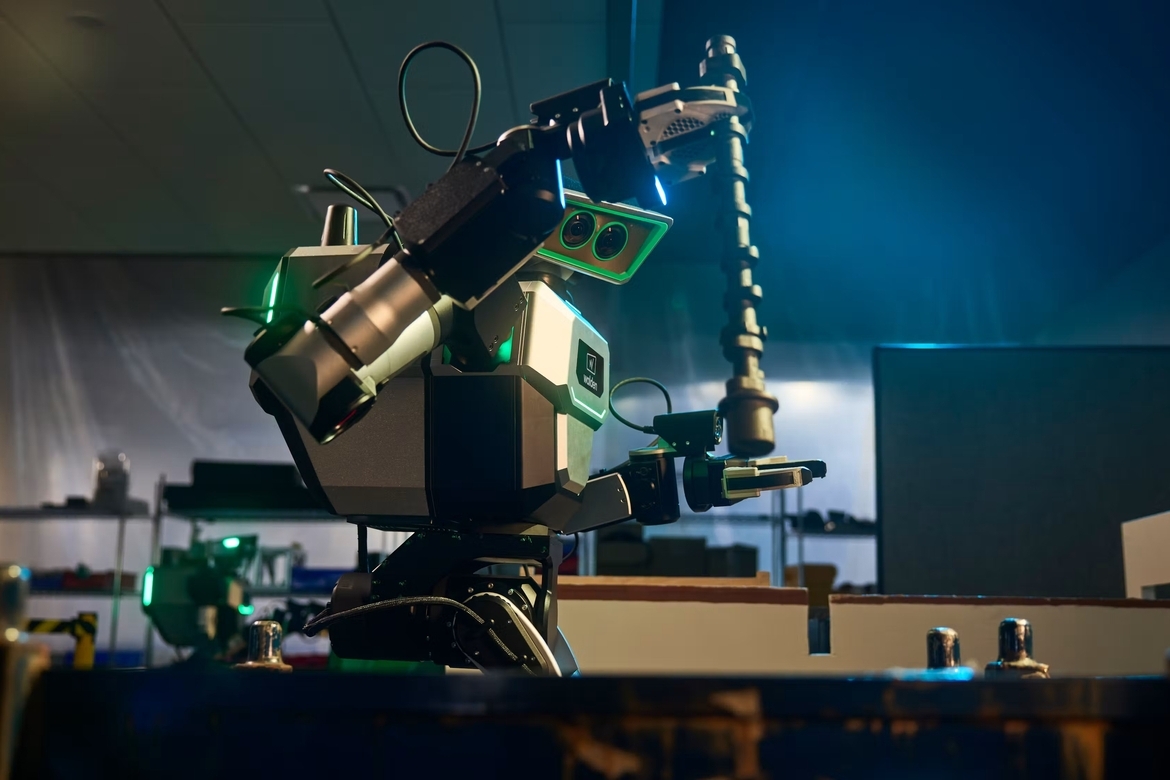
Humanoid and quadruped robots on display during the visit demonstrated capabilities that were once largely experimental. As these systems improve and scale, they are expected to expand into manufacturing, logistics, inspection, and service sectors.
For Germany, whose economy is deeply tied to advanced manufacturing, maintaining competitiveness in robotics and automation is critical. Engaging with Chinese technology leaders may offer commercial opportunities, but it also reflects recognition that innovation in physical AI is increasingly global.
The Hangzhou stop signals that robotics cooperation, alongside competition, will shape the next phase of industrial relations between Europe and China. As embodied AI systems move toward broader deployment, they are becoming not just industrial tools, but instruments of economic policy and international partnership.
Disclaimer: RobotsBeat is an independent media brand owned and operated by NuvexMedia LLC, publishing news, research, and insights on artificial intelligence, emerging technologies, automation, and related industries. NuvexMedia LLC invests in and collaborates with companies across the AI, Robotics, technology, software, and digital innovation sectors. These relationships do not influence RobotsBeat's editorial coverage, and the publication maintains full editorial independence to provide accurate, timely, and objective information. © 2026 NuvexMedia LLC. All rights reserved. This content is for informational purposes only and should not be considered legal, tax, investment, financial, or other professional advice.