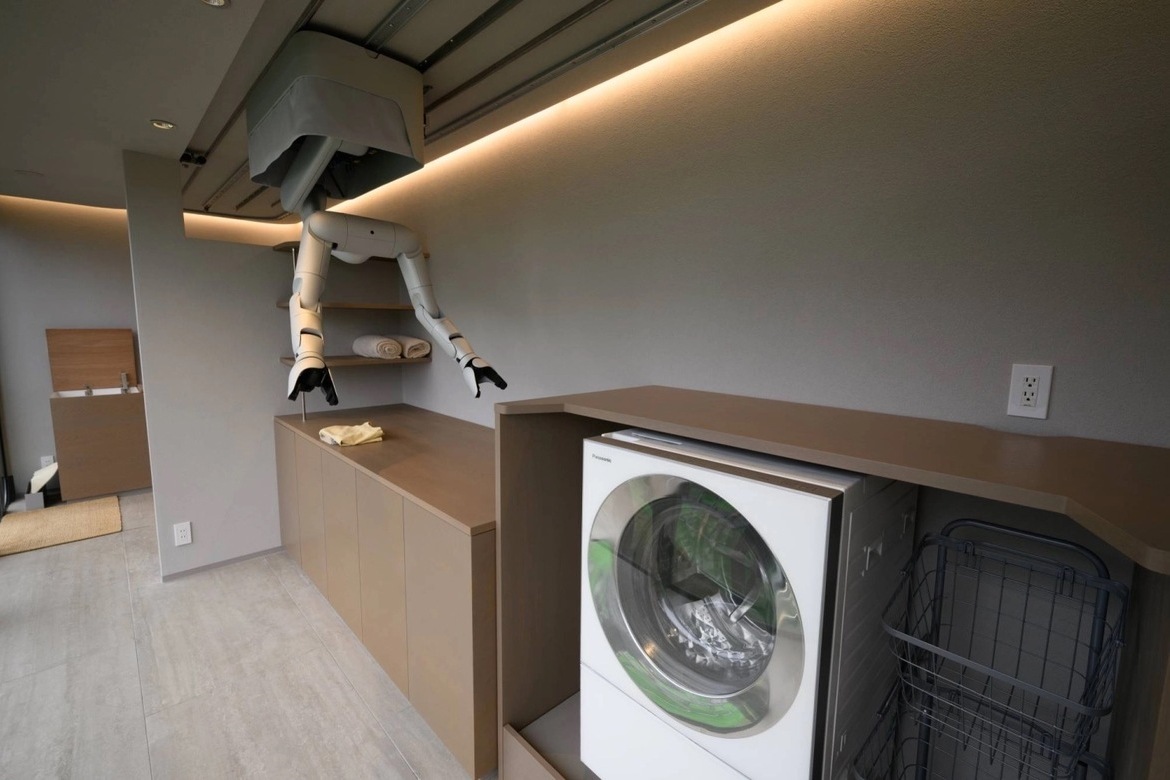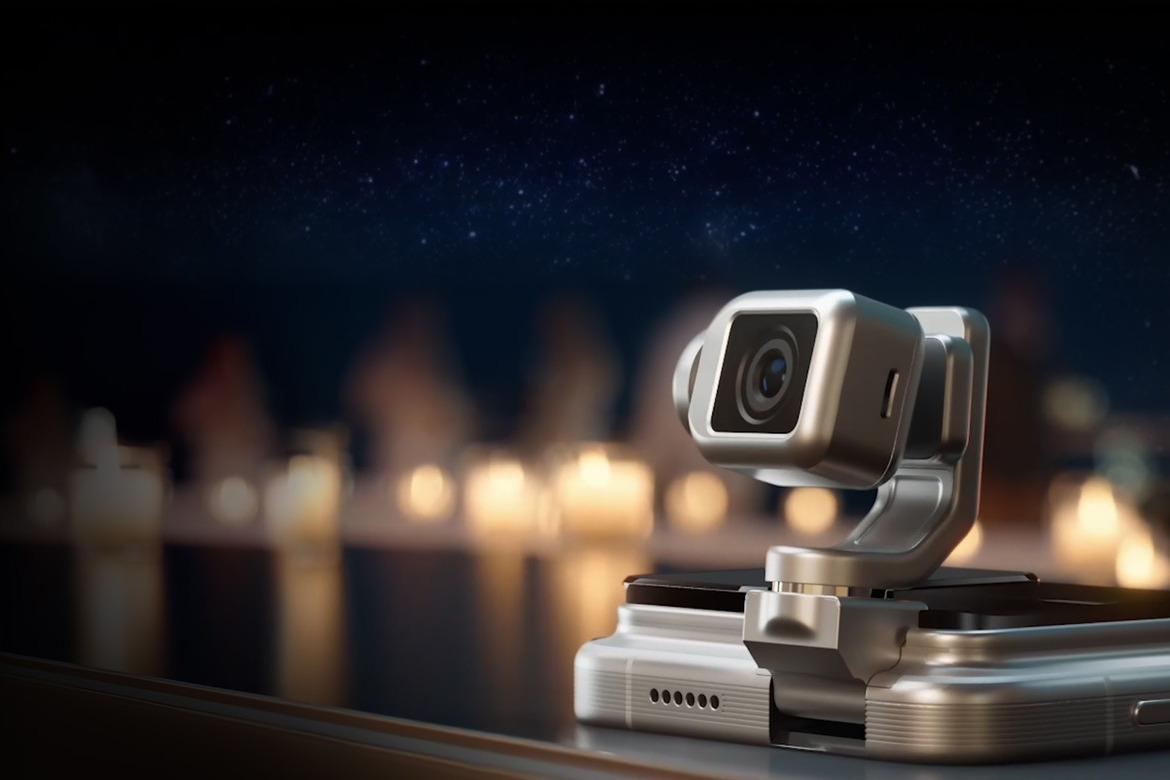


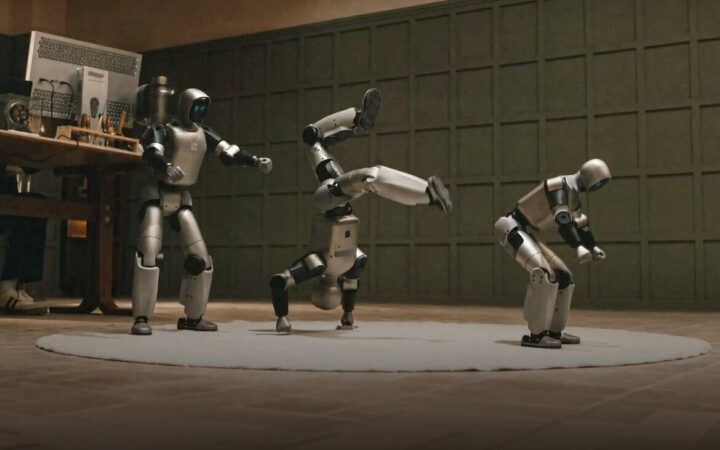
Chinese smartphone maker HONOR plans to unveil its first humanoid robot at Mobile World Congress (MWC) 2026 in Barcelona, marking a strategic shift from mobile devices into embodied AI and robotics. The move positions HONOR among a growing number of consumer technology companies seeking to expand beyond traditional computing platforms into physical AI systems.
The announcement represents one of the clearest signs yet that humanoid robotics is becoming a target for companies outside the traditional robotics and industrial automation sectors.
From Smartphones to Physical AI
HONOR’s humanoid robot debut will be part of its broader product showcase at MWC 2026, which also includes new smartphones, laptops, and tablets. The robotics initiative is part of the company’s long-term strategy to develop integrated AI systems spanning digital and physical devices.
The company has framed its robotics expansion as a step toward a “human-machine synergized future”, reflecting a broader industry shift toward embodied AI – systems that can perceive and act in the physical world.
Smartphone manufacturers have extensive experience in key enabling technologies for robotics, including mobile processors, cameras, sensors, and battery systems. These components are foundational to humanoid robots, which require advanced computing and perception capabilities to operate autonomously.
HONOR’s entry into robotics reflects the convergence of mobile computing and physical automation.
Consumer Technology Companies Enter Robotics
HONOR is among the first major smartphone manufacturers to publicly announce humanoid robot development. The move reflects a broader trend in which companies traditionally focused on consumer electronics are exploring robotics as the next major computing platform.
Historically, robotics development was dominated by industrial automation companies and specialized robotics firms. However, advances in AI models, computing hardware, and sensor technology have lowered barriers to entry.
Consumer electronics companies have several advantages. They operate at large production scale, have established supply chains, and possess expertise in integrating hardware and software into cohesive systems.
This convergence mirrors earlier transitions in computing. Smartphones combined processors, sensors, connectivity, and AI into unified platforms. Humanoid robots may represent a similar integration, but applied to physical interaction.
Strategic Implications for the Robotics Industry
HONOR’s robotics initiative reflects a growing belief that embodied AI will become a major computing platform over the coming decade.
As AI systems become more capable, the next phase of development involves deploying intelligence into physical systems that can interact with real-world environments.
Smartphone companies are well positioned to participate in this transition. Many of the technologies required for robotics – edge computing, computer vision, and battery optimization – are extensions of existing mobile technology capabilities.
At the same time, robotics introduces new challenges. Unlike smartphones, humanoid robots must manage dynamic motion, physical interaction, and safety-critical operations.
The expansion of companies like HONOR into robotics could accelerate industry growth by increasing investment, competition, and technological innovation.
The Broader Shift Toward Embodied AI
HONOR’s humanoid robot debut highlights a broader shift across the technology industry. Companies that once focused exclusively on digital platforms are now targeting physical AI systems.
This reflects a growing recognition that the future of AI will extend beyond software into machines capable of interacting with the physical world.
Humanoid robots remain in early stages of commercialization, but rapid progress in AI models, computing hardware, and manufacturing is accelerating development.
HONOR’s entry signals that robotics is no longer confined to specialized robotics companies. Instead, it is emerging as a new frontier for the broader technology industry.
As embodied AI becomes more central to computing, companies with expertise in integrated hardware and software systems may play a key role in shaping the future of robotics.
Disclaimer: RobotsBeat is an independent media brand owned and operated by NuvexMedia LLC, publishing news, research, and insights on artificial intelligence, emerging technologies, automation, and related industries. NuvexMedia LLC invests in and collaborates with companies across the AI, Robotics, technology, software, and digital innovation sectors. These relationships do not influence RobotsBeat's editorial coverage, and the publication maintains full editorial independence to provide accurate, timely, and objective information. © 2026 NuvexMedia LLC. All rights reserved. This content is for informational purposes only and should not be considered legal, tax, investment, financial, or other professional advice.