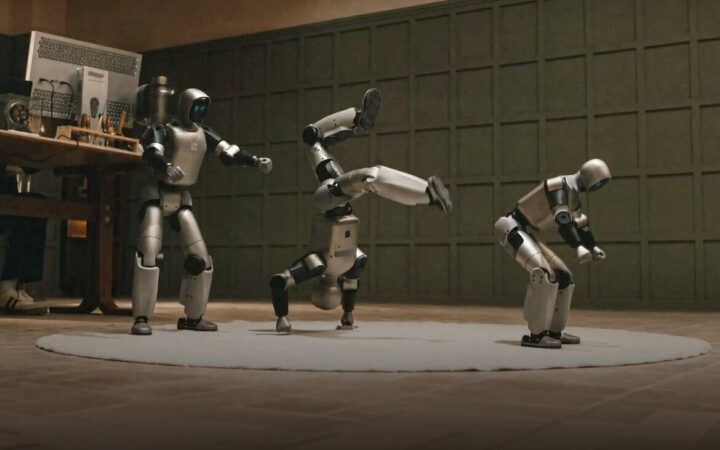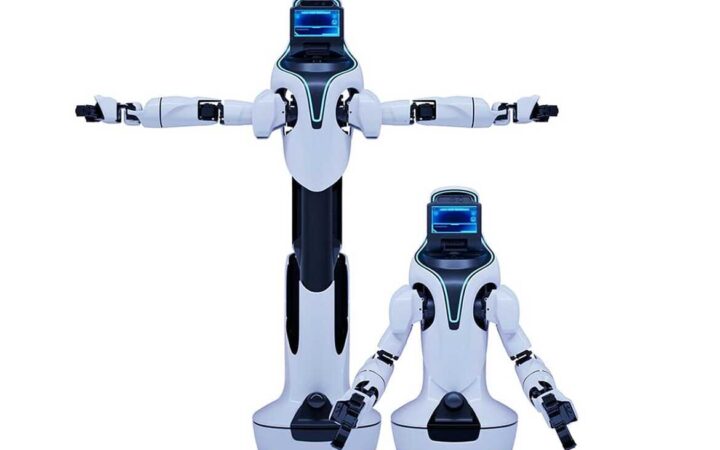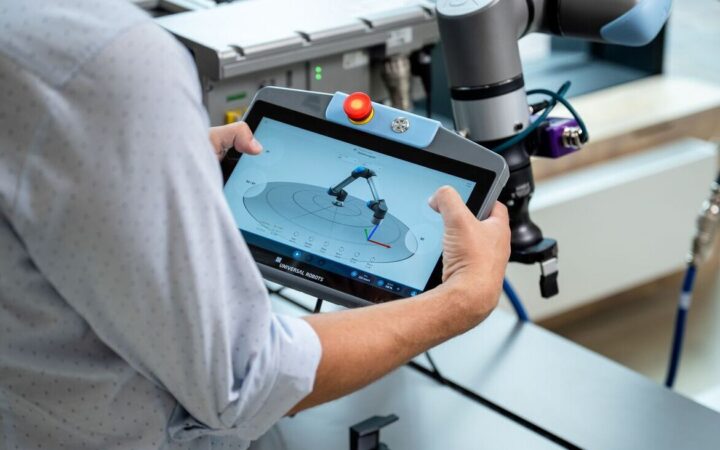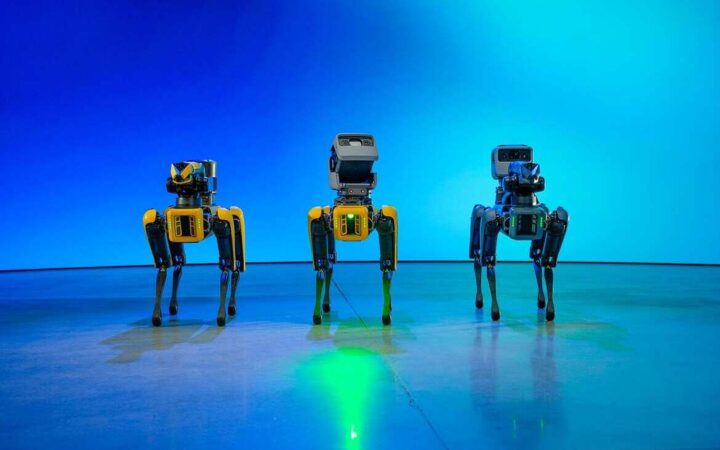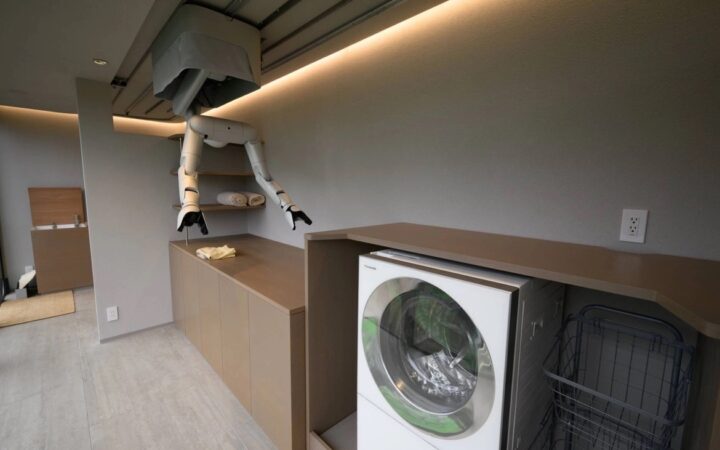

The International Federation of Robotics has published the first industry-wide count of humanoid robot sales, placing global 2025 figures at approximately 7,000 units for industrial and professional service use. The count is the first time the Frankfurt-based federation, which has compiled robotics statistics for three decades, has collected humanoid data alongside its larger industrial and service robot figures.
The scale is striking in context. Around 542,000 conventional industrial robots were installed globally in 2024, and approximately 199,000 service robots were sold that year for transport, hospitality, and cleaning applications. Humanoids remain “a fraction” of the global robot population, IFR secretary general Susanne Bieller said.
What the 7,000 Figure Includes and Excludes
The IFR’s count uses supplier data and national industry association figures. To qualify as a humanoid under IFR criteria, a robot must have a human-like appearance and operate autonomously in an environment designed for people. Legs are optional. The tally excludes consumer humanoids, military robots, and medical robots, which fall into separate categories.
The full 2025 industrial and service robot data will be published on September 24.
Where Those 7,000 Robots Went
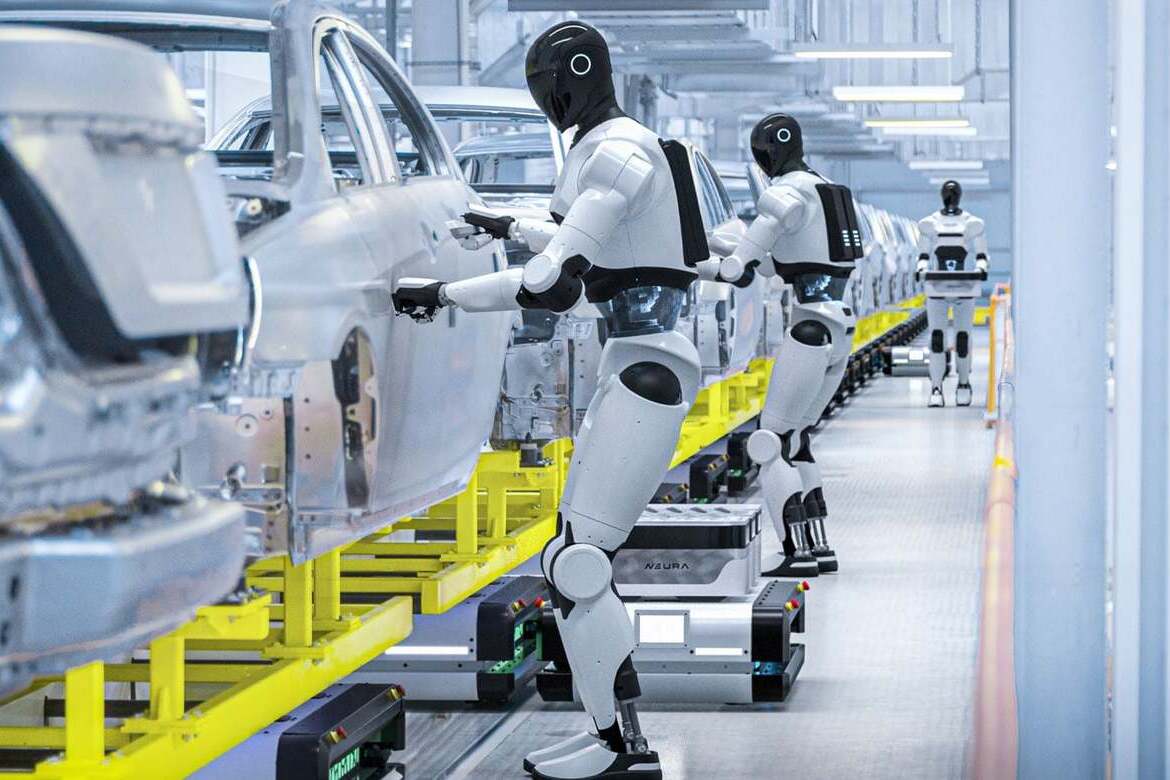
The more important finding in the IFR count may be where last year’s humanoids went. Bieller said carmakers – among the most frequently cited early adopters – are running pilots with “single-digit or sometimes double-digit numbers of robots in their plants”. Much of last year’s demand came from research laboratories and AI developers using robots to generate physical training data, not from manufacturers replacing human labor on production lines.
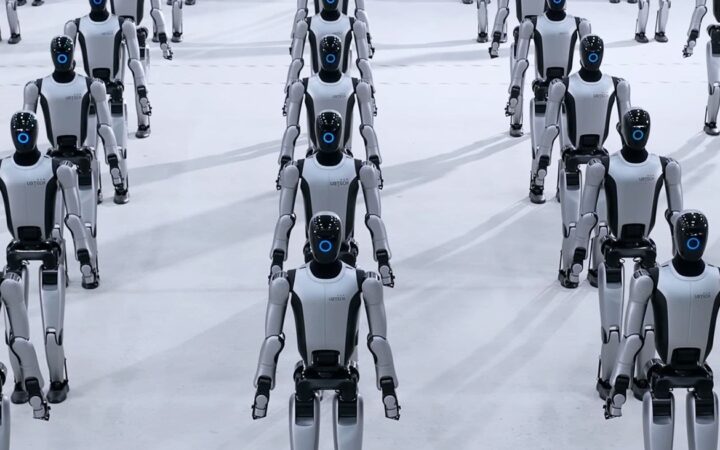
Unitree’s own sales data confirms the pattern: nearly three-quarters of its humanoid sales went to universities, research institutions and individual developers rather than to industrial customers. The showpiece demonstrations that have defined 2026’s humanoid narrative – sprint records, robot games, factory announcements – are largely disconnected from the actual commercial deployment picture that the IFR count captures.
The Forecast Gap
Projections diverge dramatically from the current baseline. Bank of America Global Research estimates 90,000 humanoid shipments in 2026 – approximately 13 times the IFR’s 2025 tally – and 1.2 million by 2030. The divergence partly reflects different counting methodologies: the IFR focuses on completed commercial sales for industrial and professional service use, while investment bank forecasts may include a broader definition of shipments including pre-commercial deployments, data collection programs, and internal use.
China accounts for much of the forecast optimism. Its National Development and Reform Commission has announced a state-backed venture fund expected to attract nearly 1 trillion yuan toward robotics and AI over 20 years. China’s share of global industrial robot installations has grown from approximately one-fifth to more than half over the past decade, and investors are modeling humanoids following the same trajectory.
The Gap Between Demonstrations and Deployment
The IFR data provides the clearest industry-wide reality check on the gap between humanoid robot rhetoric and commercial reality. Until carmaker pilots grow from double-digit robot counts into full-scale fleets performing productive work, and until the buyer mix shifts from research institutions toward operational industrial customers, annual sales will remain far closer to 7,000 than to 90,000.
The data does not undermine the long-term trajectory – the IFR is collecting this data because humanoids are clearly an emerging category worth tracking – but it provides the baseline against which the 2026 and 2027 shipment claims will ultimately be measured.
Disclaimer: RobotsBeat is an independent media brand owned and operated by NuvexMedia LLC, publishing news, research, and insights on artificial intelligence, emerging technologies, automation, and related industries. NuvexMedia LLC invests in and collaborates with companies across the AI, Robotics, technology, software, and digital innovation sectors. These relationships do not influence RobotsBeat's editorial coverage, and the publication maintains full editorial independence to provide accurate, timely, and objective information. © 2026 NuvexMedia LLC. All rights reserved. This content is for informational purposes only and should not be considered legal, tax, investment, financial, or other professional advice.