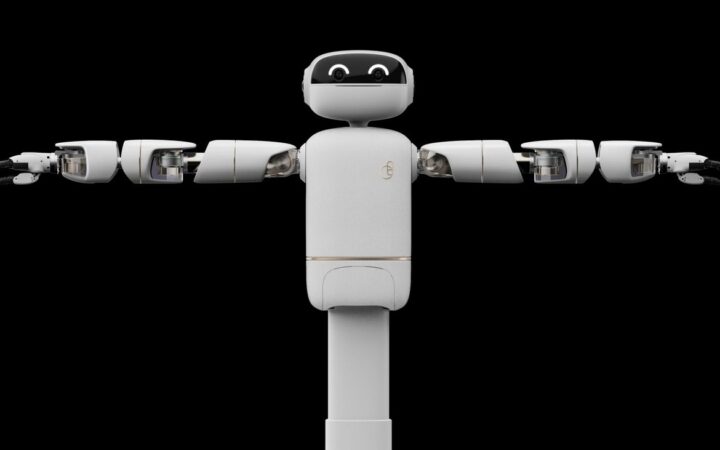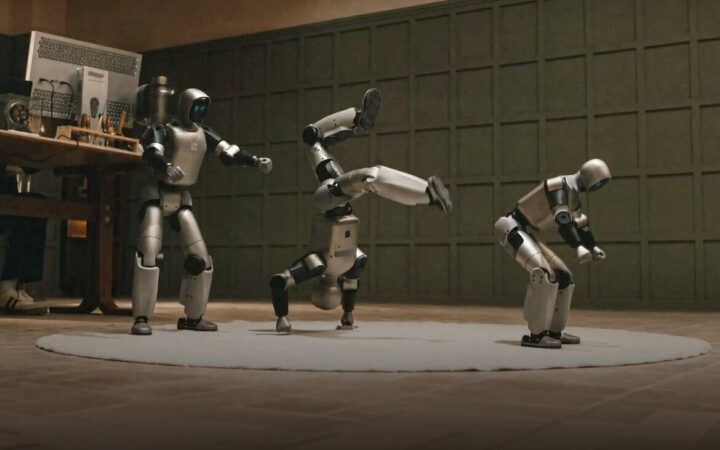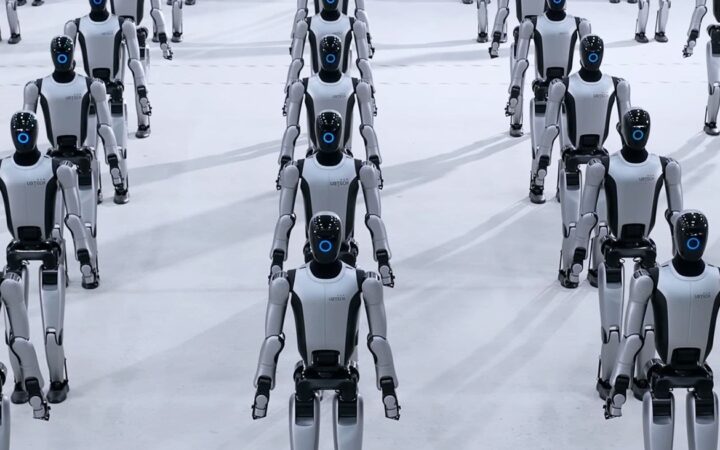


Meta has acquired Assured Robot Intelligence, known as ARI, a startup building foundation models for humanoid robots to perform physical labor in complex, human-occupied environments. The financial terms were not disclosed. ARI’s founding team, including co-founders Xiaolong Wang and Lerrel Pinto, will join Meta’s Superintelligence Labs research division.
“We acquired Assured Robot Intelligence, a company at the frontier of robotic intelligence designed to enable robots to understand, predict, and adapt to human behaviors in complex and dynamic environments,” a Meta spokesperson said.
Who ARI’s Founders Are
The acquisition is notable for the caliber of the researchers involved. Xiaolong Wang was previously a researcher at Nvidia and an associate professor at UC San Diego, with a research background in robot learning and computer vision. Lerrel Pinto previously taught at NYU and co-founded Fauna Robotics, a kid-size humanoid startup acquired by Amazon last month. Both co-founders carry significant academic and industry credentials in the robotics AI research community.
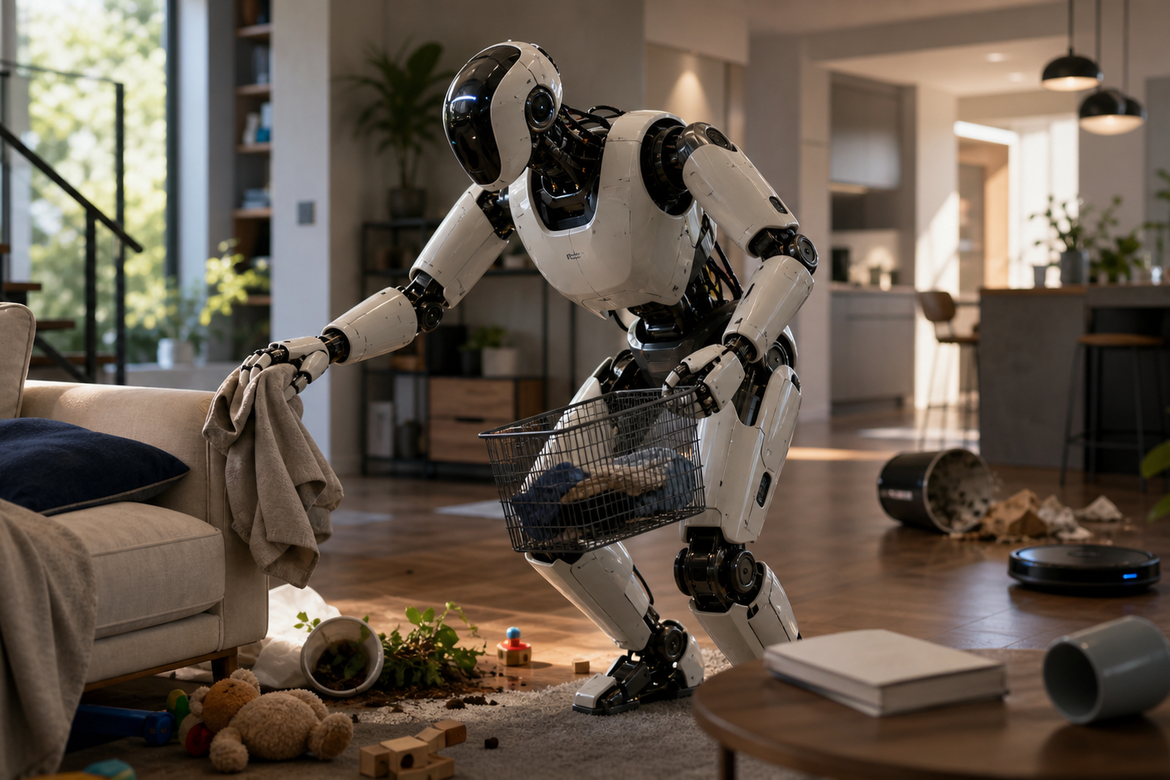
ARI was building foundation models intended to enable humanoid robots to perform a broad range of physical tasks, including household chores – a use case that requires robots to operate reliably in unstructured environments with variable object configurations and human presence.
Meta’s Humanoid Ambitions
Meta researchers have been working on humanoid robotics technology for several years. A leaked internal memo in early 2025 outlined ambitions to develop both AI models and hardware for a consumer humanoid robot. The ARI acquisition accelerates the AI model side of that program, adding a team with specific expertise in whole-body humanoid control and self-learning systems.
“This team will bring deep expertise in how we can design our models and frontier capabilities for robot control and self-learning to whole-body humanoid control,” the Meta spokesperson said.
The acquisition also reflects a broader thesis gaining traction in the AI research community: that the path toward artificial general intelligence may require training AI models through direct physical interaction with the real world, rather than on data alone. Robots that learn by doing – adapting through experience in dynamic environments – generate a class of training signal that text and image datasets cannot replicate.
Industry Context
The ARI deal follows Amazon’s acquisition of Fauna Robotics last month and is part of an accelerating pattern of large technology companies acquiring robotics AI research teams rather than building the capability internally from scratch. Meta, Amazon, Google, and Apple have all made moves in physical AI over the past year, reflecting a shared view that embodied intelligence is becoming a foundational capability rather than a peripheral research area.
Market size projections for the humanoid robot sector vary significantly – Goldman Sachs estimates a $38 billion market by 2035, while Morgan Stanley projects $5 trillion by 2050 – a spread that reflects both the sector’s long-term potential and the substantial uncertainty that remains around commercialization timelines and deployment scale.
Disclaimer: RobotsBeat is an independent media brand owned and operated by NuvexMedia LLC, publishing news, research, and insights on artificial intelligence, emerging technologies, automation, and related industries. NuvexMedia LLC invests in and collaborates with companies across the AI, Robotics, technology, software, and digital innovation sectors. These relationships do not influence RobotsBeat's editorial coverage, and the publication maintains full editorial independence to provide accurate, timely, and objective information. © 2026 NuvexMedia LLC. All rights reserved. This content is for informational purposes only and should not be considered legal, tax, investment, financial, or other professional advice.