

A new robotics startup focused on industrial labor automation has raised $52 million to accelerate deployment of physical AI systems designed for some of the most demanding jobs in modern infrastructure.
Silicon Valley-based RoboForce announced the funding round led by YZi Labs, with additional backing from investors including technology entrepreneurs and institutional partners. The company is developing a full-stack robotics platform aimed at replacing or augmenting human labor in sectors such as renewable energy construction, logistics, mining, and data center development.
The investment signals growing investor interest in what many industry leaders describe as the next phase of artificial intelligence: machines capable of operating in the physical world rather than purely digital environments.
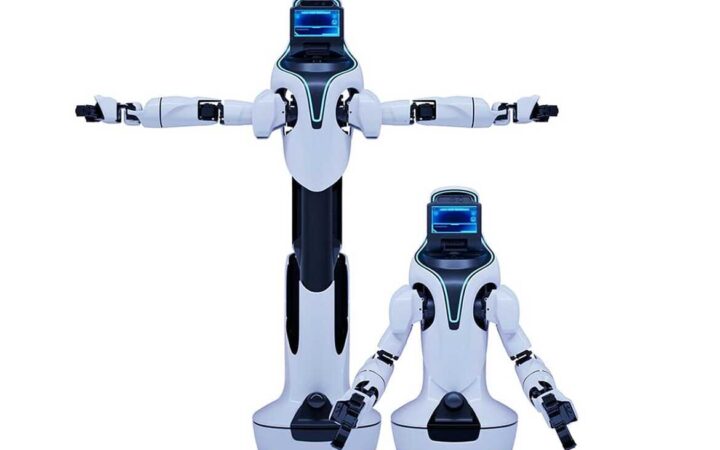
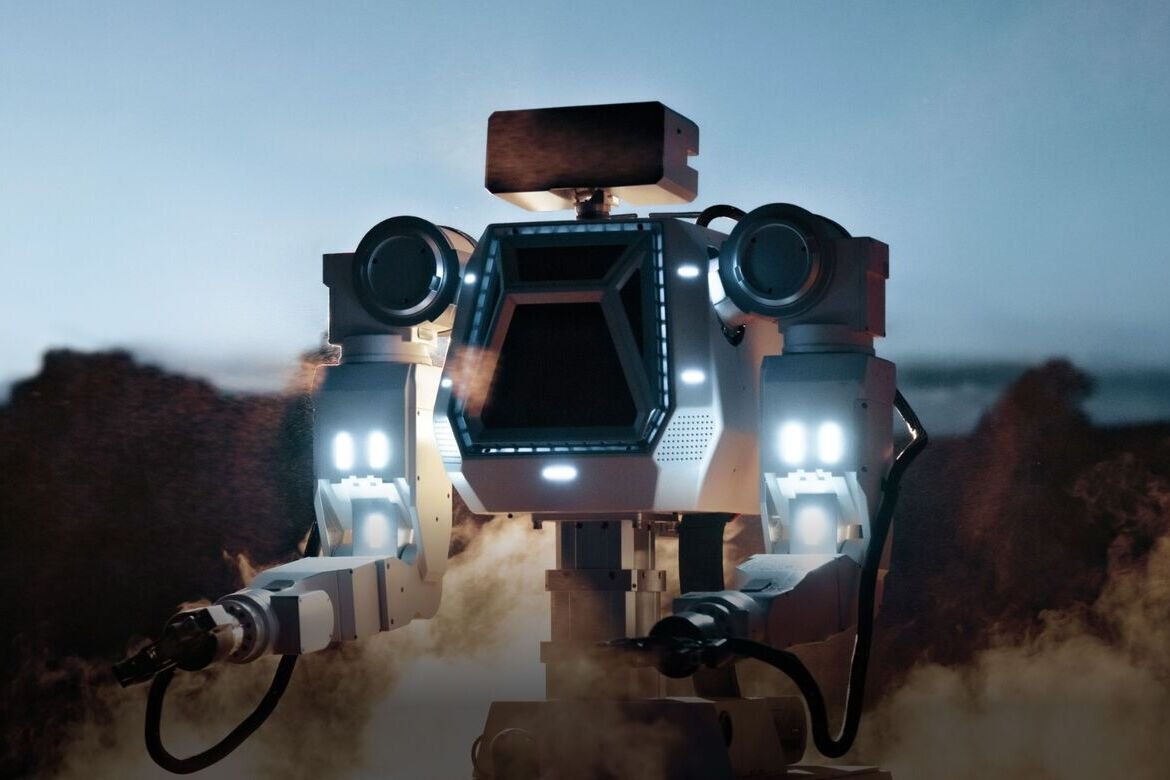
RoboForce’s flagship system, known as TITAN, is designed to work in environments where heat, repetition, and safety risks make human labor increasingly difficult to sustain. The company says it has already received letters of intent representing demand for more than 11,000 robots as it transitions from pilot deployments to larger-scale production.
Automation for the Hardest Industrial Jobs
The company’s founding thesis emerged from firsthand observation of labor-intensive industrial work.
Co-founder and CEO Leo Ma, who previously worked on autonomous systems and mobility technologies, has described visiting numerous industrial sites where the same challenge repeatedly appeared: physically demanding jobs that were difficult to staff consistently.
Solar energy construction offers a clear example. Utility-scale solar installations require workers to secure millions of panels across large outdoor sites, often in extreme heat. In the United States alone, labor shortages contributed to delays affecting tens of gigawatts of solar capacity in recent years.
Similar gaps exist across logistics hubs, mining operations, and infrastructure construction. These jobs require endurance, precision, and safety compliance, but often struggle to attract or retain workers.
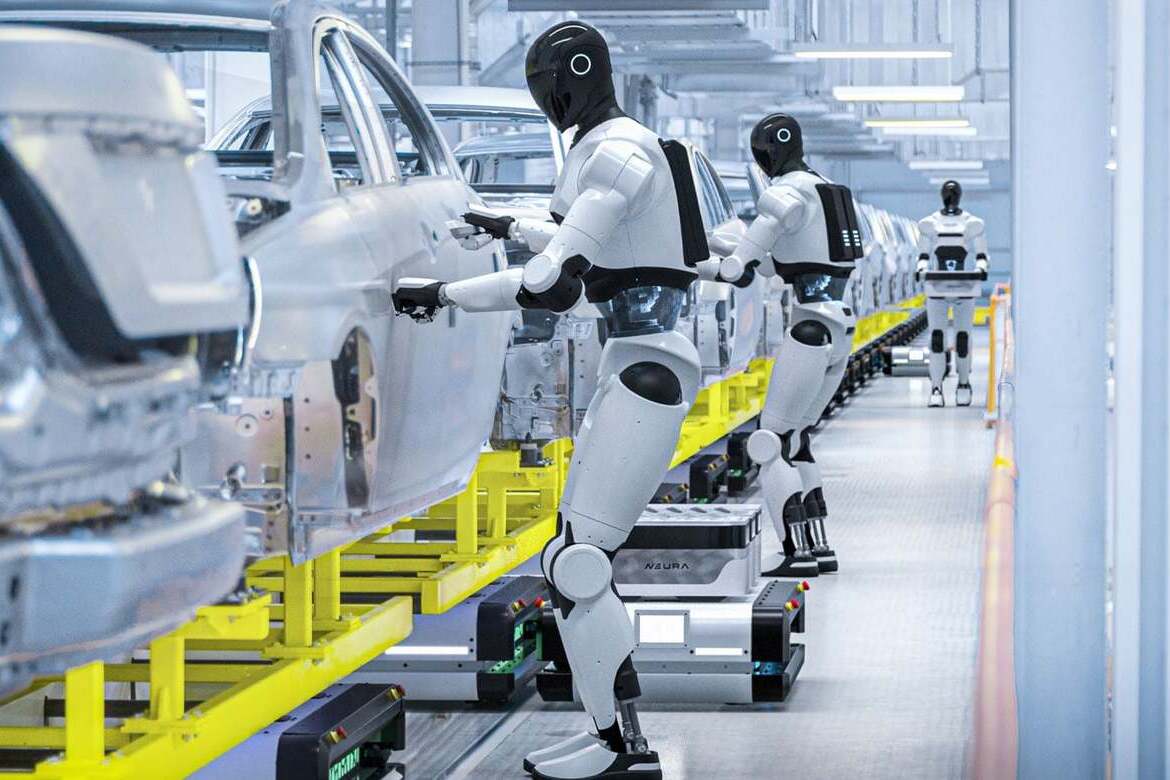
RoboForce is positioning its robots as a solution to this structural workforce gap. TITAN is designed for millimeter-level precision and sustained operation in harsh environments, allowing it to perform tasks such as assembly, installation, and materials handling in large industrial projects.
Building a Physical AI Data Flywheel
Beyond the hardware itself, the company’s strategy centers on what it calls a “physical AI data flywheel”.
Each deployed robot collects operational data from real-world environments. That data feeds back into RoboForce’s foundation model, allowing the system to improve its capabilities over time and adapt to new industrial tasks.
The concept mirrors trends in autonomous vehicles and large-scale AI systems, where real-world data becomes a key competitive advantage. The more robots operating in the field, the faster the learning cycle accelerates.
RoboForce is developing its platform in collaboration with NVIDIA’s robotics ecosystem. Its systems use NVIDIA Jetson Thor for edge computing while relying on Isaac simulation tools, Isaac Lab training frameworks, and Cosmos world models to train robotic behaviors before deploying them in physical environments.
The approach allows robots to practice tasks in simulation and refine them with real-world feedback, narrowing the gap between experimental demonstrations and production deployment.
The company’s visibility increased when NVIDIA CEO Jensen Huang highlighted RoboForce’s technology during a keynote presentation at GTC, framing AI-powered robotics as a key driver of a broader industrial transformation.
Investors Bet on Physical AI Infrastructure
For YZi Labs, which manages more than $10 billion in assets, the investment reflects a growing conviction that robotics will become a central layer of future infrastructure.
Ella Zhang, managing partner and head of the firm, said the investment aligns with the belief that the next wave of AI innovation will extend beyond digital applications into machines that interact directly with the physical world.
Zhang will join RoboForce’s board as part of the investment.
The company was founded in 2023 by engineers and researchers from organizations including Carnegie Mellon University, the University of Michigan, Amazon Robotics, Google, Waymo, Tesla Robotics, and ABB.
The funding will be used to expand the company’s robot foundation models, scale manufacturing of its robotic systems, and convert existing pilot programs into full production deployments.
For the broader robotics sector, the deal reflects a wider shift in how automation is framed. Rather than focusing solely on factory efficiency, a growing number of companies are targeting labor-intensive sectors where workforce shortages threaten economic growth.
If those systems prove reliable at scale, robots may increasingly become a structural component of infrastructure development itself – helping build the energy systems, data centers, and logistics networks that underpin the global economy.
Disclaimer: RobotsBeat is an independent media brand owned and operated by NuvexMedia LLC, publishing news, research, and insights on artificial intelligence, emerging technologies, automation, and related industries. NuvexMedia LLC invests in and collaborates with companies across the AI, Robotics, technology, software, and digital innovation sectors. These relationships do not influence RobotsBeat's editorial coverage, and the publication maintains full editorial independence to provide accurate, timely, and objective information. © 2026 NuvexMedia LLC. All rights reserved. This content is for informational purposes only and should not be considered legal, tax, investment, financial, or other professional advice.