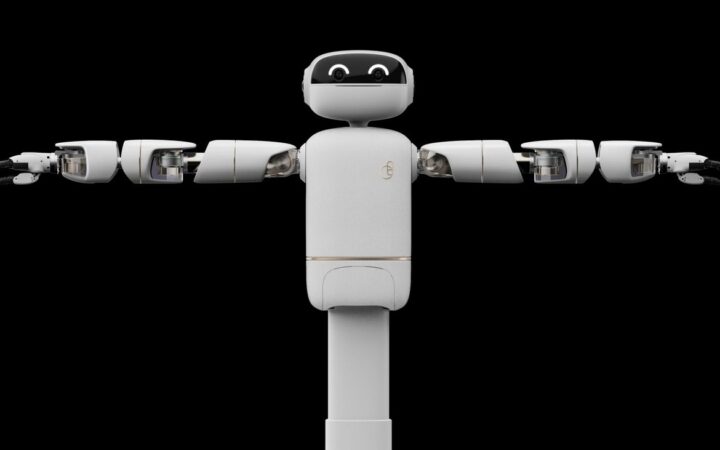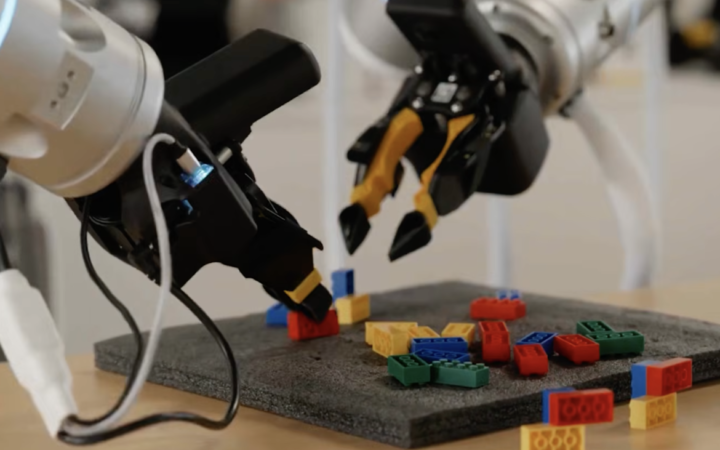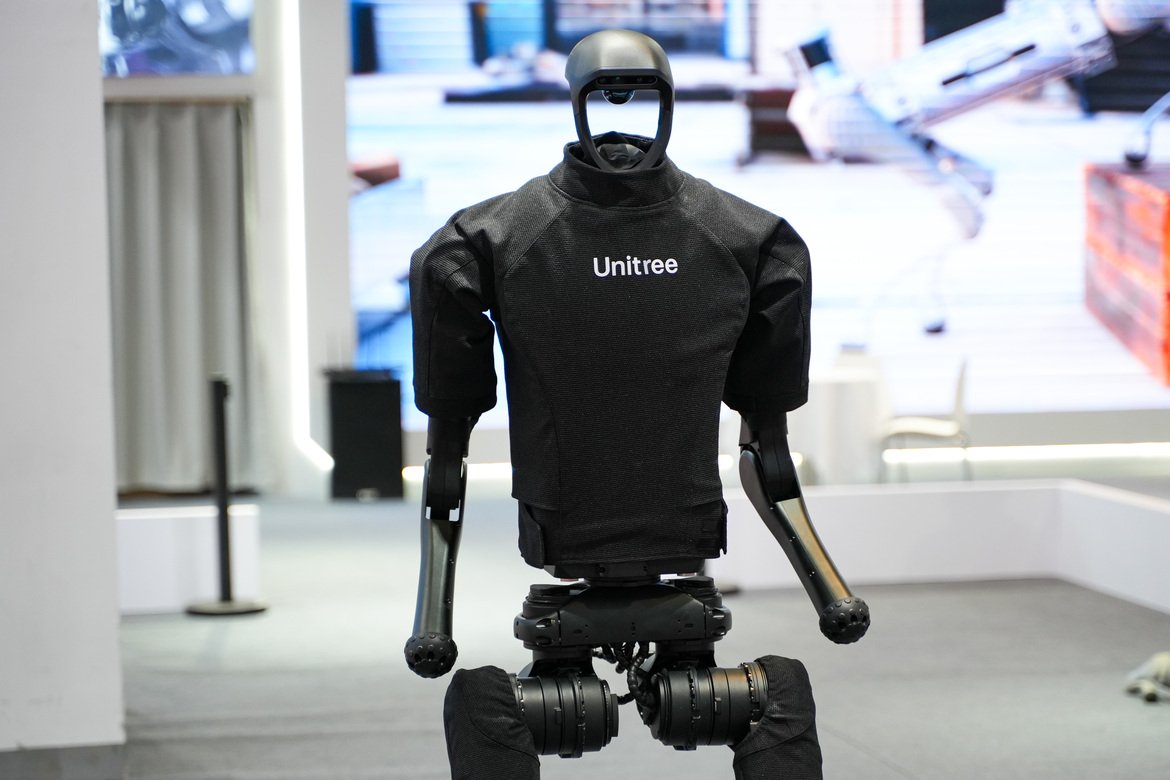

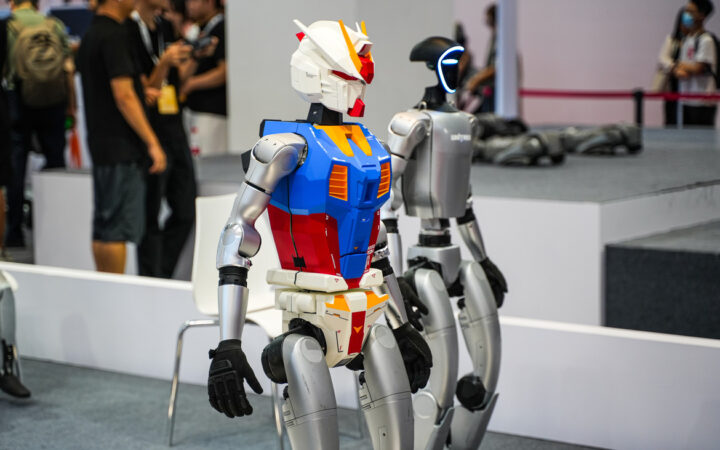
Unitree Robotics has disclosed a sharp decline in first-quarter profitability days before a critical milestone in its path to public listing. The Shanghai Stock Exchange’s listing committee is scheduled to review the company’s IPO application on June 1, according to an exchange notice issued Monday. Unitree is seeking to raise 4.2 billion yuan – approximately $619 million – to fund robot hardware development, embodied AI model research, and manufacturing capacity expansion.
The regulatory filing released late Monday, however, revealed financial results that complicate the narrative surrounding the IPO. While first-quarter revenue rose 68% year-on-year to 422.8 million yuan, adjusted net profit – excluding non-recurring items – fell more than 52% to 40.3 million yuan, down from 84.8 million yuan in the same period last year.
What Is Driving the Margin Compression
Unitree attributed the profit squeeze to a significant increase in research, development, and sales expenses – costs consistent with a company scaling aggressively ahead of a public listing. The company also cited three structural pressures: a cooling of the broader humanoid robotics hype cycle that inflated demand expectations through 2025, a higher revenue base from a strong prior year that makes year-on-year comparisons more demanding, and intensifying competition across the Chinese humanoid sector.
The divergence between revenue growth and profit decline is not unusual for a hardware company in rapid scaling mode, but the scale of the gap – 68% revenue growth alongside 53% profit compression – indicates that Unitree is absorbing cost increases faster than it is generating operating leverage. The company also flagged forward risks explicitly: if commercial adoption of general-purpose robots stalls, or if the short-term robot leasing market weakens, growth and margins could face additional pressure.
Market Response
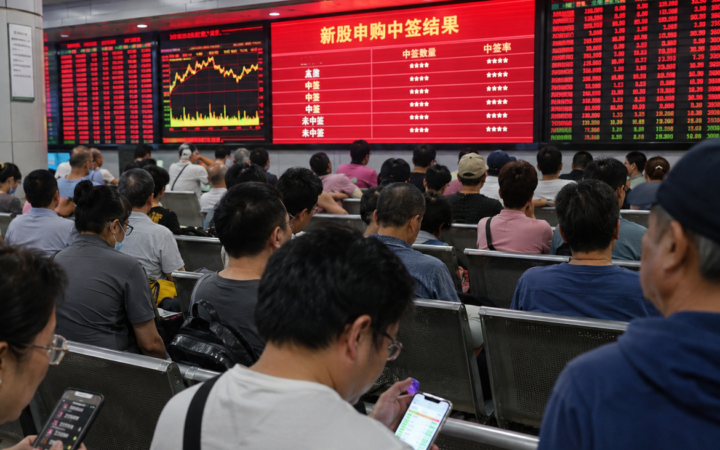
The IPO hearing announcement triggered a buying surge in mainland Chinese markets on Tuesday, as retail investors pursued listed companies with direct ties to Unitree through pre-listing shareholdings and upstream supply relationships. The market response reflects investor appetite for exposure to the humanoid robot sector regardless of near-term profitability – a dynamic familiar from earlier technology waves including EVs and AI chips.
Unitree filed for its Shanghai STAR Market IPO in March, targeting a valuation of up to $7 billion. The company shipped more than 5,100 humanoid robots in 2025, securing a 39% global humanoid market share according to Omdia – figures that establish its commercial leadership even as the profitability picture ahead of listing draws scrutiny.
The June 1 committee hearing will determine whether the IPO proceeds to the next stage. If approved, Unitree would become the first major Chinese humanoid robot company to achieve a public listing, establishing a reference valuation for a sector that has attracted billions in private capital but has yet to produce a liquid public benchmark.
Disclaimer: RobotsBeat is an independent media brand owned and operated by NuvexMedia LLC, publishing news, research, and insights on artificial intelligence, emerging technologies, automation, and related industries. NuvexMedia LLC invests in and collaborates with companies across the AI, Robotics, technology, software, and digital innovation sectors. These relationships do not influence RobotsBeat's editorial coverage, and the publication maintains full editorial independence to provide accurate, timely, and objective information. © 2026 NuvexMedia LLC. All rights reserved. This content is for informational purposes only and should not be considered legal, tax, investment, financial, or other professional advice.