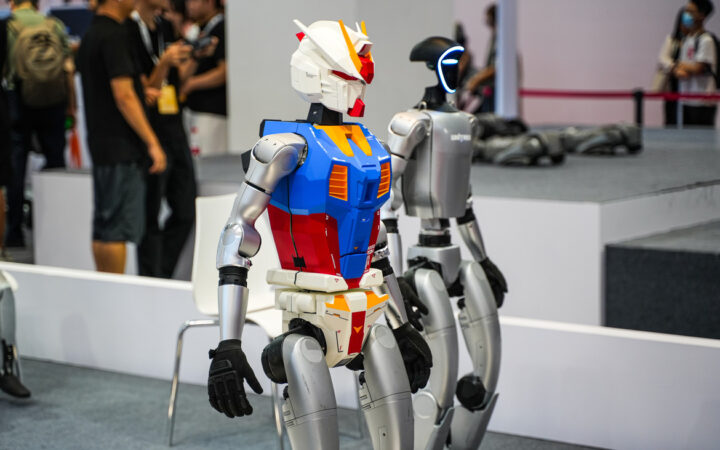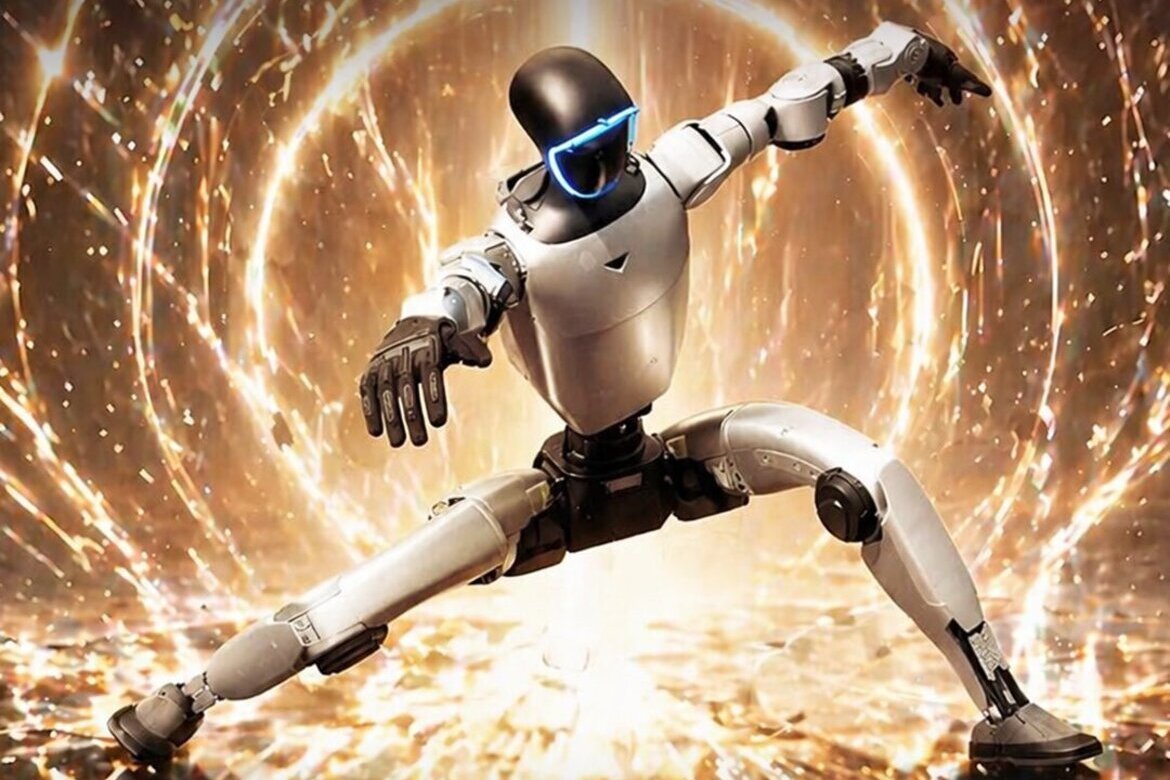


Unitree Robotics has officially launched UniStore, a task and motion application store for its robot lineup, enabling users to download and install new robot capabilities directly from a smartphone app. The platform covers Unitree’s G1 and H1 humanoid robots, the B2 quadruped, and the Go2 robot dog. The company describes it as the world’s first humanoid robot application store.
The launch introduces a consumer-facing software distribution model to humanoid robotics – one that mirrors the UX structure of smartphone app stores but applies it to physical robot behavior.
What UniStore Offers at Launch
UniStore opens with four core modules: User Square, a community and discovery layer; Motion Library, a catalog of downloadable execution actions; Dataset, a repository of robot interaction data; and Developer Center, a third-party publishing environment for developers building new motion and task packages.
The Motion Library launches with 24 available actions, currently offered on a limited-time free trial. These include Jackson-style dance moves, Charleston, jump-dancing, cheering sequences, Mantis Boxing, and a category the company describes as meme or “整活” actions – playful, culturally referential motion packages designed for entertainment and social sharing. Users install packages directly from the phone app with a single tap.
The Platform and Ecosystem Strategy
The Developer Center is the structurally significant component. By opening a publishing pathway for third-party developers, Unitree is building the infrastructure for an external ecosystem to grow around its hardware – a model that has proven durable in smartphones, gaming consoles, and enterprise software, but has not previously been applied to consumer and prosumer robotics at this scale.
The implication is a platform dynamic: as Unitree’s installed base of G1, H1, B2, and Go2 units grows, the addressable audience for third-party developers increases, which attracts more developers, which increases the platform’s value to hardware buyers. The Motion Library at launch is primarily entertainment-oriented, but the Developer Center is designed to support the full range of task and motion packages a developer might build – including functional applications for logistics, inspection, and service environments as the hardware deployment base matures.
The launch positions Unitree in contrast to proprietary robotics platforms where capabilities are controlled by the manufacturer. It also arrives as Unitree is preparing for a Shanghai IPO targeting a valuation of up to $7 billion, filed in March, making the ecosystem announcement a relevant signal to potential investors about the company’s platform ambitions beyond hardware sales.
Disclaimer: RobotsBeat is an independent media brand owned and operated by NuvexMedia LLC, publishing news, research, and insights on artificial intelligence, emerging technologies, automation, and related industries. NuvexMedia LLC invests in and collaborates with companies across the AI, Robotics, technology, software, and digital innovation sectors. These relationships do not influence RobotsBeat's editorial coverage, and the publication maintains full editorial independence to provide accurate, timely, and objective information. © 2026 NuvexMedia LLC. All rights reserved. This content is for informational purposes only and should not be considered legal, tax, investment, financial, or other professional advice.