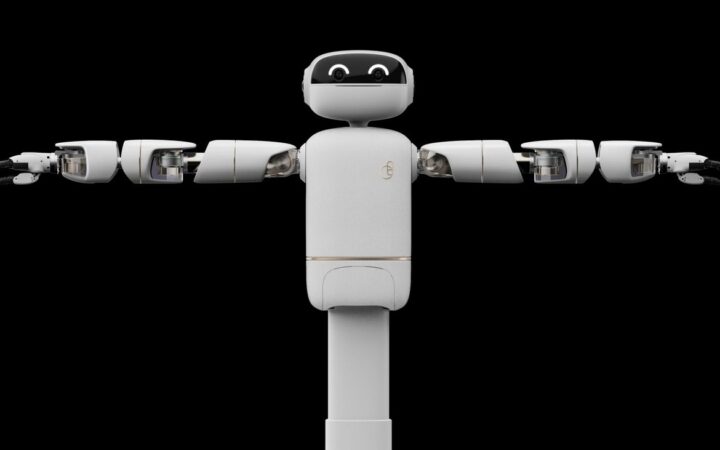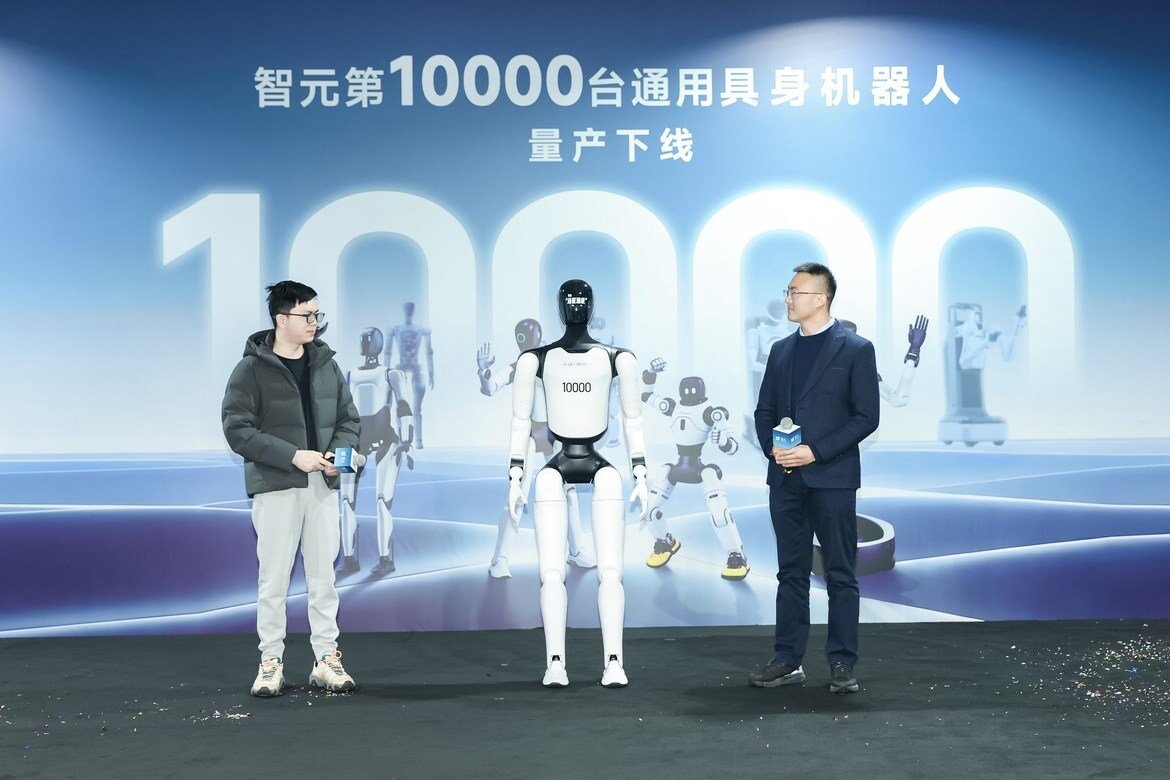

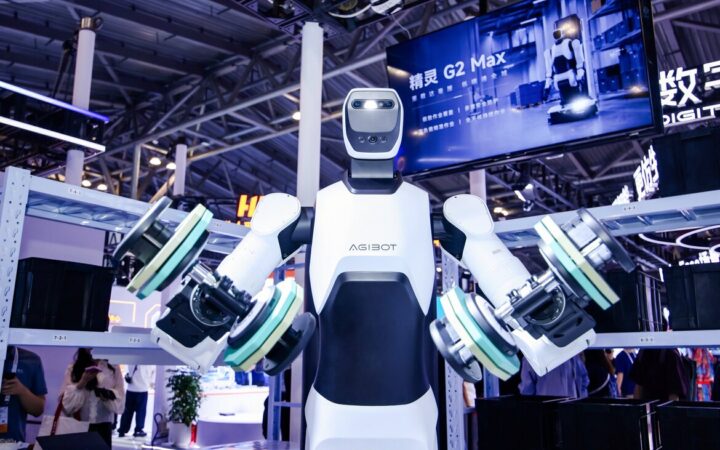
Agibot has reached a milestone of 10,000 humanoid robots produced, a figure that underscores how quickly the robotics industry is moving from experimentation to scaled deployment.
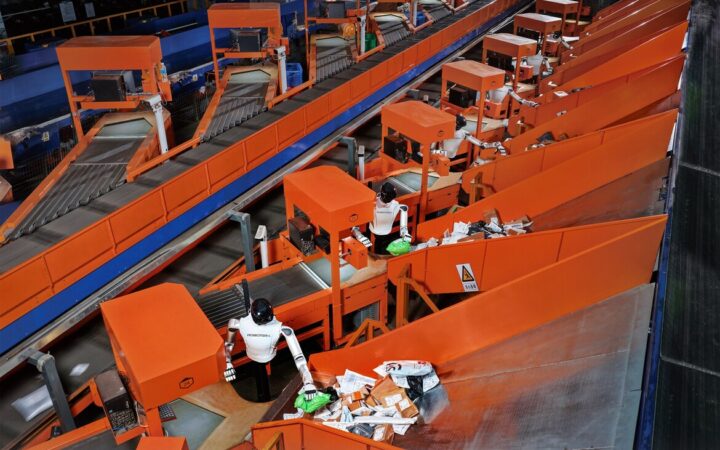
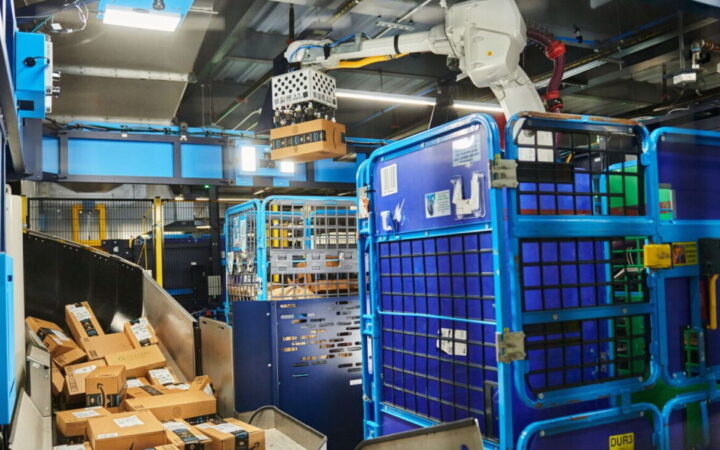
The company, which focuses on embodied AI systems, said a large portion of these robots are already operating in real-world environments across sectors such as logistics, retail, hospitality and manufacturing.
The milestone is notable not simply for its size, but for what it represents: a shift in robotics from technical feasibility to industrial-scale production and deployment.
From Prototypes to Production Lines
Agibot’s production trajectory reflects the rapid acceleration underway in humanoid robotics.
The company took nearly two years to build its first 1,000 units, followed by about a year to scale to 5,000. The jump from 5,000 to 10,000 units, however, was completed in just three months – a sharp increase in manufacturing speed driven by improvements in supply chains and production processes.
This kind of acceleration is unusual in hardware-heavy industries, where scaling production often takes years. It suggests that key bottlenecks in robotics manufacturing – including component sourcing, assembly and system integration – are beginning to ease.
For robotics companies, reaching this level of output is a critical step toward lowering costs and enabling broader adoption.
Real-World Deployment Drives Growth
Unlike earlier phases of robotics development, where systems were largely confined to demonstrations or pilot projects, Agibot’s robots are now being deployed at scale.
The machines are being used in environments ranging from showroom assistance and retail service to industrial production lines. Their presence in manufacturing workflows indicates that humanoid robots are beginning to move into roles traditionally occupied by fixed automation systems or human workers.
The company also reports growing international demand, with deployments expanding beyond China into markets across Europe, North America and Asia.
This global footprint suggests that demand for embodied AI systems is not limited to a single region but reflects a broader shift in how industries approach automation.
Scaling Data, Not Just Hardware
As more robots are deployed, the focus is increasingly shifting from hardware to data.
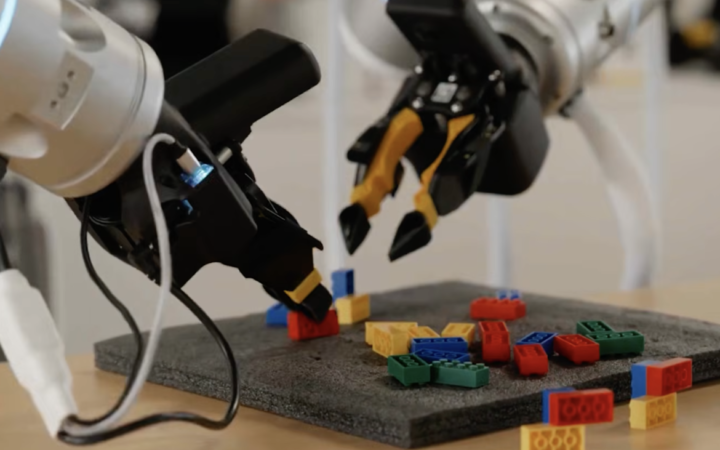
Thousands of machines operating in real-world environments generate continuous streams of operational data, which can be used to improve performance, refine control systems and expand capabilities.
At scale, this creates a feedback loop: more deployments produce more data, which improves the system, making further deployments more effective.
This dynamic is similar to what has driven progress in software-based AI, but applied to physical systems.
For Agibot and its competitors, the challenge is no longer proving that humanoid robots can work, but ensuring they can operate reliably, efficiently and safely at scale.
The company’s milestone suggests that the robotics industry may be entering a phase where growth is driven less by individual breakthroughs and more by the ability to manufacture, deploy and continuously improve systems in real-world conditions.
Disclaimer: RobotsBeat is an independent media brand owned and operated by NuvexMedia LLC, publishing news, research, and insights on artificial intelligence, emerging technologies, automation, and related industries. NuvexMedia LLC invests in and collaborates with companies across the AI, Robotics, technology, software, and digital innovation sectors. These relationships do not influence RobotsBeat's editorial coverage, and the publication maintains full editorial independence to provide accurate, timely, and objective information. © 2026 NuvexMedia LLC. All rights reserved. This content is for informational purposes only and should not be considered legal, tax, investment, financial, or other professional advice.