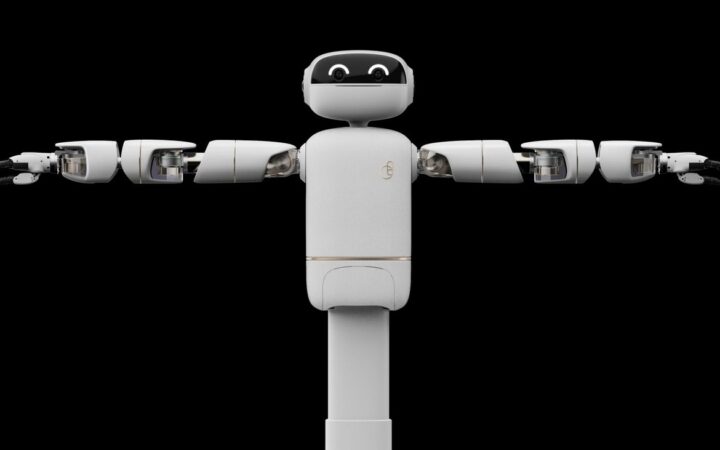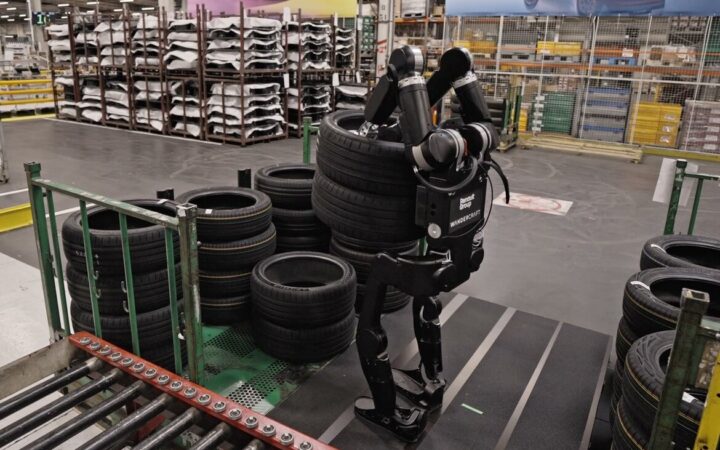
China has begun testing a digital identification system for humanoid robots, with the first units receiving official ID numbers in Hubei Province. The system is being developed by the Innovation Center for Humanoid Robotics in Wuhan and assigns each robot a unique digital code containing the manufacturer, model, serial number, configuration, and level of autonomy. The pilot effectively creates a passport-equivalent record for individual machines and is positioned as an early step toward a national framework for tracking humanoid systems.
The identification code links to a unified digital registry that tracks each robot across its full lifecycle. The electronic profile stores maintenance history, repair records, usage scenarios, and current operational condition, and is expected to support near real-time monitoring of parameters such as battery health, mechanical wear, and movement precision. Chinese authorities have positioned the system as a tool to simplify maintenance, accelerate fault diagnosis, and provide a clearer evidentiary basis for determining liability in cases of accidents or technical failures.
A secondary objective is to enable a structured resale market for humanoid robots. Prospective buyers would be able to review a unit’s full operational history, inspection records, and condition, in a manner comparable to how used vehicles are assessed. Several manufacturers have already tested the coding system, with a broader nationwide rollout expected after official standards are approved. Initial implementation is targeted at humanoid robots deployed in industry, services, and education.
The initiative reflects China’s broader effort to formalize governance frameworks for humanoid robotics as deployment volumes grow, rather than leaving identification, liability, and lifecycle data to individual manufacturers or operators. Industry observers cited in Chinese media have suggested the system could evolve into a foundation for “robot governance”, in which AI-driven machines are tracked and regulated within smart city ecosystems. Practical impact will depend on whether the standards are mandatory, how cross-manufacturer interoperability is enforced, and whether the registry data is made accessible to insurers, regulators, and secondary market participants.
Disclaimer: RobotsBeat is an independent media brand owned and operated by NuvexMedia LLC, publishing news, research, and insights on artificial intelligence, emerging technologies, automation, and related industries. NuvexMedia LLC invests in and collaborates with companies across the AI, Robotics, technology, software, and digital innovation sectors. These relationships do not influence RobotsBeat's editorial coverage, and the publication maintains full editorial independence to provide accurate, timely, and objective information. © 2026 NuvexMedia LLC. All rights reserved. This content is for informational purposes only and should not be considered legal, tax, investment, financial, or other professional advice.