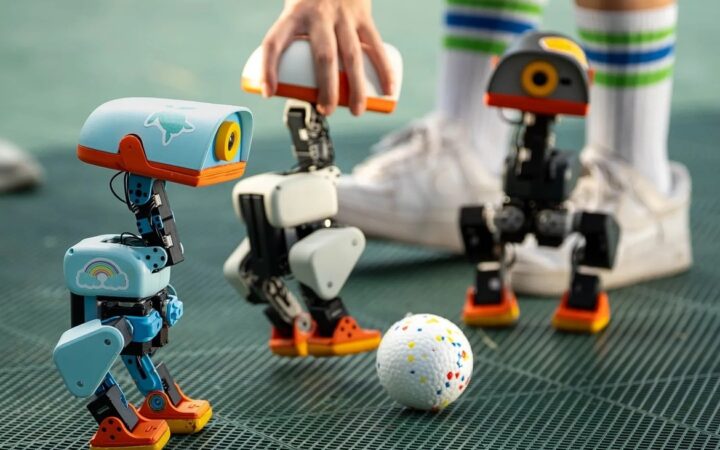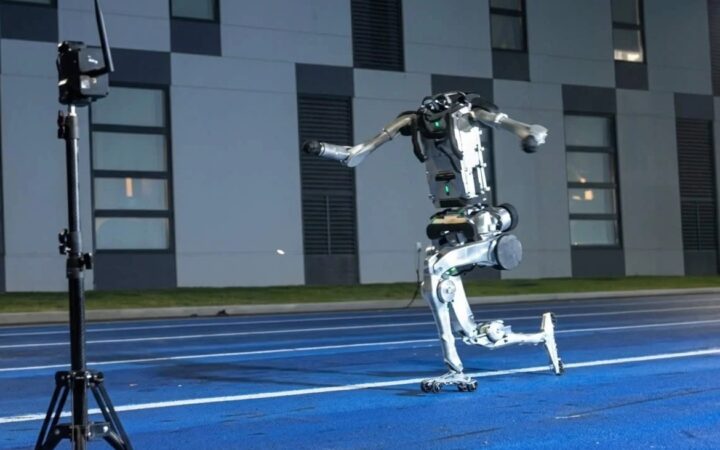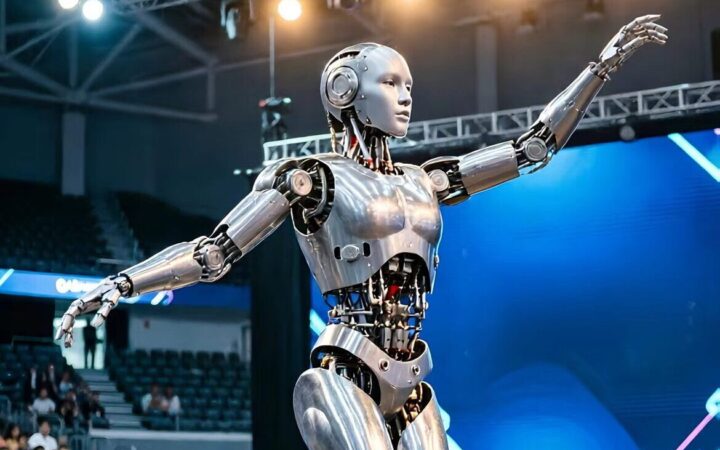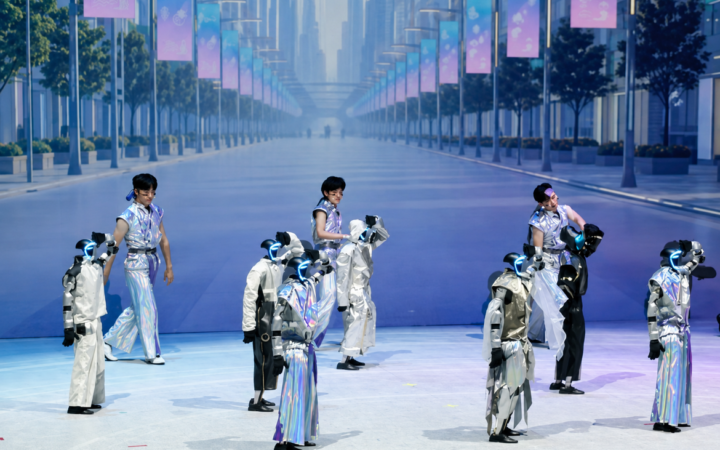
Computex Taipei has introduced a dedicated AI robotics section for the first time at its 2026 edition, running through June 5 at Taipei Nangang Exhibition Center. The show is expected to attract approximately 1,500 exhibitors across sections covering AI computing, robotics, displays, next-generation communications, future mobility, and green energy. The addition of an AI robotics track reflects the sector’s emergence as a hardware-adjacent growth category that Computex’s traditional computing and semiconductor audience is increasingly invested in.
Taiwan External Trade Development Council Chair James Huang said the section will showcase innovations from both domestic and international robotics makers and their applications in physical AI – systems that integrate vision-language models and real-world data to enable autonomous robot operation without traditional programming.
E Ink and the Robot Interface Layer
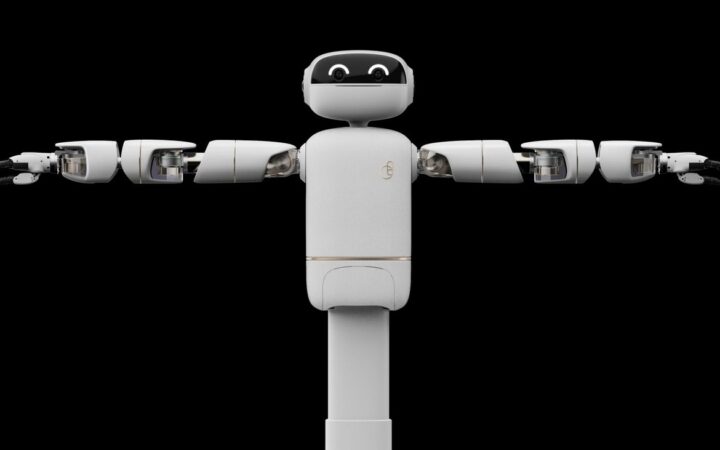
E Ink, the e-paper display supplier, is using Computex to highlight two robotics-adjacent applications. The company has joined the supply chain of U.S. humanoid robotics startup Apptronik, integrating e-paper into robot faces as an interface for human-robot interaction. It also plans to apply e-paper technology to robot skin to display battery levels and sensor data – a low-power approach to robot status communication that aligns with edge computing energy constraints.
E Ink noted that edge computing is power-intensive, and its ability to retain images without continuous power consumption can conserve energy for AI processing tasks – a relevant engineering consideration as humanoid robots balance computational load with battery endurance.
Hiwin and Dexterity’s Logistics Arm
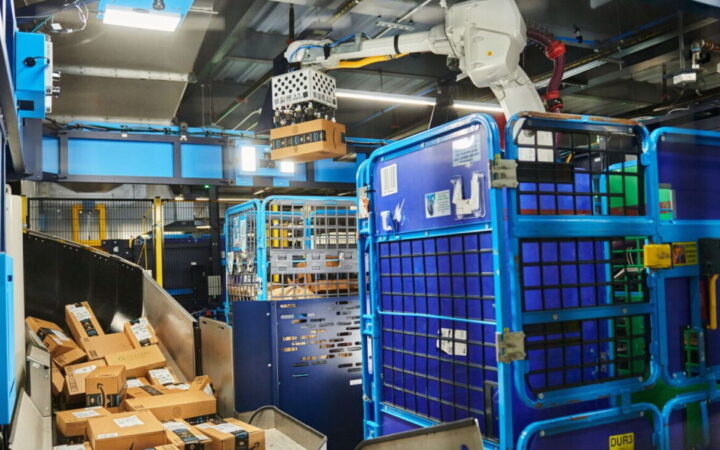
Hiwin Technologies is unveiling a robotic arm developed in collaboration with U.S. robot maker Dexterity, targeting logistics and warehousing applications. The arm features eight joints capable of rotation and linear movement, enabling it to handle parcels of varying sizes – the kind of dimensional variability that makes logistics manipulation challenging for conventional fixed automation.
Intel’s Edge AI Platform for Robotics
Intel is presenting its Core Ultra Series 3 platform at Computex as an on-device AI computing solution for robotic edge applications. The platform is designed to enable faster and more reliable command execution in robots without cloud dependency. Intel is also establishing a robotics and edge computing zone at the expo with 12 partners, showcasing smart manufacturing and smart living applications.
Taiwan’s Position in the Physical AI Supply Chain
The Computex AI robotics section reflects Taiwan’s strategic position across the physical AI hardware stack – from semiconductors and edge compute modules to display technologies and precision components. As humanoid robot manufacturers globally scale production, the Taiwanese supply chain that underpins much of the global electronics industry is increasingly relevant to robotics hardware at every layer. Computex’s decision to formalize a robotics track signals that the island’s technology industry views physical AI as a structural growth category rather than a peripheral exhibition theme.
Disclaimer: RobotsBeat is an independent media brand owned and operated by NuvexMedia LLC, publishing news, research, and insights on artificial intelligence, emerging technologies, automation, and related industries. NuvexMedia LLC invests in and collaborates with companies across the AI, Robotics, technology, software, and digital innovation sectors. These relationships do not influence RobotsBeat's editorial coverage, and the publication maintains full editorial independence to provide accurate, timely, and objective information. © 2026 NuvexMedia LLC. All rights reserved. This content is for informational purposes only and should not be considered legal, tax, investment, financial, or other professional advice.